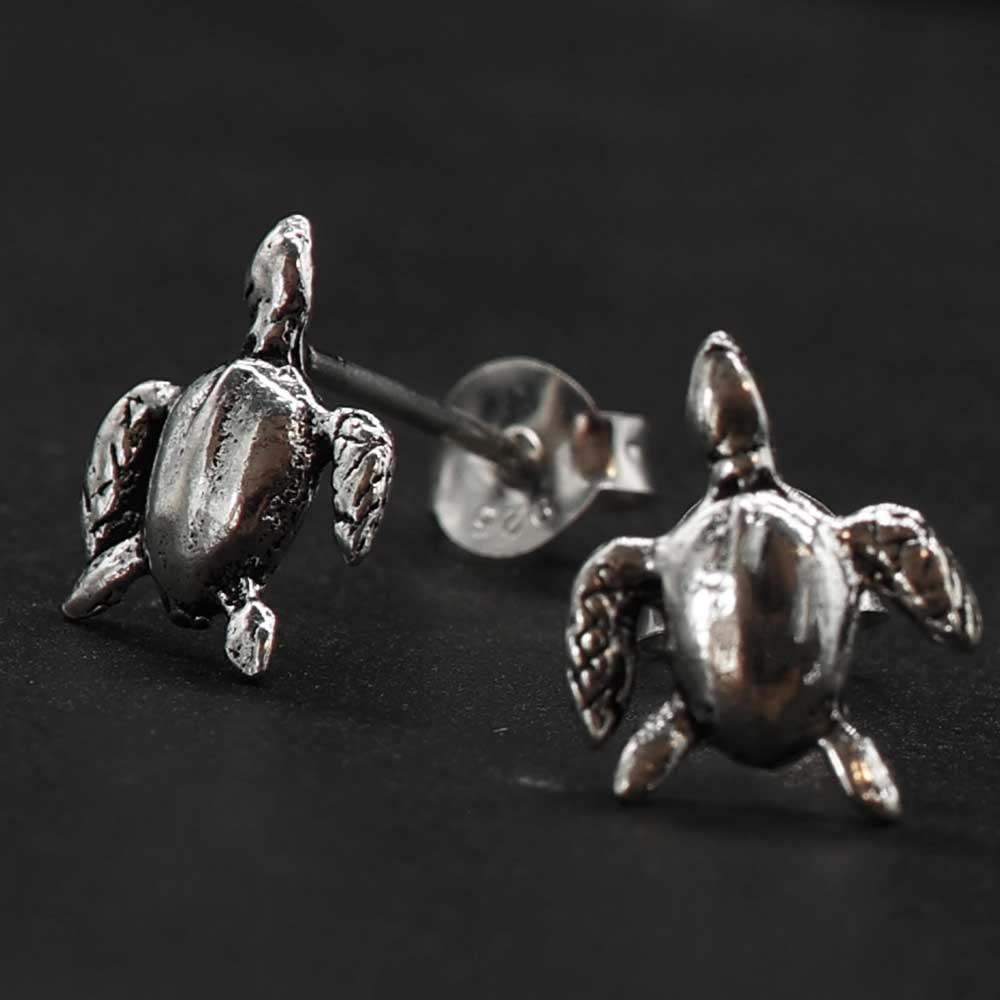
Earrings through the ages
People have been wearing earrings for centuries. In many cultures, they were worn by both women and men.
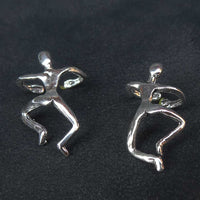
It can be worn either in a hole in the ear or attached to the earlobe with a clip.
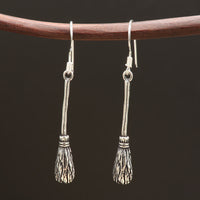
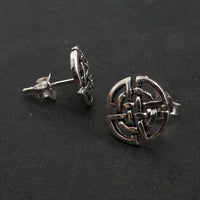
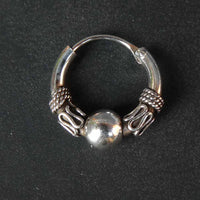
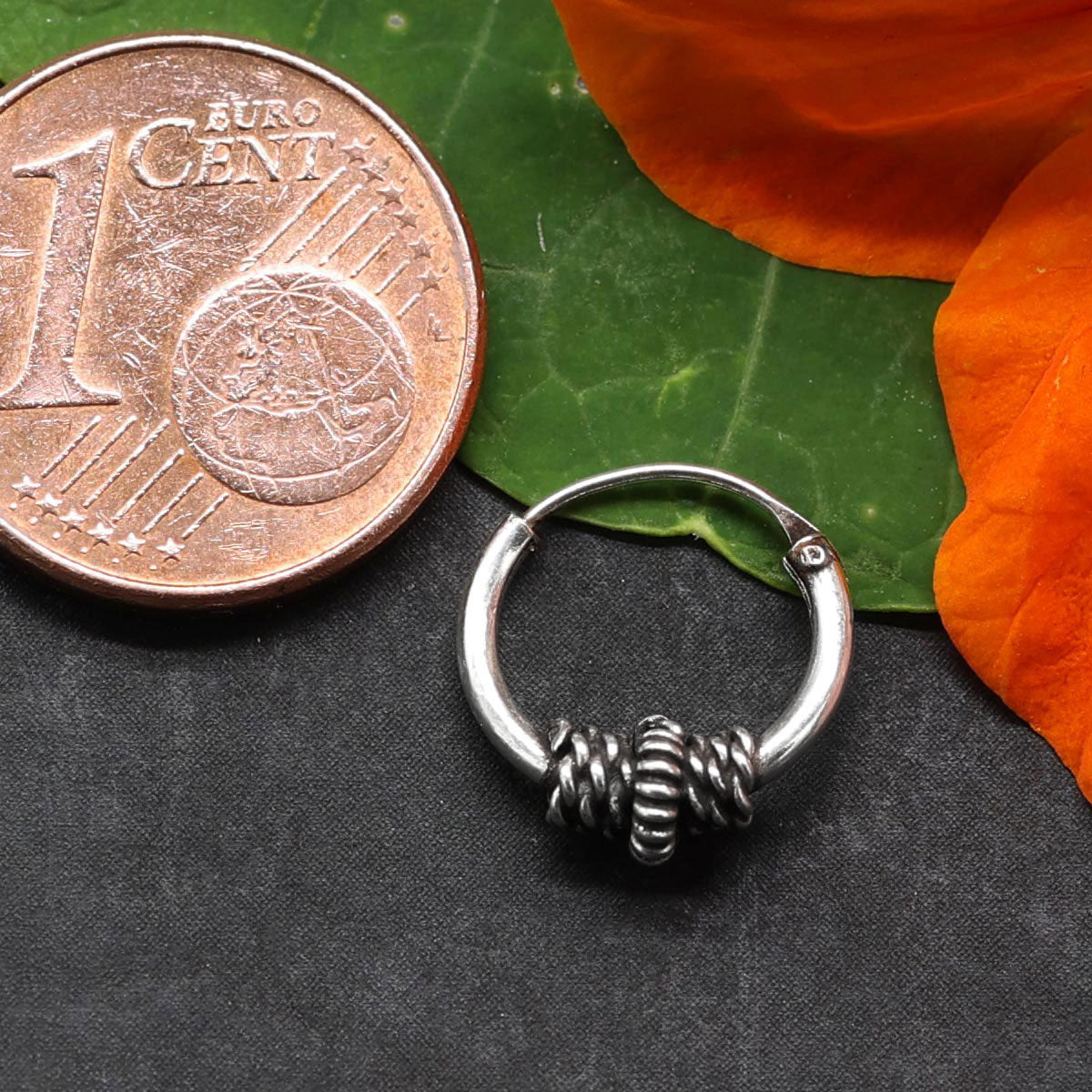
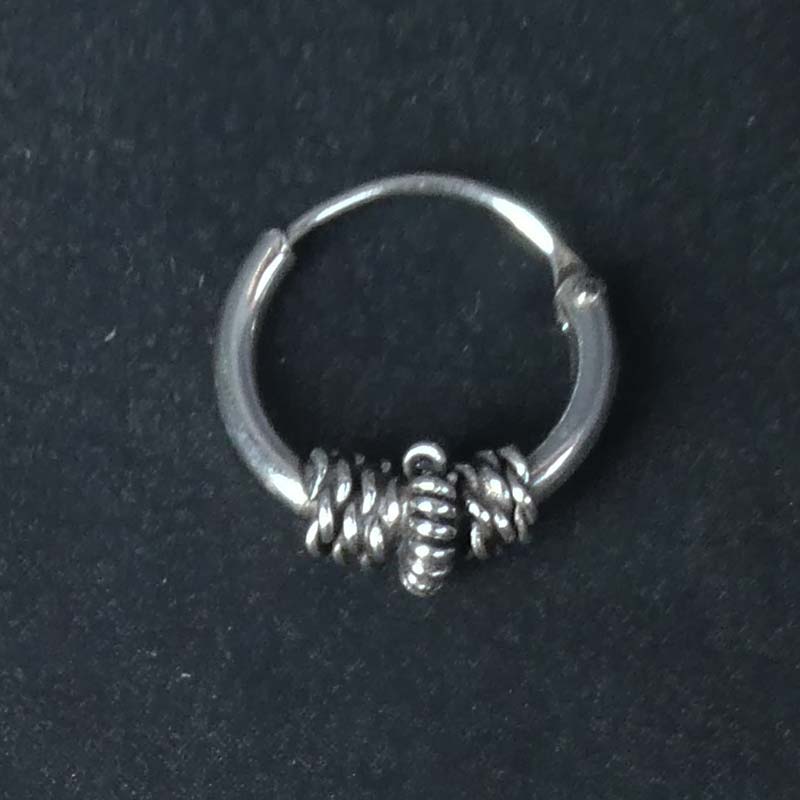
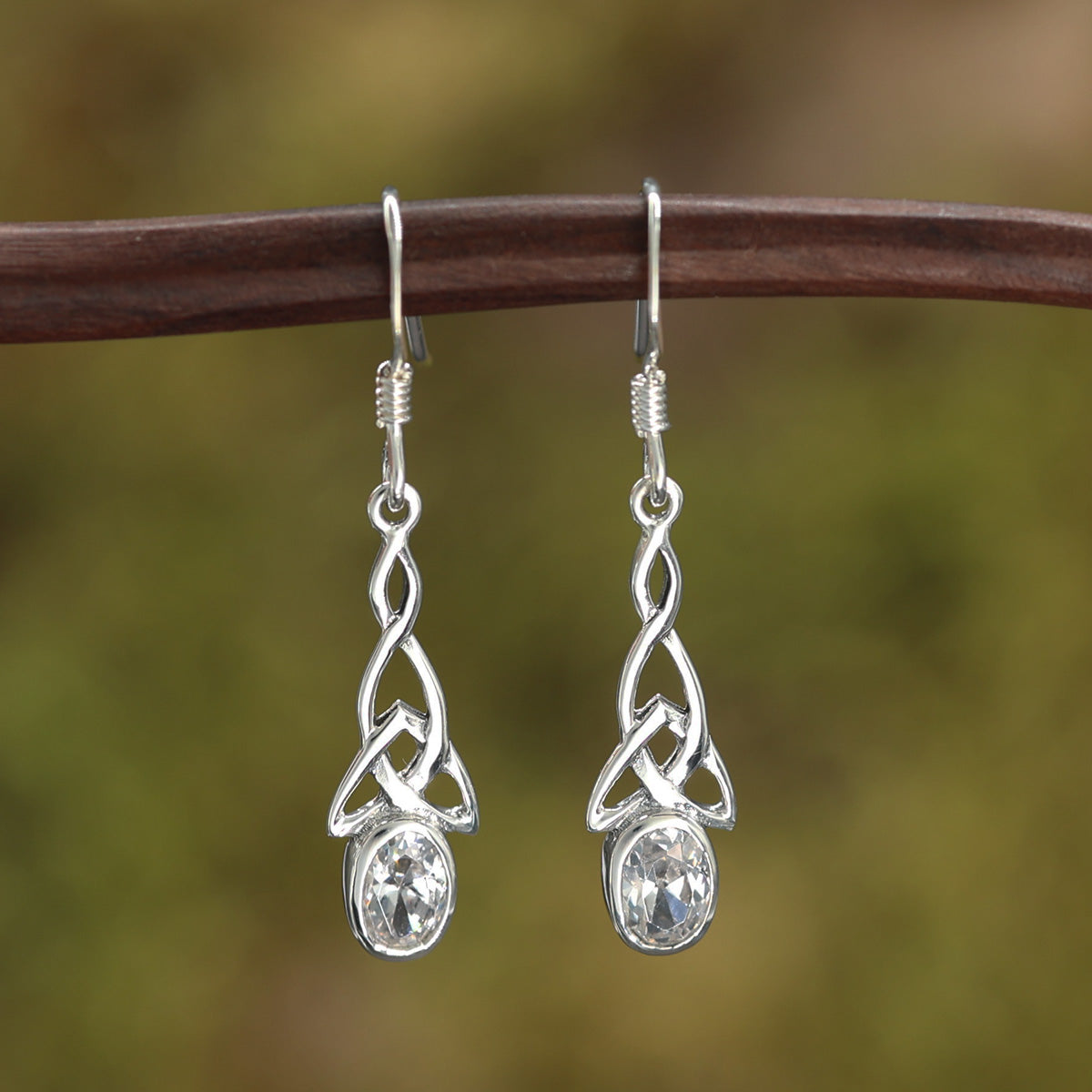
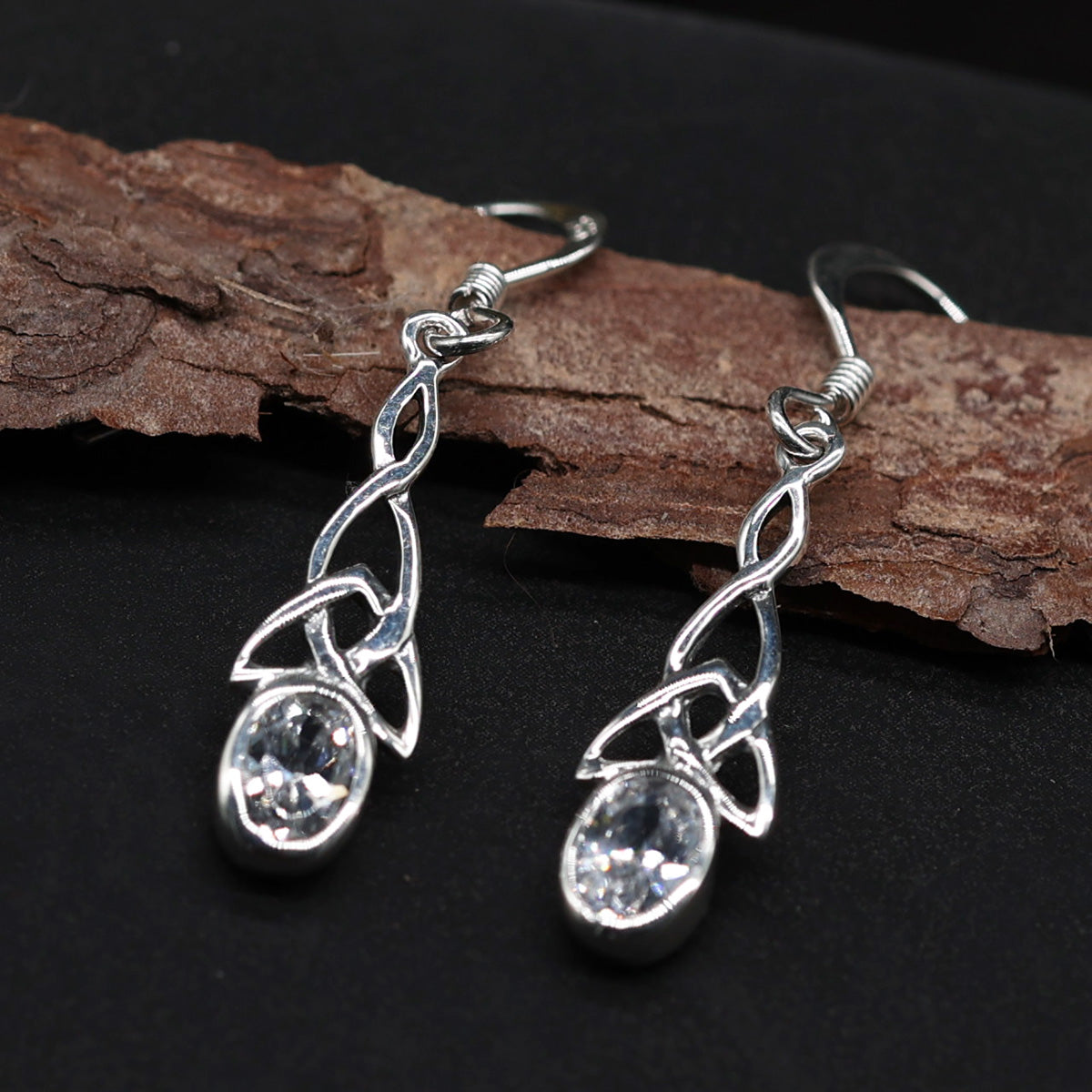
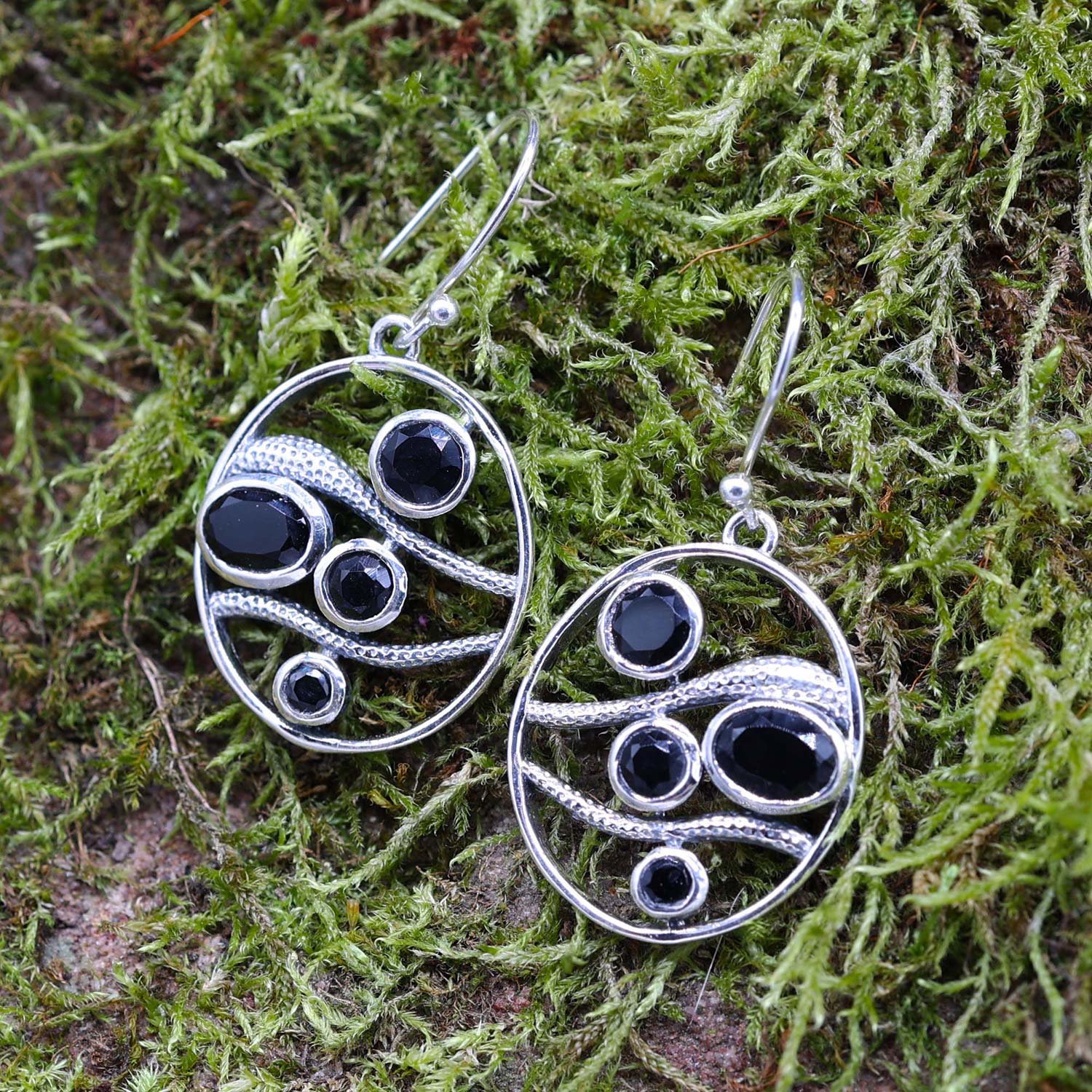
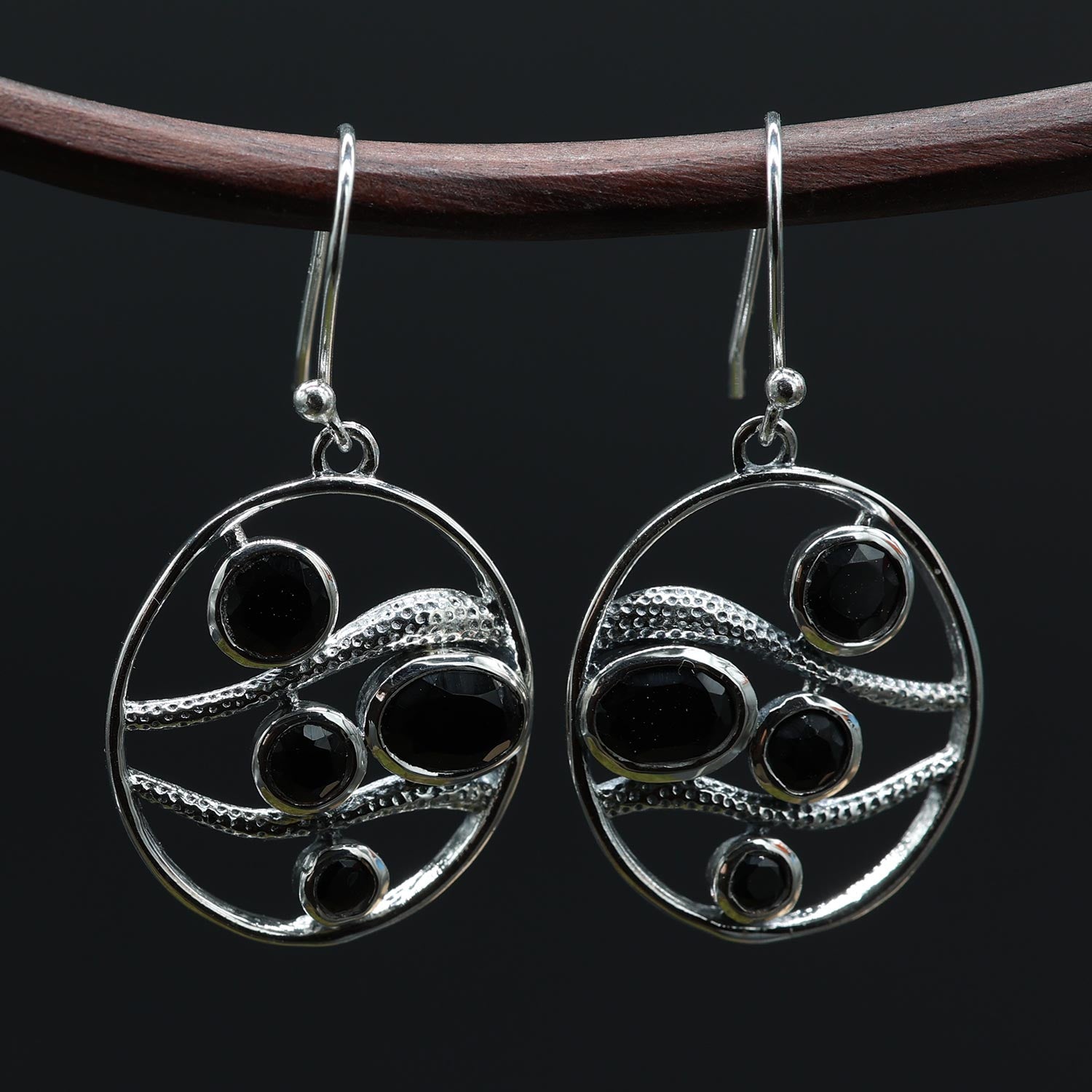
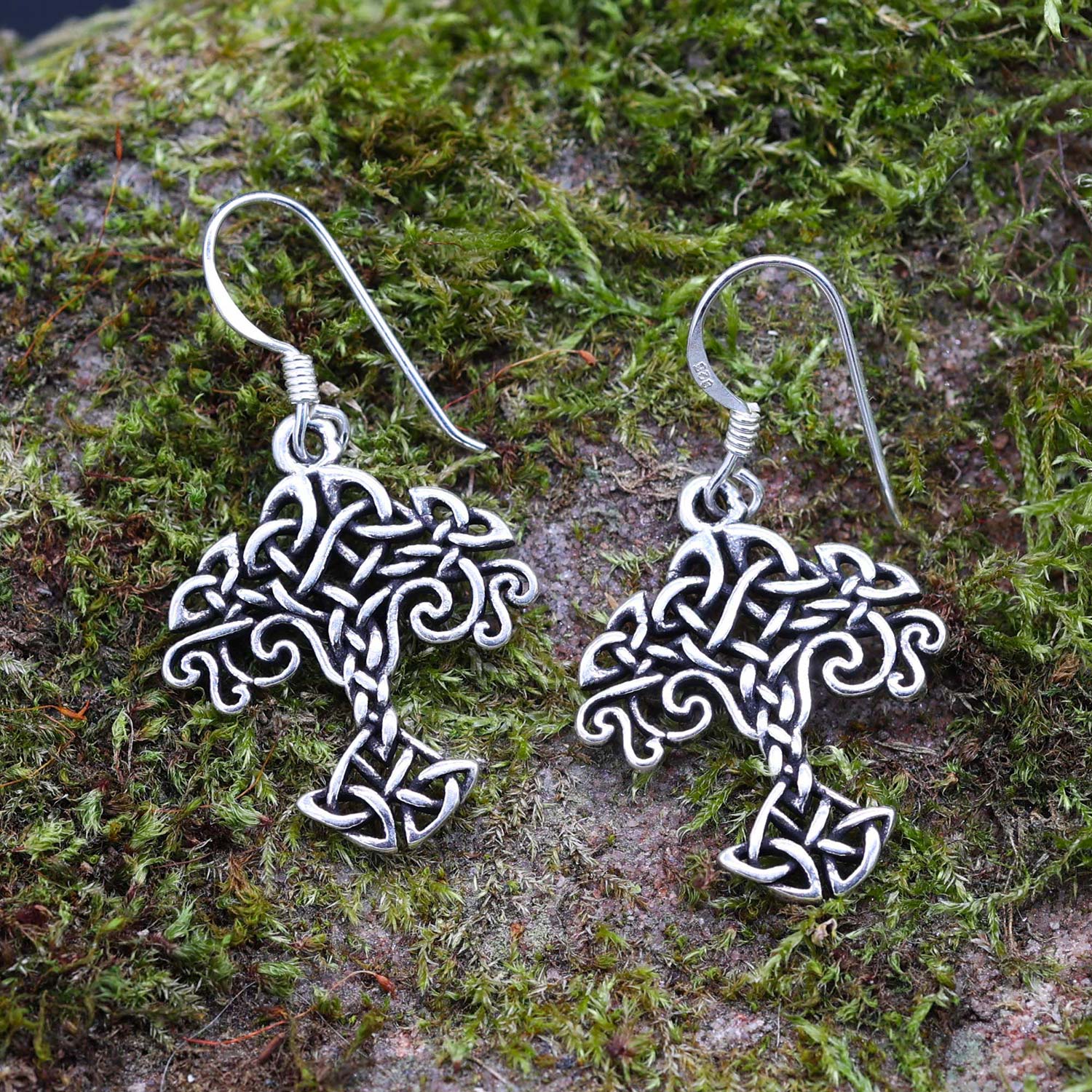
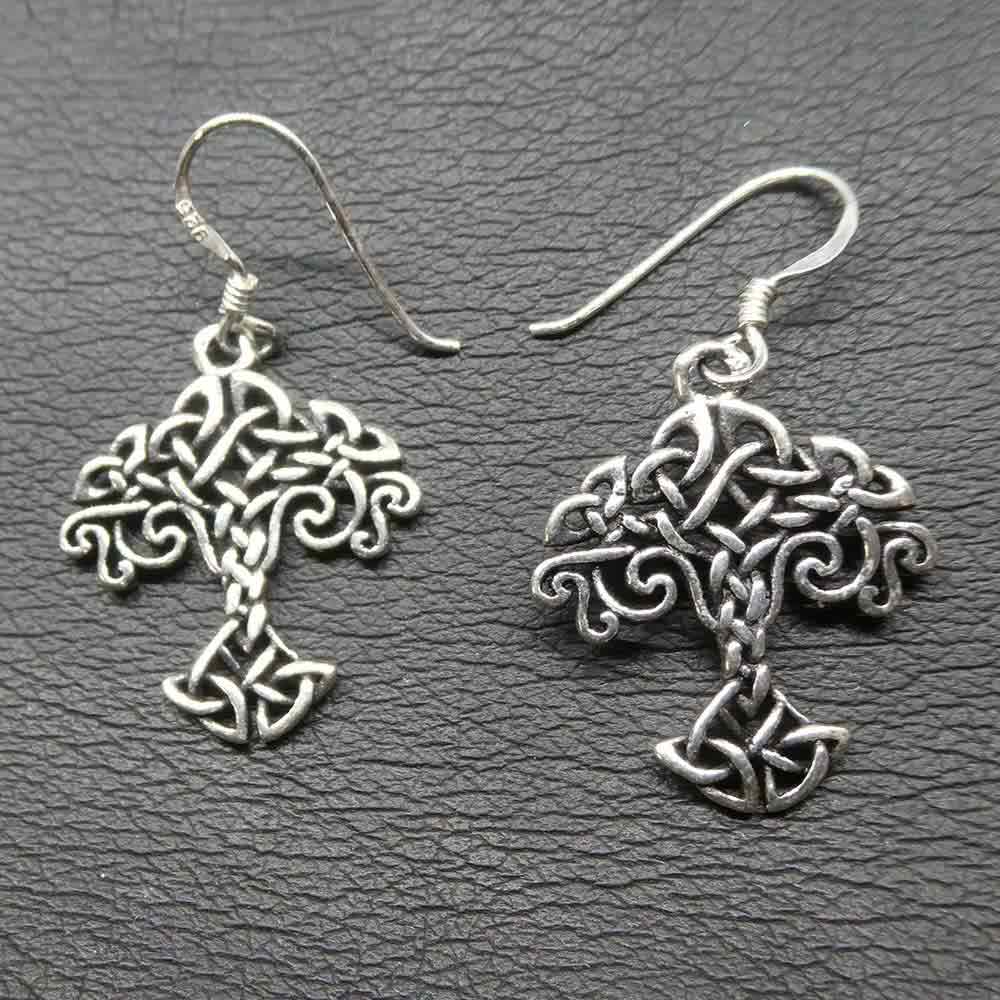
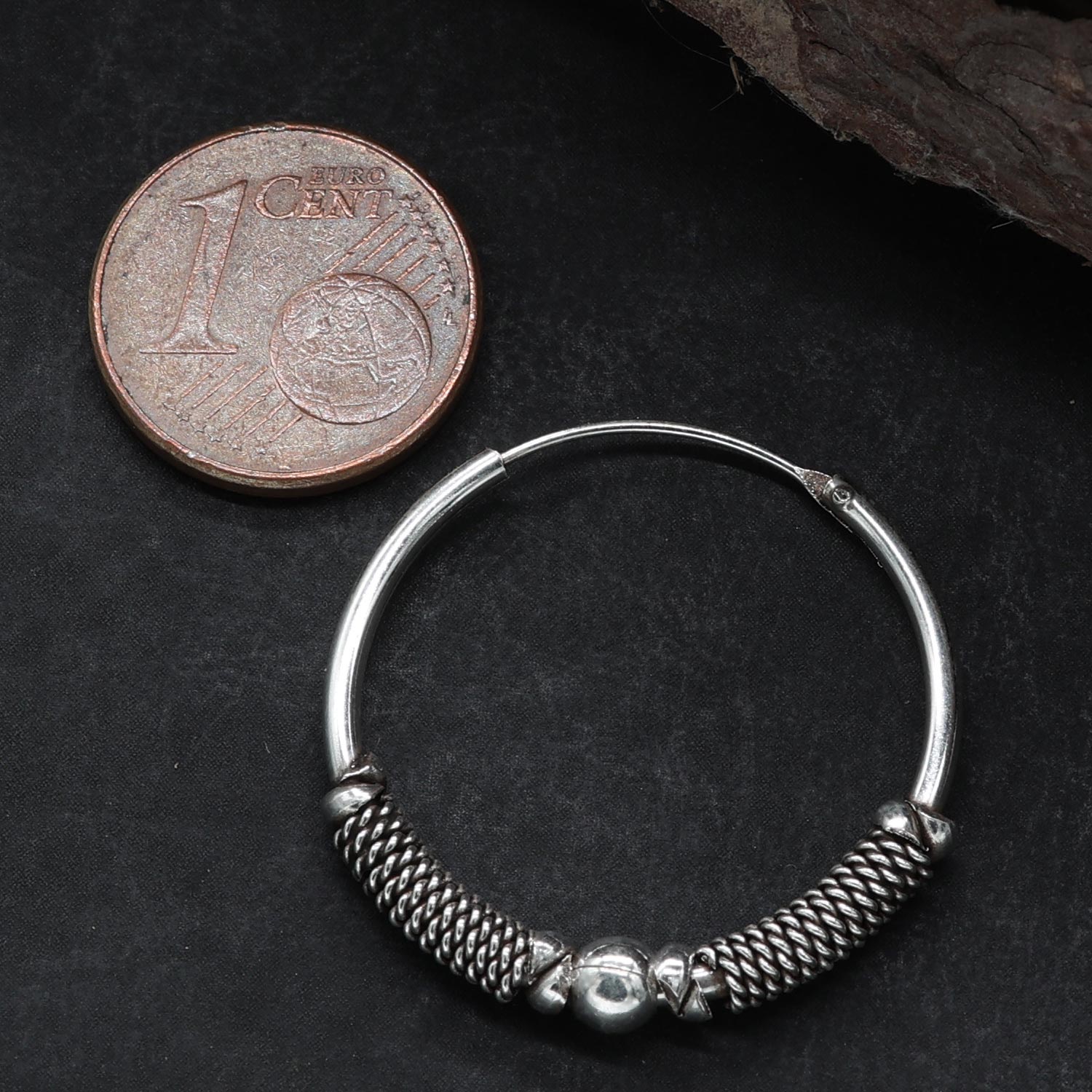
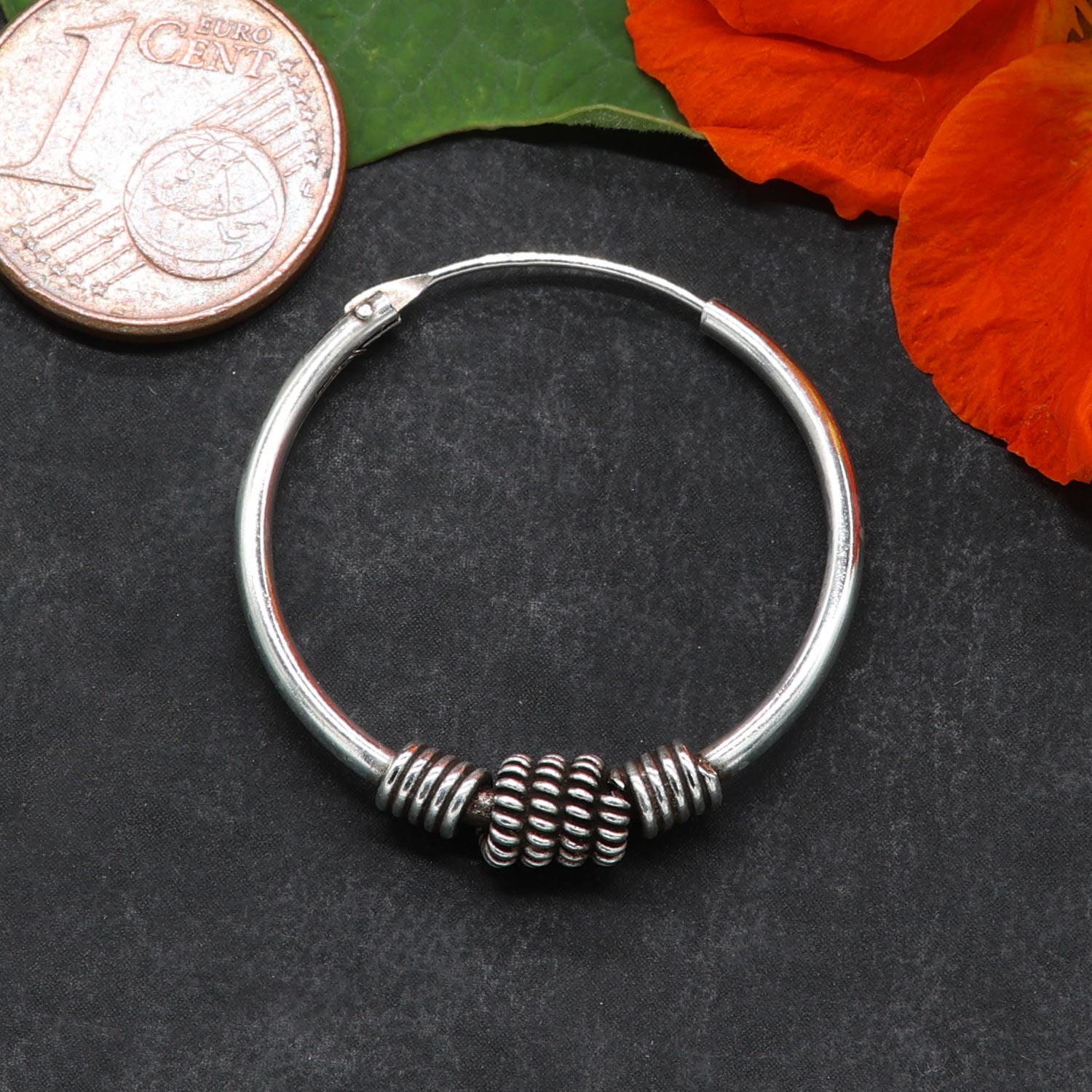
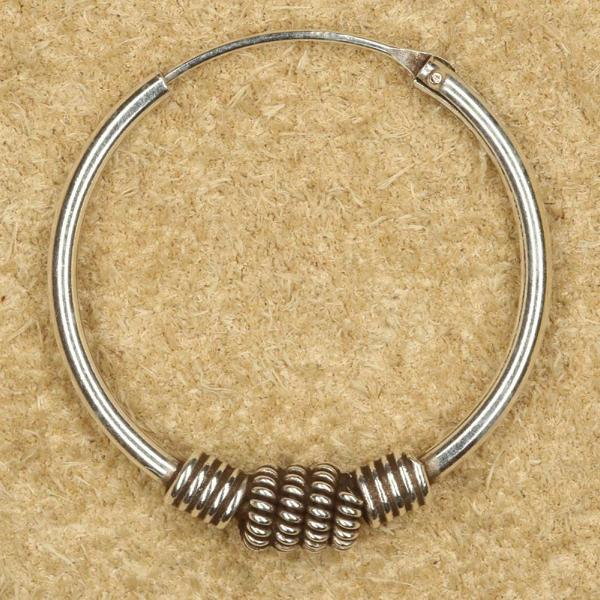
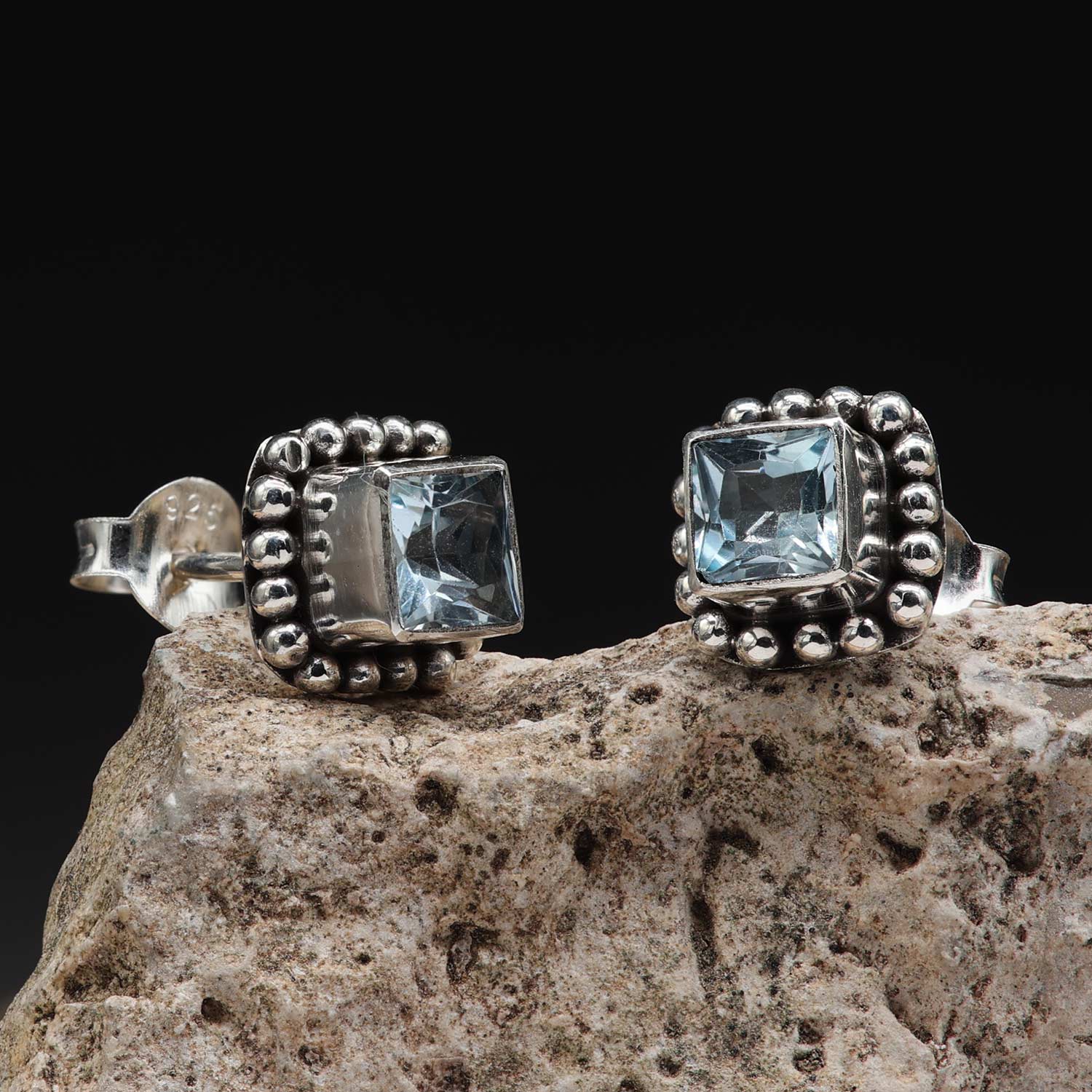
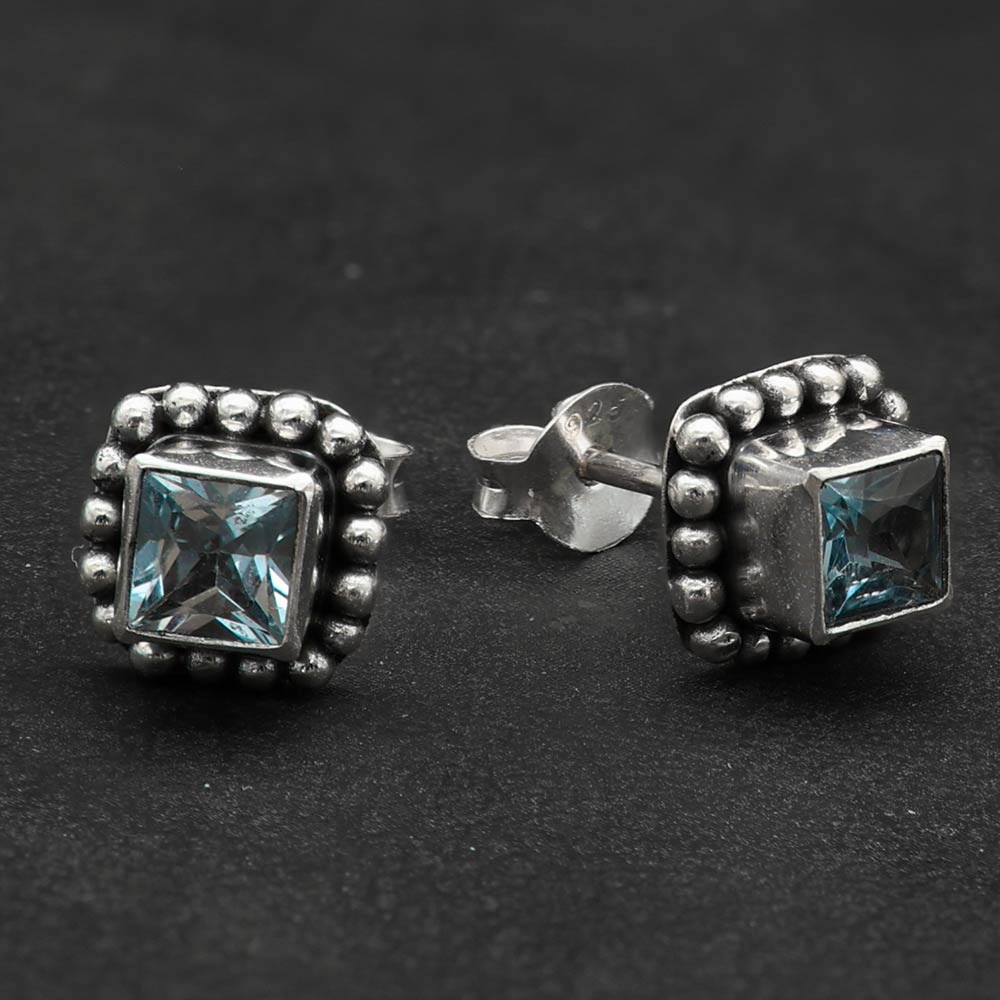
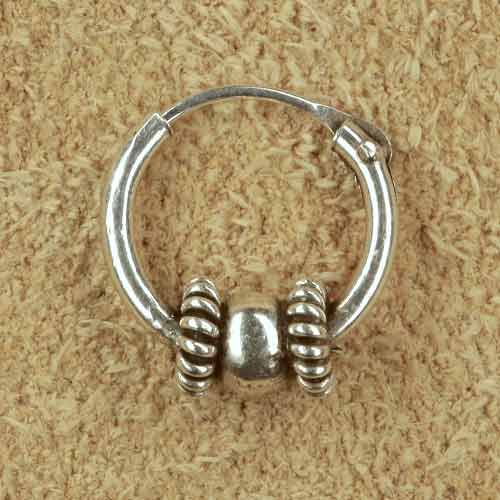
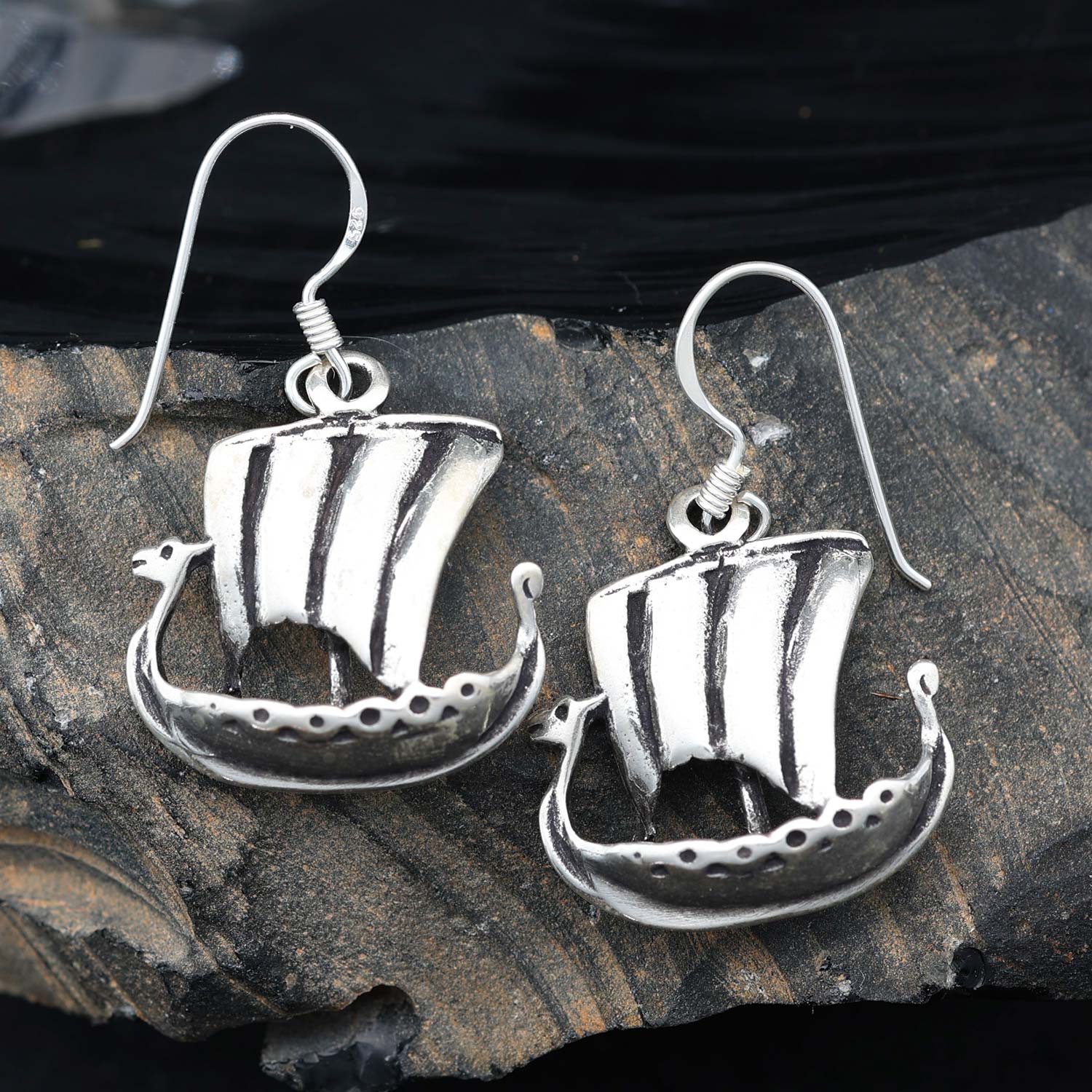
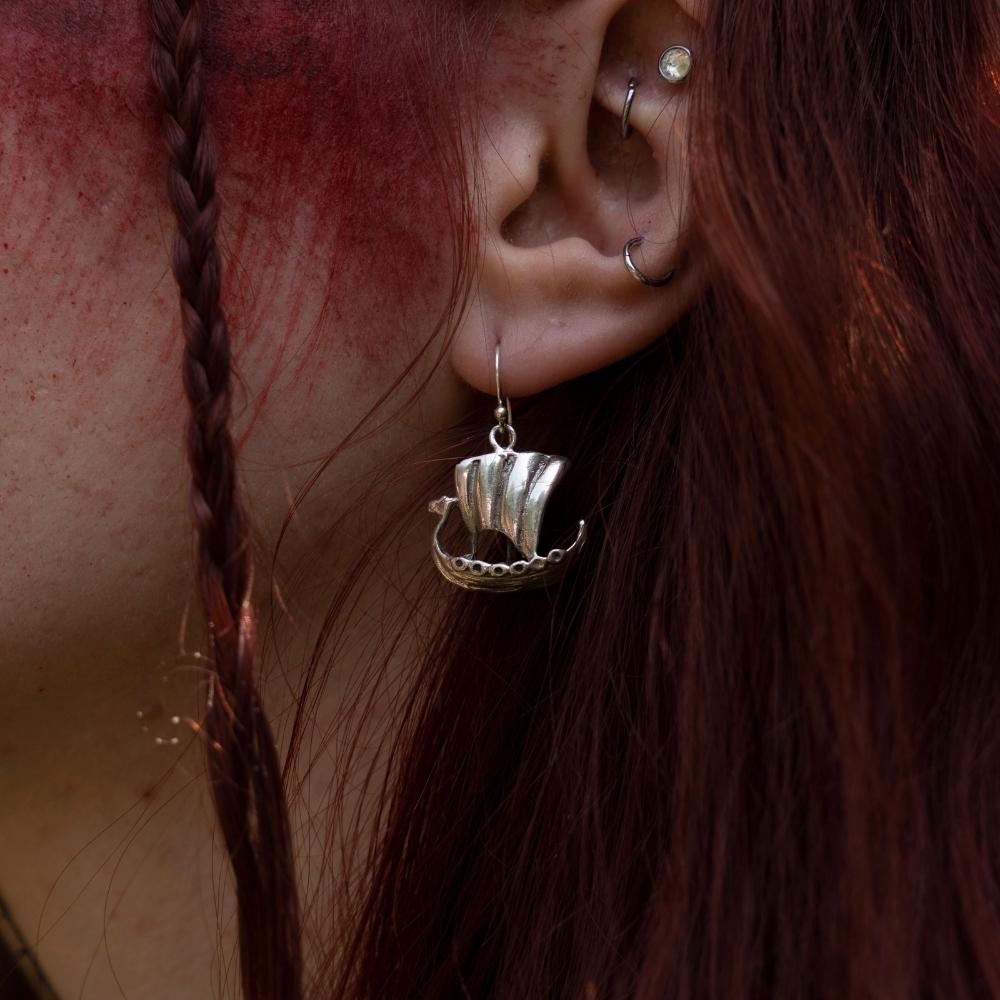
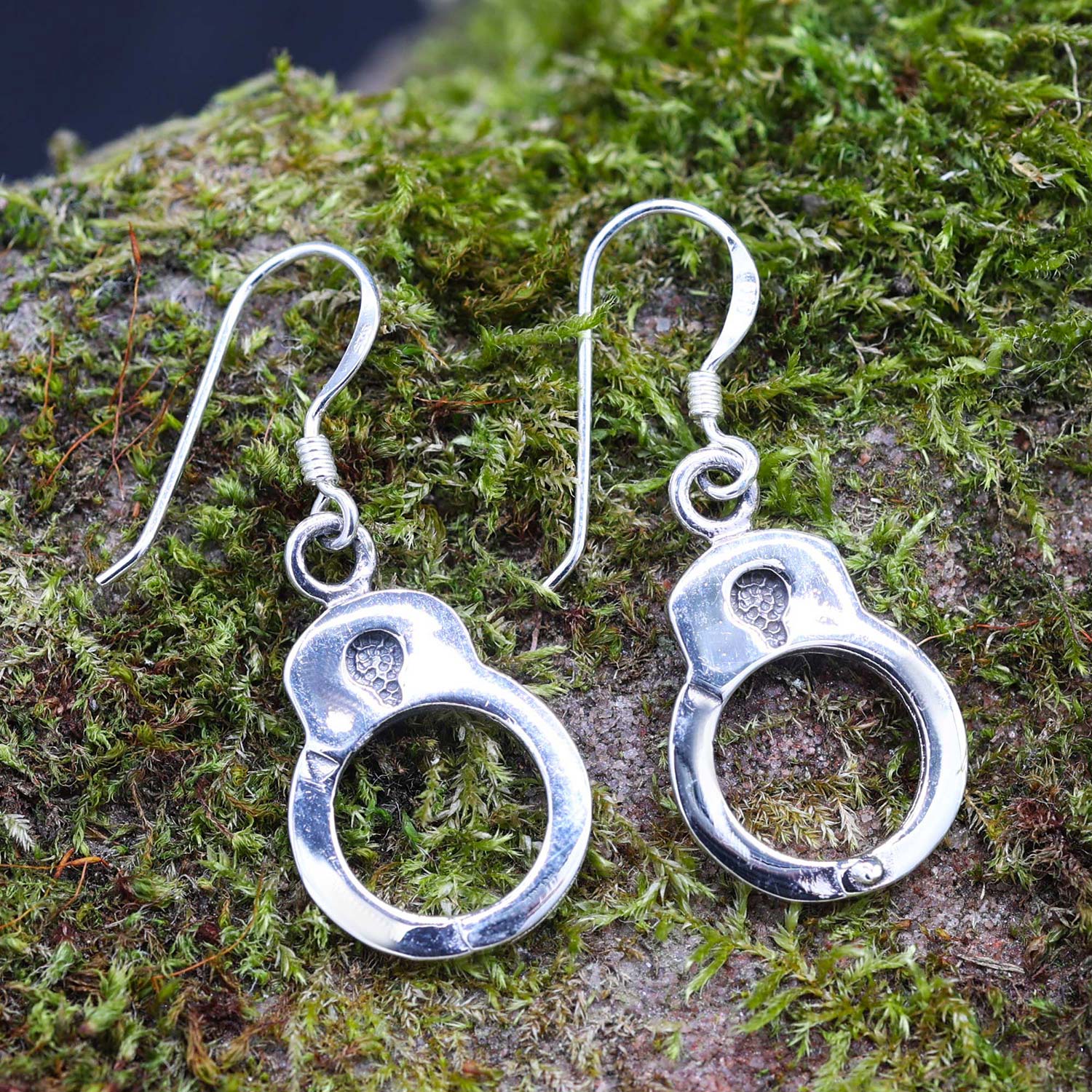
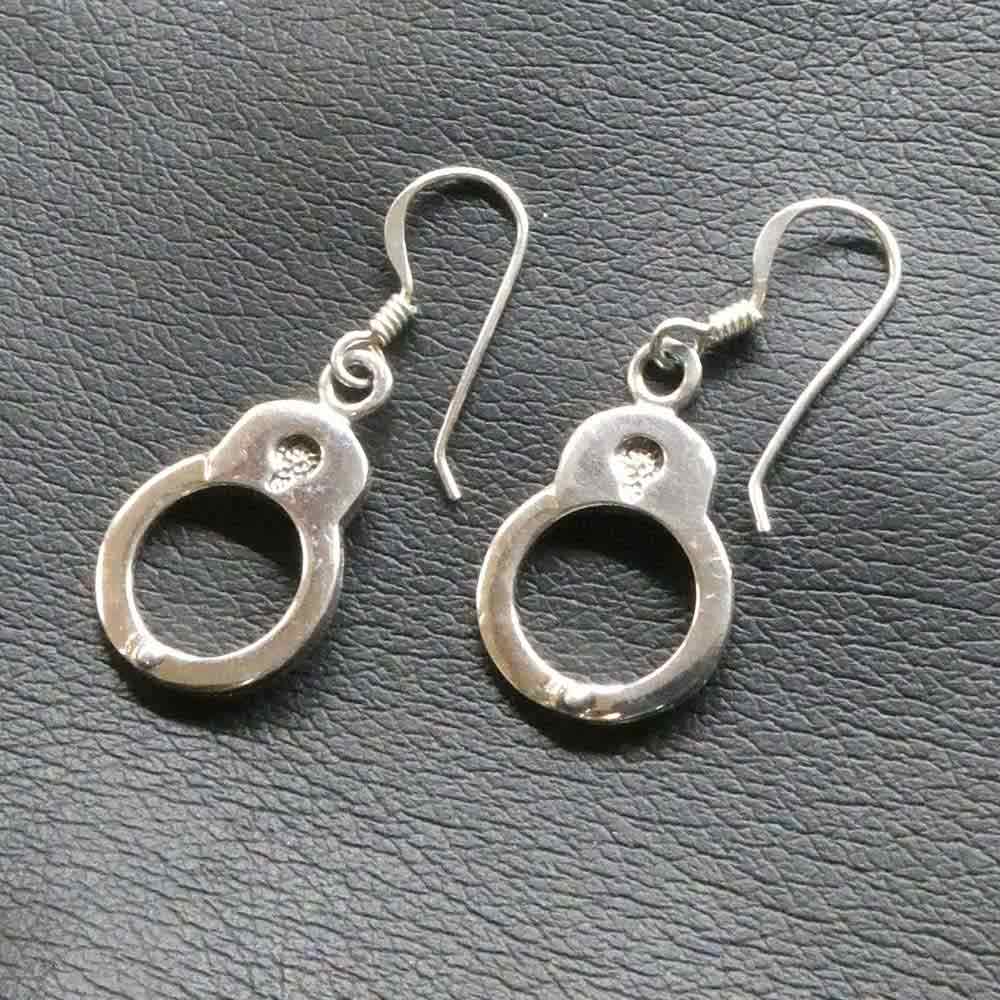
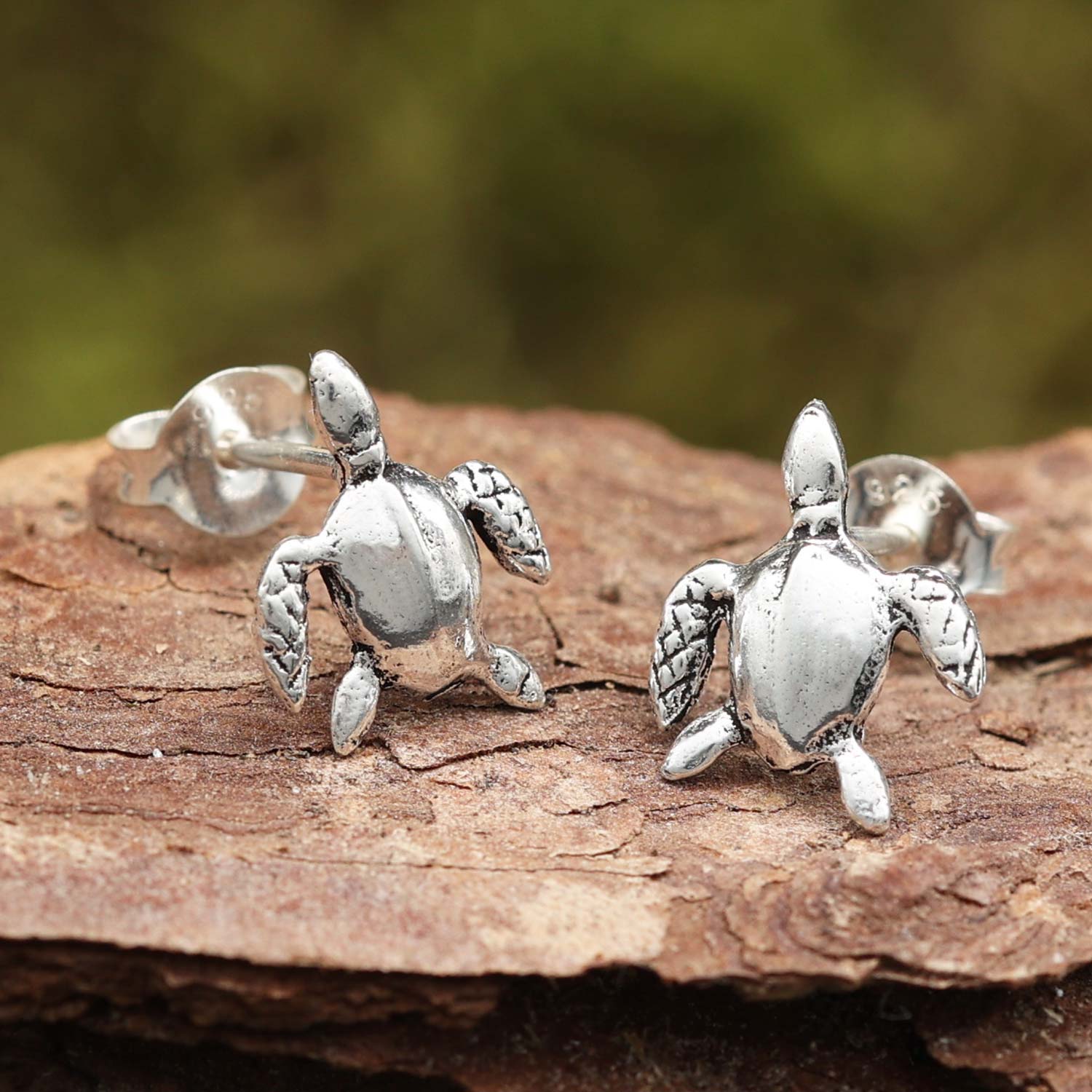
Earrings come in endless variations. From small studs fastened with a screw, hoops in all sizes, to drop earrings with a hook for the earlobe. However, if you don't have a pierced ear, you unfortunately can't use stud earrings.
Already used in ancient cultures, piercing jewelry is becoming increasingly popular in Europe. A piercing (referring to the earlobe itself, not the jewelry) is a naturally occurring earlobe that is gradually stretched to the desired size using stretching coils or plugs. A wide variety of piercing jewelry, plugs, and tunnels are available for this purpose.
The variations of earrings
Earrings are now available in a wide variety of materials. These include precious metals, of course, but also wood, bronze, horn, bone, stainless steel, plastic, rubber, and many more. Furthermore, these pieces of jewelry can be decorated with just about anything imaginable: gemstones, pearls, shells, leather, and more.
A brief look at the history of earrings
The oldest earrings found to date, approximately 8200 years old, were discovered in Inner Mongolia. They are jade earrings of varying sizes.
In Europe, from the 16th to the 18th centuries, earrings were reserved for wealthy upper-class women and noblewomen. These women primarily wore drop or pear-shaped earrings. It wasn't until the Biedermeier period, from 1815 to 1848, that earrings became an everyday piece of jewelry worn by middle-class women. A prerequisite was that the earrings, together with a necklace and brooch, formed a cohesive set. Only the discovery of gilding made the widespread use of jewelry among the lower classes possible. Even in rural areas, jewelry was considered a sign of wealth. However, it wasn't until the 19th century that earrings became an integral part of some regional folk costumes.