
Who Were the Vikings?
The Vikings were seafarers, traders, and warriors from Scandinavia. Their era – the Viking Age – officially began with the raid on Lindisfarne Monastery in 793 and ended in 1066 with the Battle of Hastings. In between, they shaped large parts of Europe.
Inhaltsverzeichnis
Origin and Meaning of the Word "Viking"
The word "Viking" likely derives from the Old Norse vík, meaning "bay" or "harbor." A Viking was therefore someone who went on raids. Not every Scandinavian was automatically a Viking. Many were farmers and traders. Only those who went on raids and sea voyages were called Vikings.
Where did they come from?
- Norway
- Denmark
- Sweden
Norwegian Vikings sailed towards England, Iceland, and Greenland. Danish Vikings focused on Britain and France, where they later founded Normandy. Swedish Vikings traveled via the rivers of Russia to the Black Sea.
Why were they so feared?
Their longships were fast, shallow-drafted, and ideal for coasts and rivers. This allowed them to launch surprise attacks on cities and monasteries. The raid on Lindisfarne Monastery in 793 is considered the beginning of the Viking Age. Monasteries were easy targets: rich in gold, poorly defended.
However, the image of the barbaric marauder is too simplistic. Archaeological finds in Hedeby show a complex trading town with workshops, coins, and long-distance trade as far as Arabia.
Warriors, Explorers, Settlers
The Vikings were not only warriors with sword and shield. They were also:
- Explorers (Vinland around the year 1000)
- Settlers (Iceland and Greenland)
- Traders between Europe and Asia
Leif Erikson reached North America around 500 years before Columbus. Rollo, a Viking leader, became the first Duke of Normandy. In 1066, William the Conqueror – a descendant of the Vikings – conquered England.
Society and Culture
The history of the Vikings is also a history of their own culture. Runestones, Old Norse myths, and grave finds show a highly structured society with Jarls (nobility), free farmers, and thralls.
With the Christianization of Scandinavia in the 10th and 11th centuries, the lives of the Vikings changed fundamentally. The end of the Viking Age was not a sudden break – but a slow transition into the European Middle Ages.
Who were the Vikings really?
Who were the Vikings? In our daily work at Drachensilber, this question often comes up – especially from customers interested in Nordic jewelry with a real history. Many immediately think of the barbaric warrior with helmet, sword, and shield. But this image is too simplistic.
The Viking Age officially began in 793 with the raid on Lindisfarne Monastery in England. This attack on a Christian monastery shook medieval Europe. It marks the beginning of an era in which Scandinavian seafarers shaped the coasts of Britain and the continent. The end of the Viking Age is usually dated to 1066, the Battle of Hastings.
More than just raids
Yes, there were raids and pillaging. Monasteries and cities were attacked, plunder was an important part of the economy. But that is only part of the story of the Vikings.
The Norsemen from Scandinavia were also:
- experienced sailors with highly developed longships
- skilled traders, active from Hedeby to the Black Sea
- brave explorers who settled Iceland and Greenland
- settlers in England, Normandy, and even Vinland around the year 1000
Archaeological finds show that many Vikings were farmers and traders. Weapons lay alongside scales and silver coins in the same graves. The life of the Vikings was multifaceted – not constant warfare.
A distinct culture with strong symbols
What is often overlooked: The Vikings had a distinct own culture. Runic inscriptions, Old Norse mythology, and artistic jewelry tell of a society with clear values – honor, loyalty, courage.
The word "Viking" originally referred more to an activity – going on raids – not an entire people. Not every Scandinavian was automatically a Viking.
So who were the Vikings really? Not wild hordes without structure, but traders and warriors, explorers and settlers. People of the Middle Ages who profoundly changed the known world between 793 and 1066.
Legends of the North
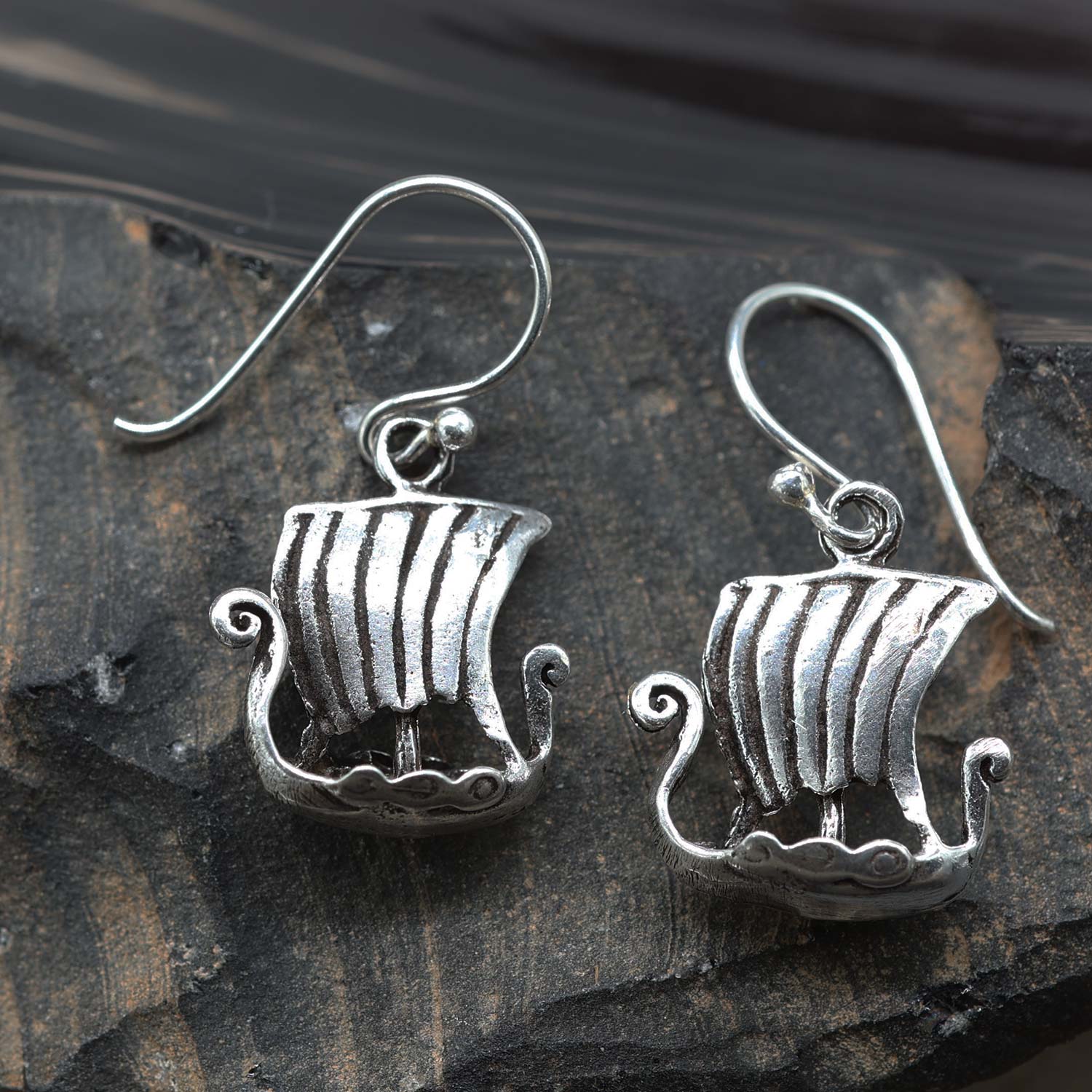
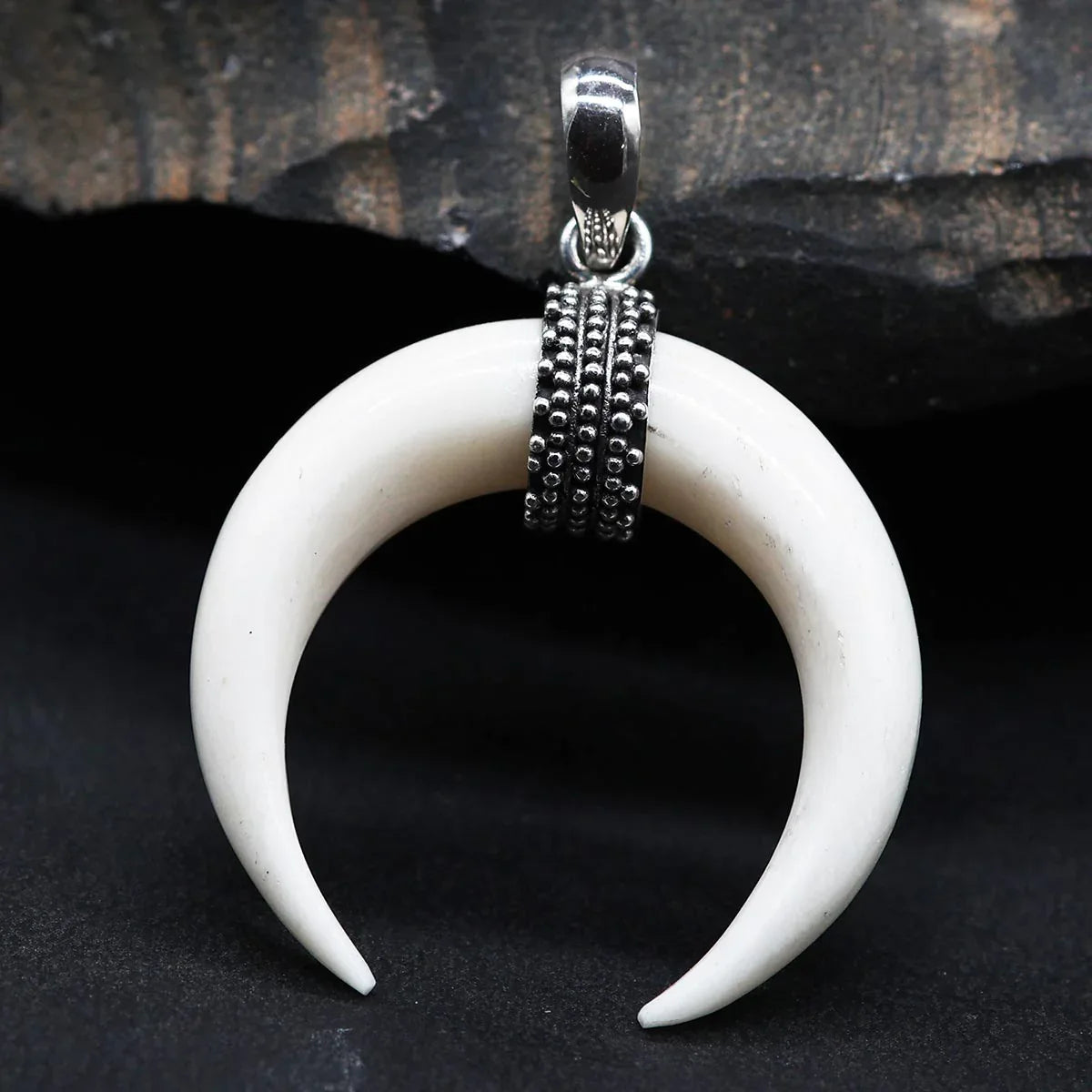
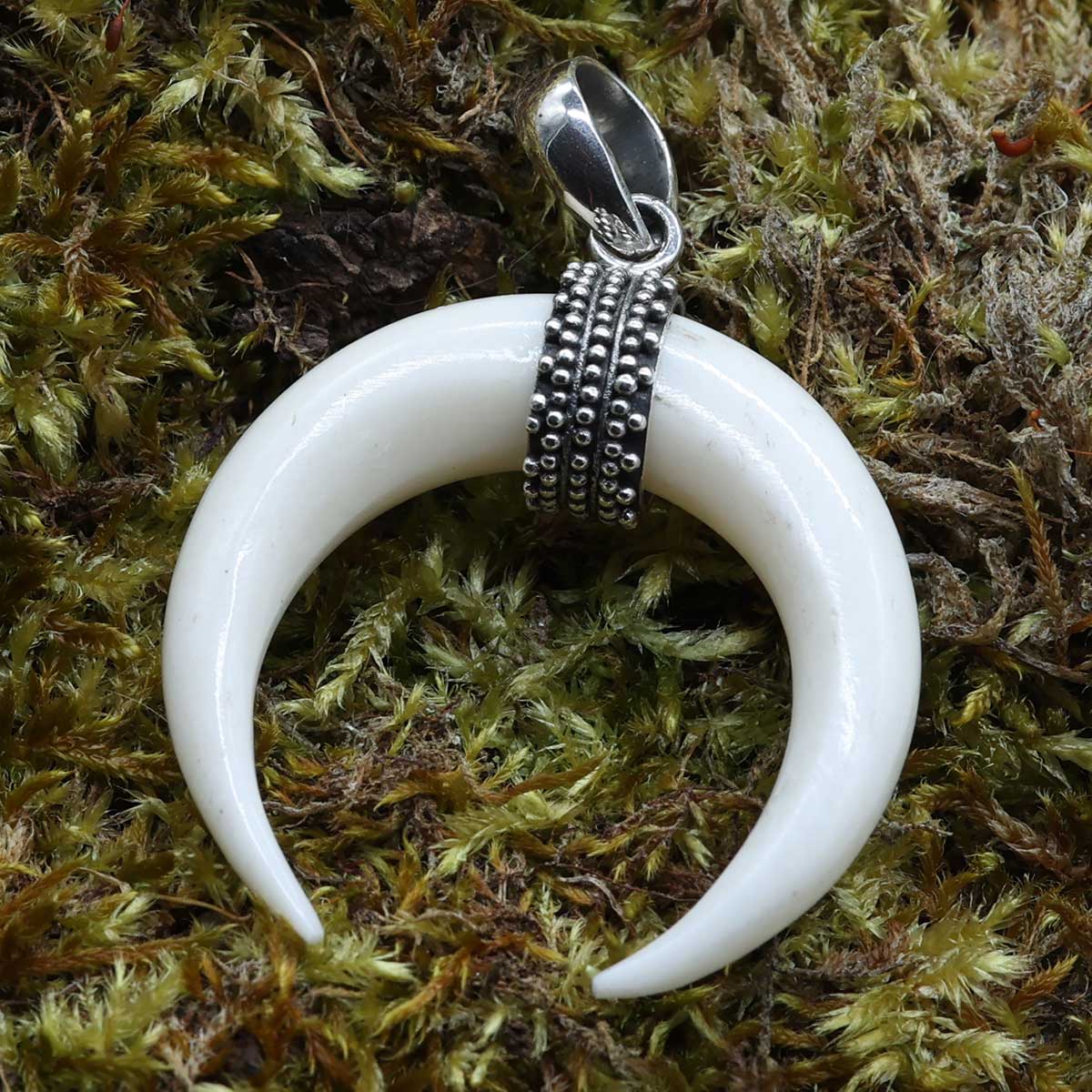
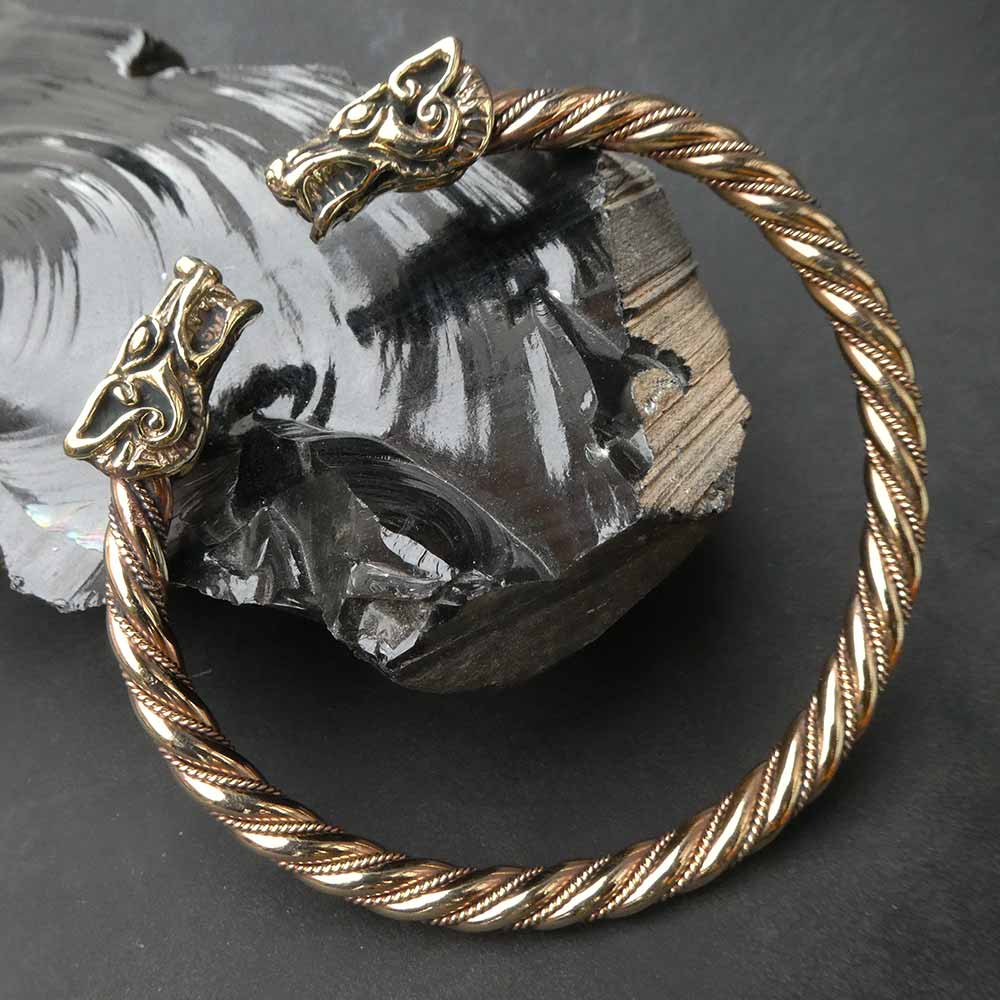
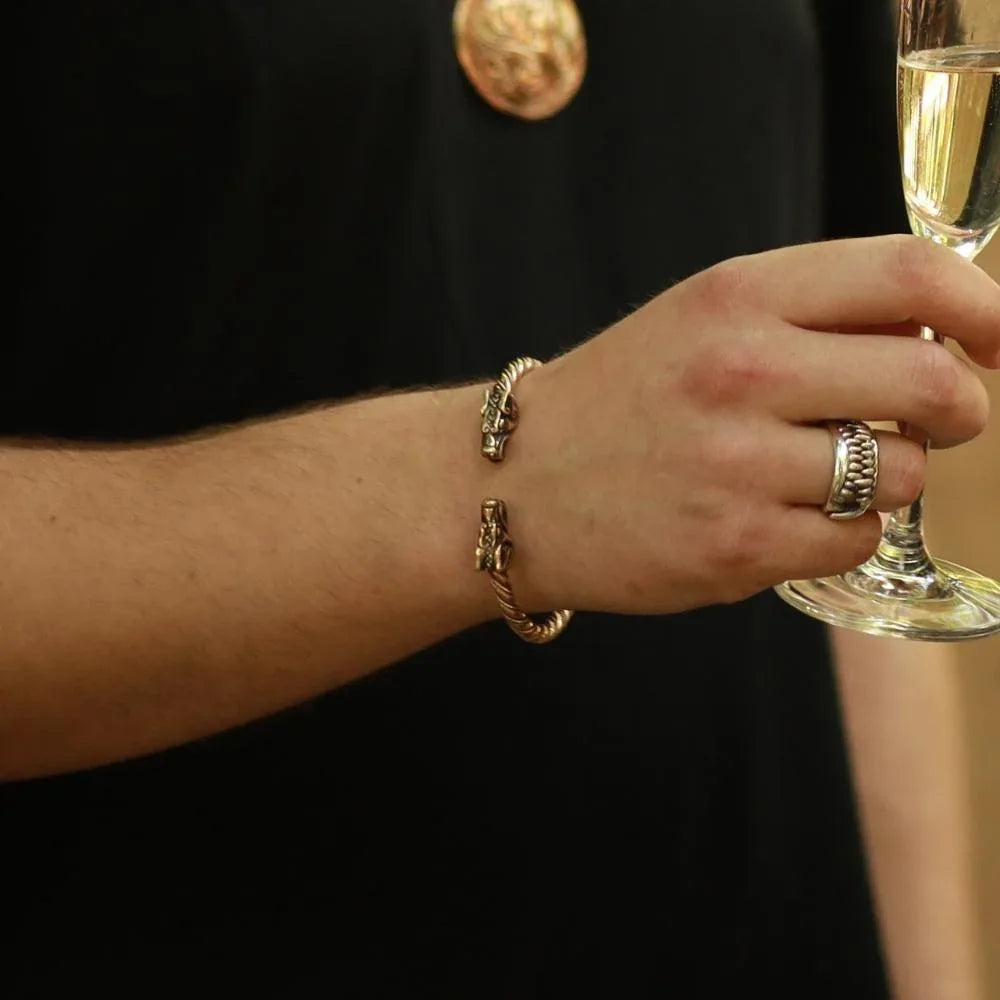
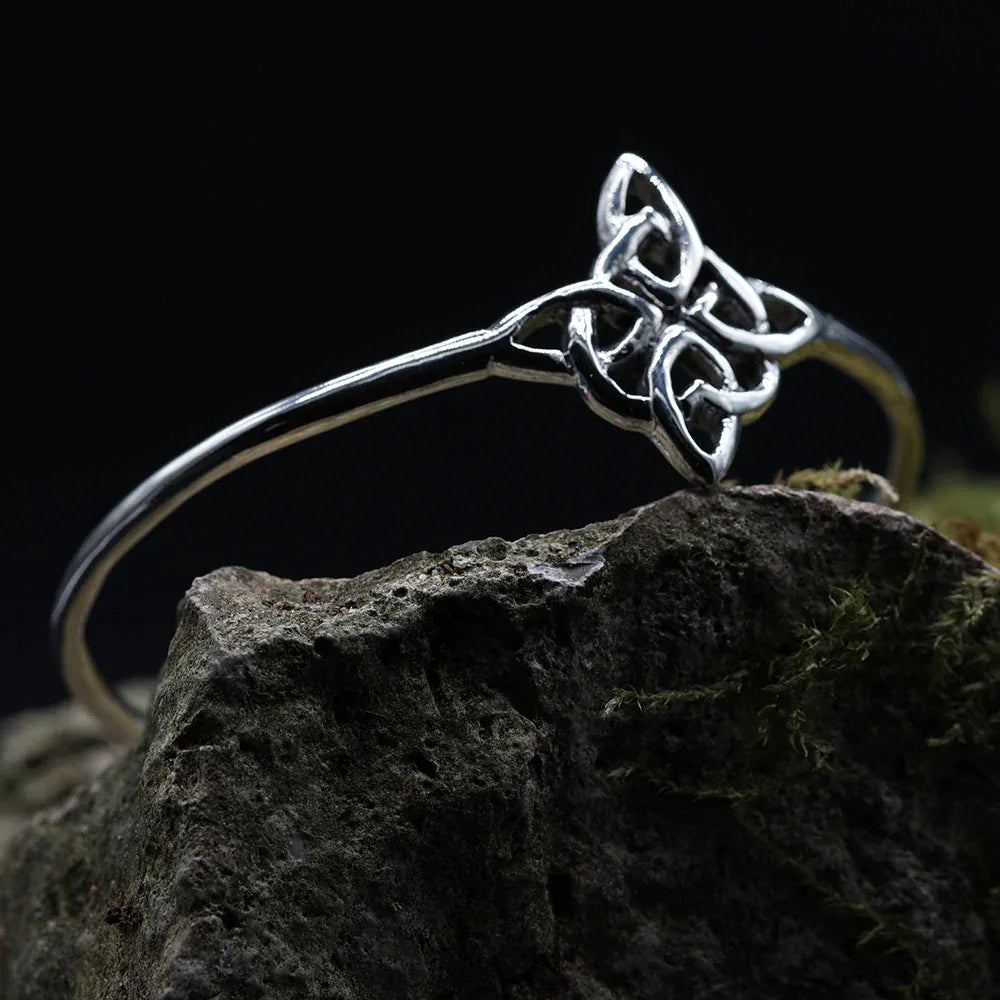
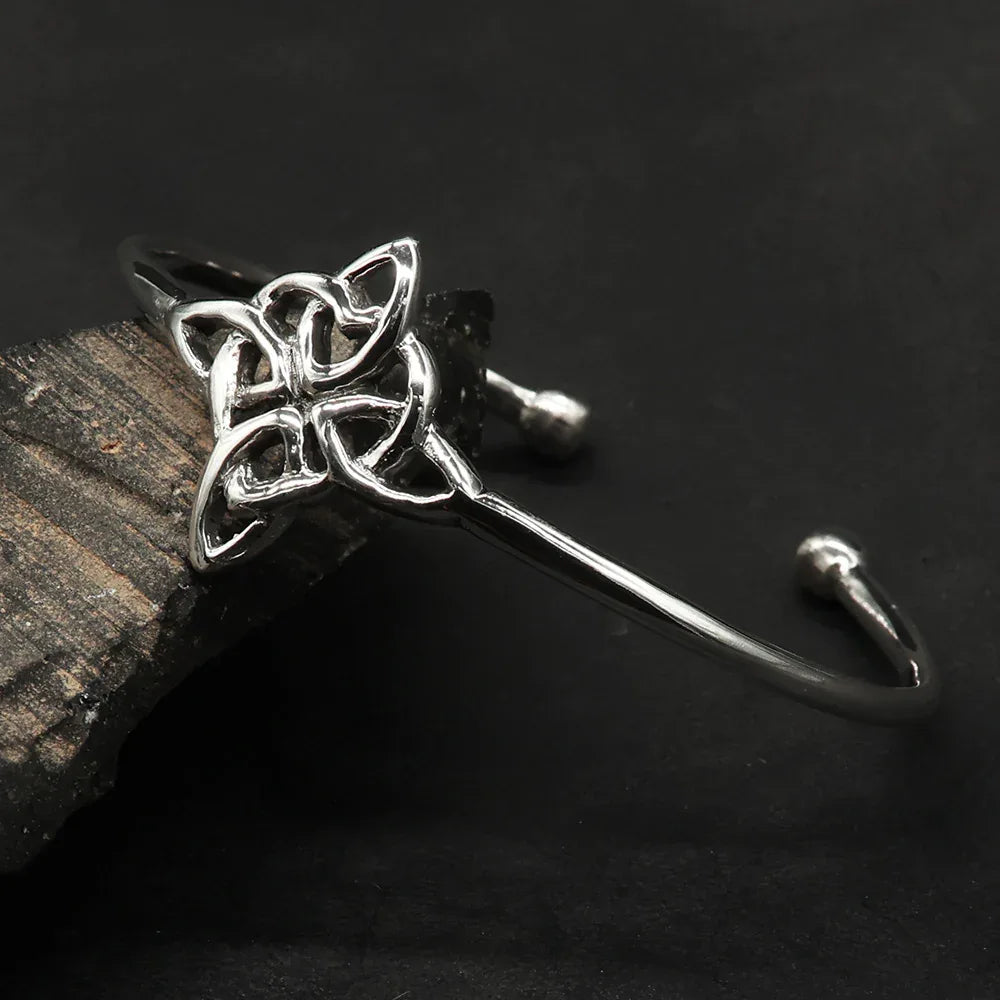
Distinctive Viking jewelry, uniting history, mythology, and strength.

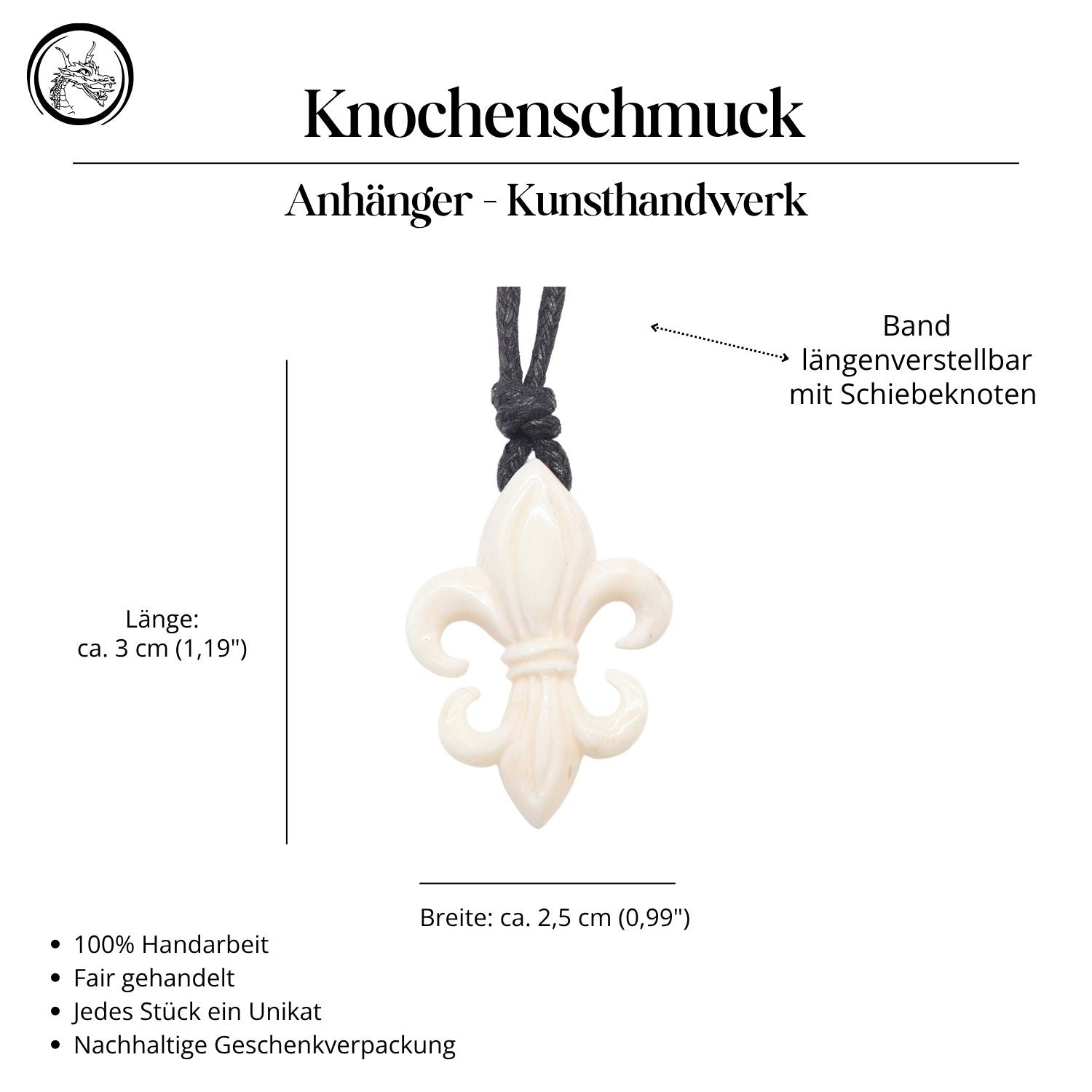
Beginning of the Viking Age and the Raid on Lindisfarne
The Year 793: A Turning Point in the Middle Ages
The beginning of the Viking Age is usually dated to the year 793. In this year, Norsemen attacked the Lindisfarne Monastery on the coast of England. For many historians, this raid on Lindisfarne Monastery marks the starting point of a new era in the European Middle Ages.
Contemporary chronicles – primarily from a Christian perspective – report looting, burning buildings, and slain monks. For the spiritual world, it was a shock. Monasteries were considered sacred, protected places. The ease with which they could be plundered shattered faith in divine protection.
Archaeological finds and written sources, however, show that the raid was not accidental but strategically planned.
Why Lindisfarne Was an Easy Target
The monastery was isolated but easily accessible by sea. It was:
- rich in gold, liturgical equipment, and manuscripts
- barely militarily protected
- located directly on the coast
The Vikings used their swift longships for surprise attacks. These ships were shallow-drafted, ideal for open seas and shallow river mouths. This gave them speed and flexibility.
From my study of Scandinavian history, I know that such monasteries were particularly attractive for early raids. Little defense, high plunder, quick retreat – militarily efficient.
More Than Just Plunderers
Nevertheless, the image of pure warriors falls short. Yes, the raid of 793 became a symbol for further raids on cities and monasteries in Britain. But in parallel, trade routes developed from the Baltic Sea region to the Black Sea.
Scandinavian seafarers were not only plunderers, but also:
- Traders in Hedeby
- Settlers in Iceland and Greenland
- Explorers who even reached Vinland around the year 1000
The history of the Vikings therefore begins with violence – but it does not end there. The raid on Lindisfarne was the prelude to an era in which Scandinavian warriors, traders, and explorers profoundly shaped the known world – until the end of the Viking Age in 1066.
Vikings as Warriors, Traders, and Explorers
The image of the wild plunderer falls short. A Viking was originally not an ethnic name, but an activity. The Old Norse word refers to sea voyages – those who went "on Viking" traveled far and wide.
However, during the Viking Age (c. 793–1066), most people in Scandinavia were farmers and traders. Raids and attacks made up only a part of their lives – albeit the most well-known part.
Typical for this period:
- Farmers with their own farm and livestock
- Traders in trade centers like Hedeby
- Seafarers with ocean-going longships
- Warriors on temporary raids
The raid on Lindisfarne Monastery in 793 symbolically marks the beginning of the Viking Age. Monasteries were wealthy and poorly protected – easy targets for a quick raid. But even many of these warriors returned to their normal lives afterward.
Seafarers between Scandinavia and Greenland
The Norwegian Vikings sailed westward. They settled Iceland and Greenland. Around the year 1000, they even reached North America with Vinland – about 500 years before Columbus. Archaeological finds in L'Anse aux Meadows clearly confirm these voyages.
Swedish Vikings used the rivers of Russia as trade routes. Via the Dnieper and Volga, they reached the Black Sea. They traded with Slavs, Byzantines, and Arab merchants – furs for silver, weapons for luxury goods.
The Danish Vikings focused more on England and Britain. There, they conquered entire areas along the coast and founded settlements.
Traders and Warriors in England and Normandy
In England, conquests led to the establishment of their own dominions. At the same time, stable trade relations developed. Many Norsemen remained permanently and became settlers.
A turning point was Normandy. The Viking leader Rollo received land from the Frankish king. His descendants – the Normans – profoundly shaped Europe. In 1066, William the Conqueror defeated the English king at Hastings. This year also marks the end of the Viking Age.
The history of the Vikings shows that they were not just warriors. They were explorers, traders, settlers – and actively shaped the Middle Ages throughout Europe.
Hedeby Runestones and Their Own Culture
Hedeby was more than just a trading post in the early Middle Ages. Situated between the Baltic Sea region and the North Sea, it connected Scandinavia with the Frankish Empire, the Slavic East, and even England. Archaeologists speak of it as one of the most important cities of the Viking Age – with workshops, harbor facilities, and a clearly organized settlement structure.
From our perspective as a jewelry brand, one thing is particularly exciting: the runestones and runic inscriptions found here.
Runestones as Voices of the Past
Runestones were not mere decorations. They were places of remembrance.
Typical contents of the inscriptions:
- Names of warriors and seafarers
- References to journeys to England or the Baltic Sea region
- Dedications to deceased family members
- References to fame, possessions, or ancestry
Many of these texts are written in Old Norse. They show that the Norsemen were not only traders and warriors but also had a strong awareness of their origins and family.
During excavations in Hedeby, evidence of contacts with the court of Charlemagne was also found. This proves that this distinct culture was not an isolated phenomenon but part of a larger European network.
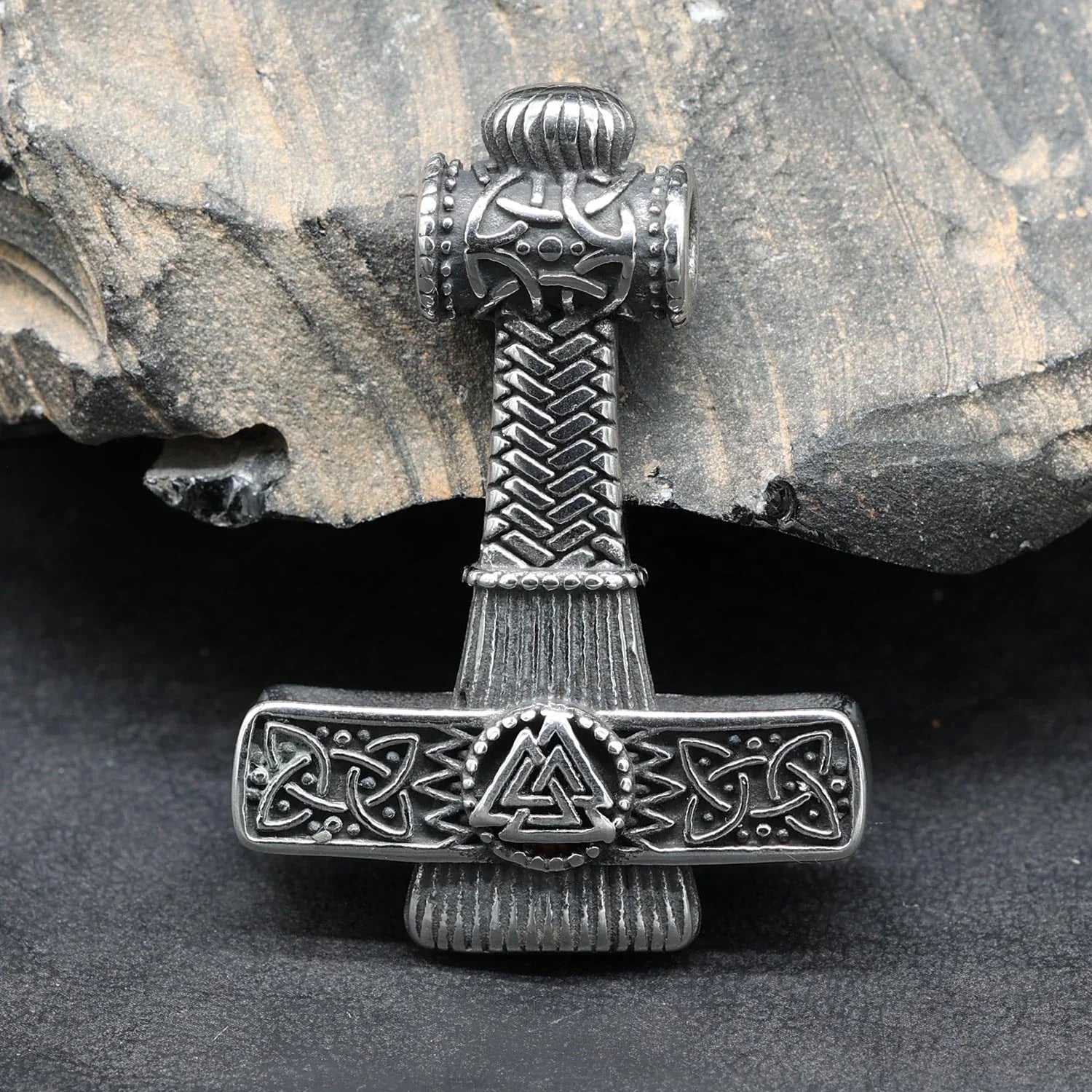
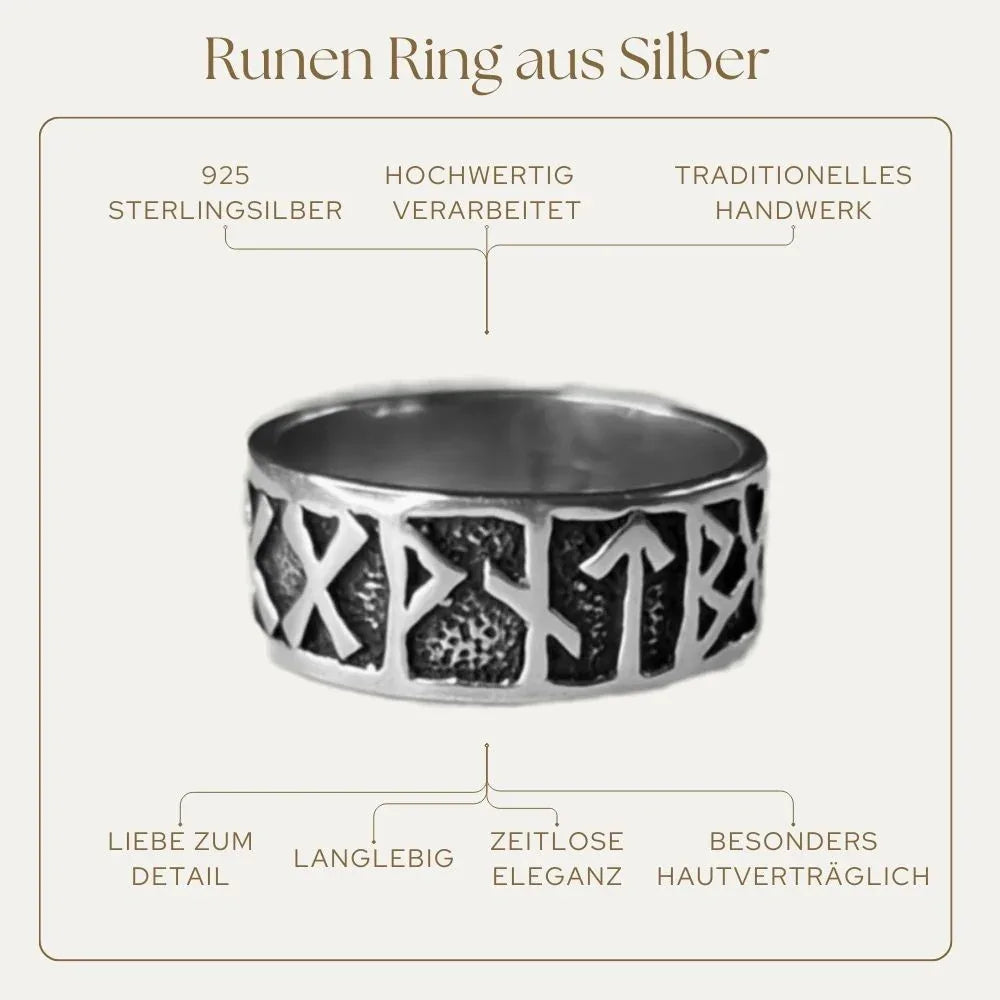
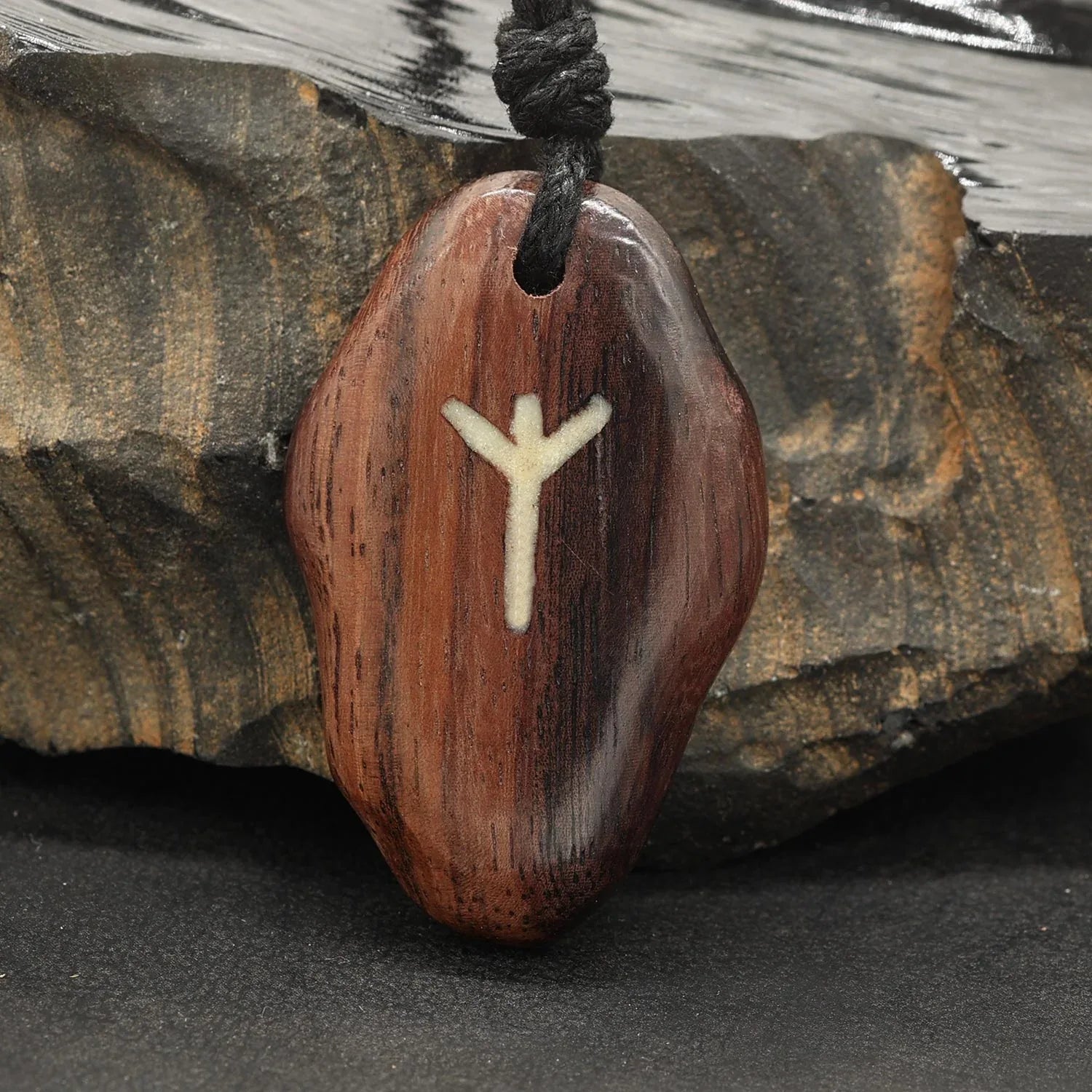
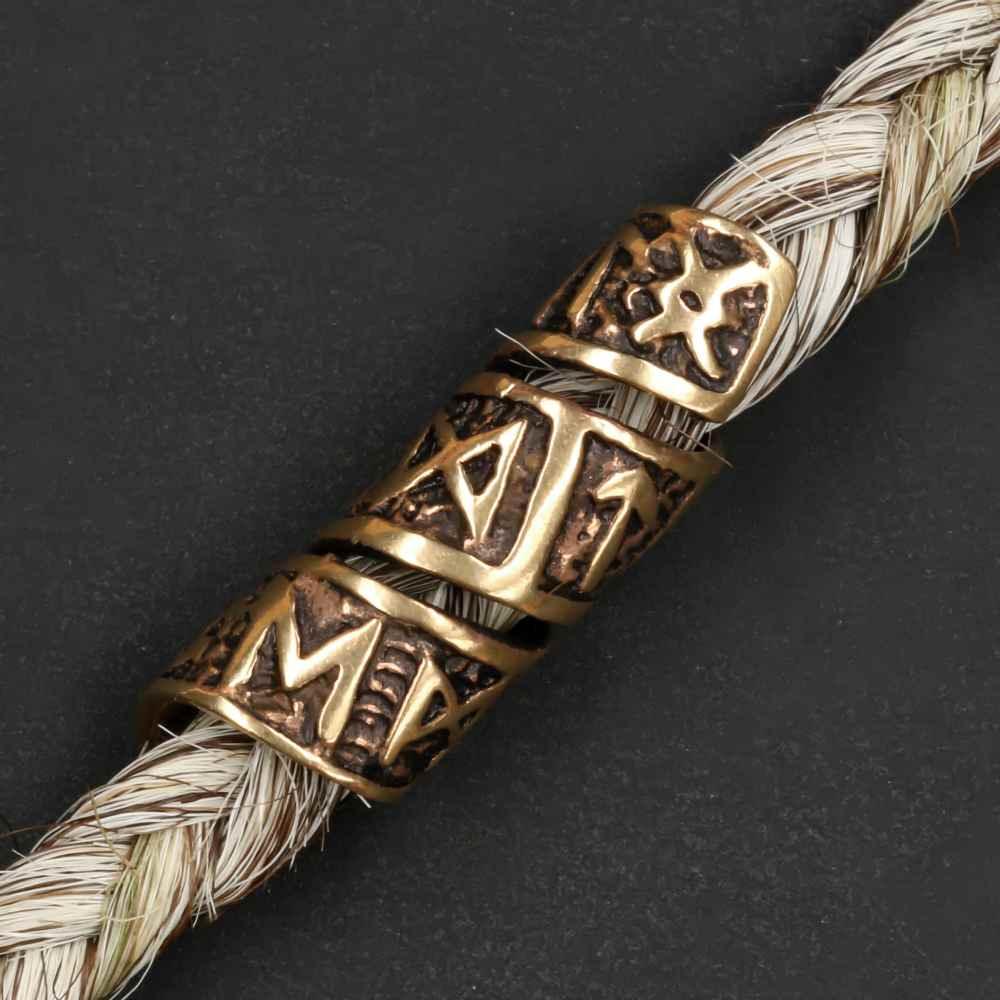
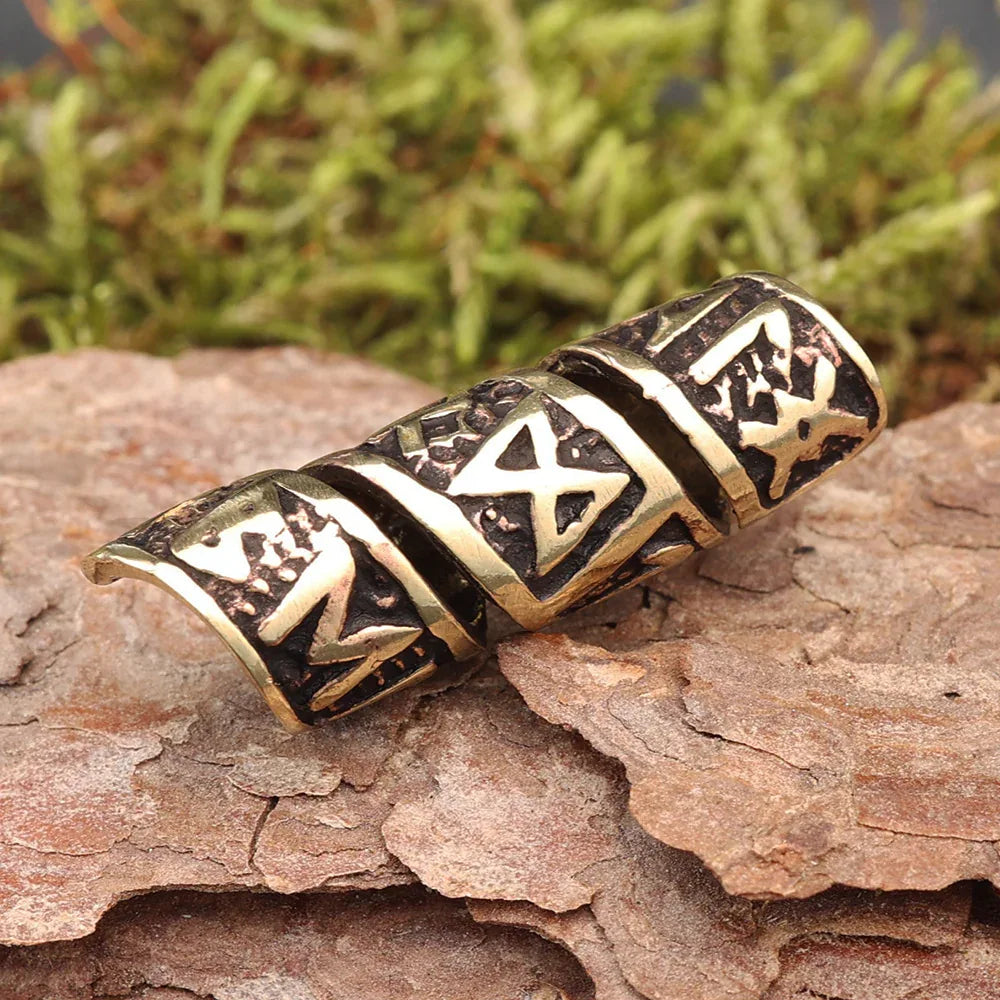
Symbolic jewelry full of power, protection, and Nordic mysticism.
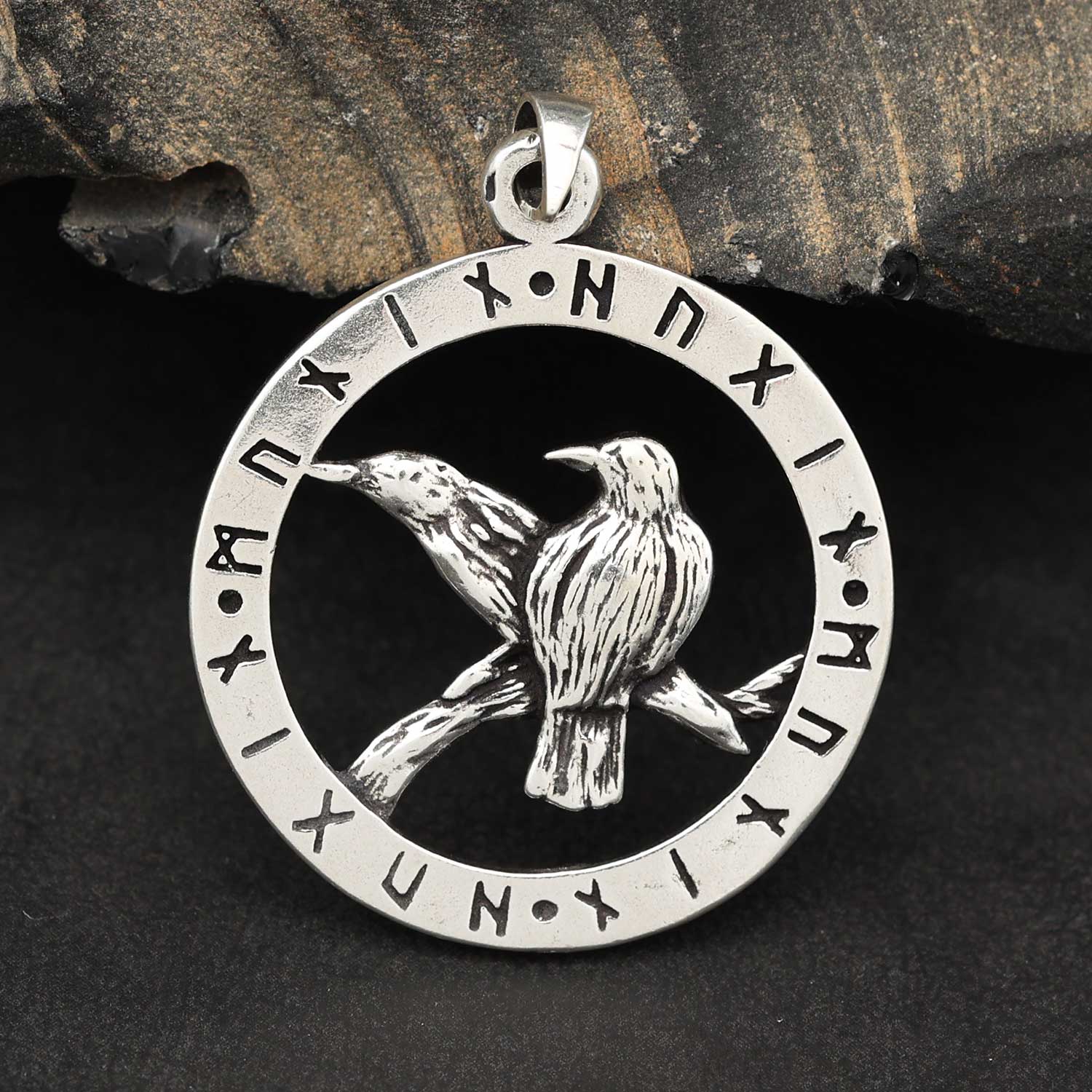
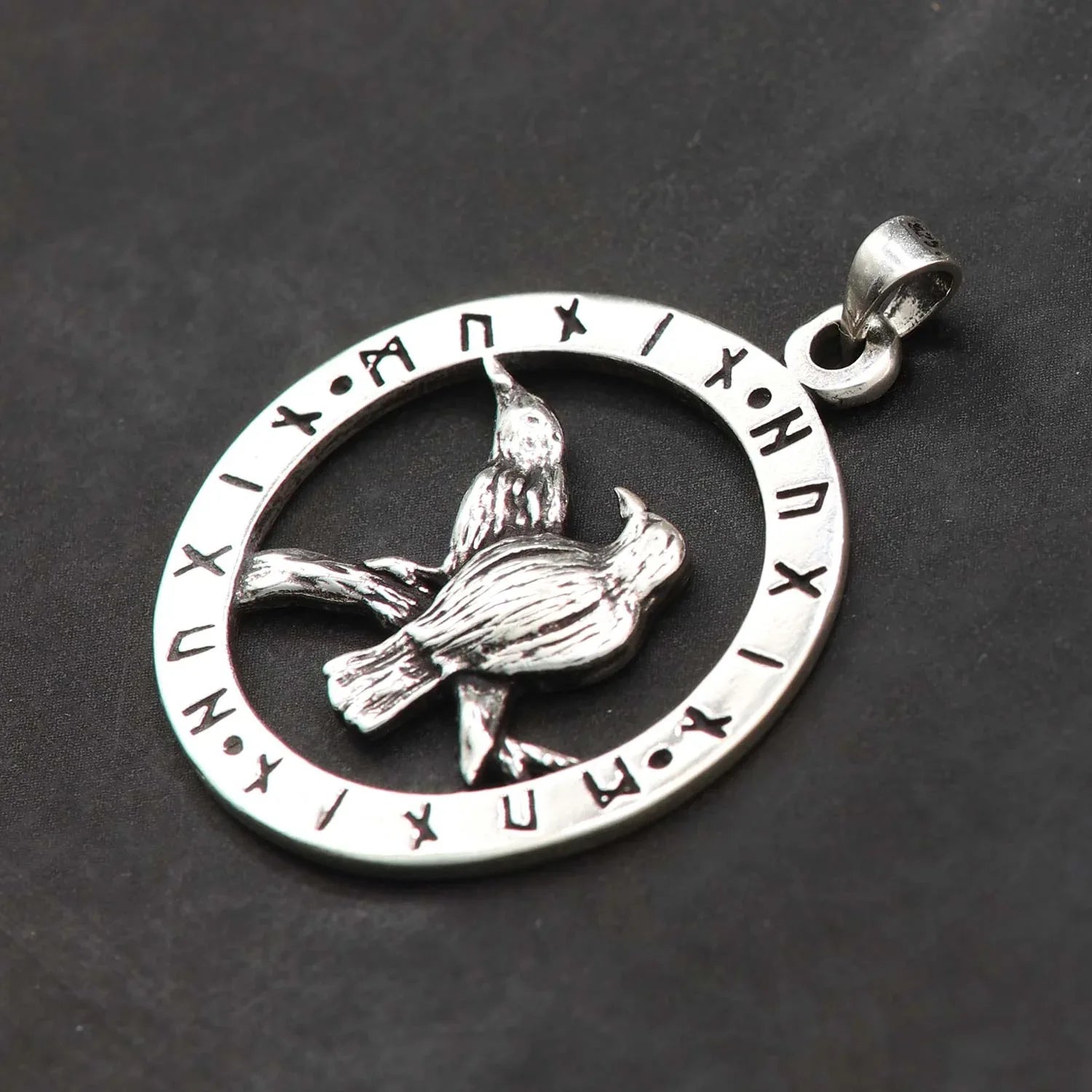
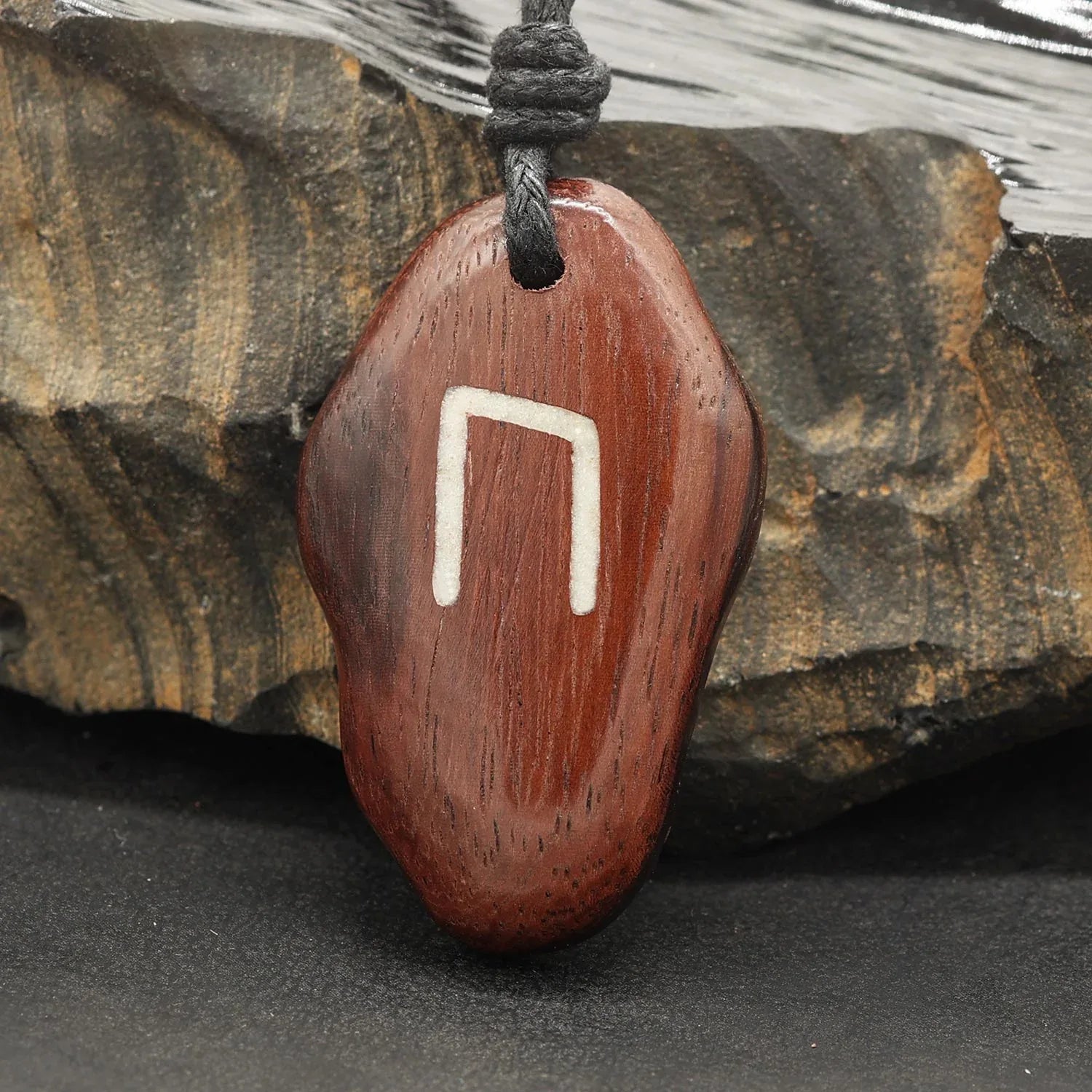
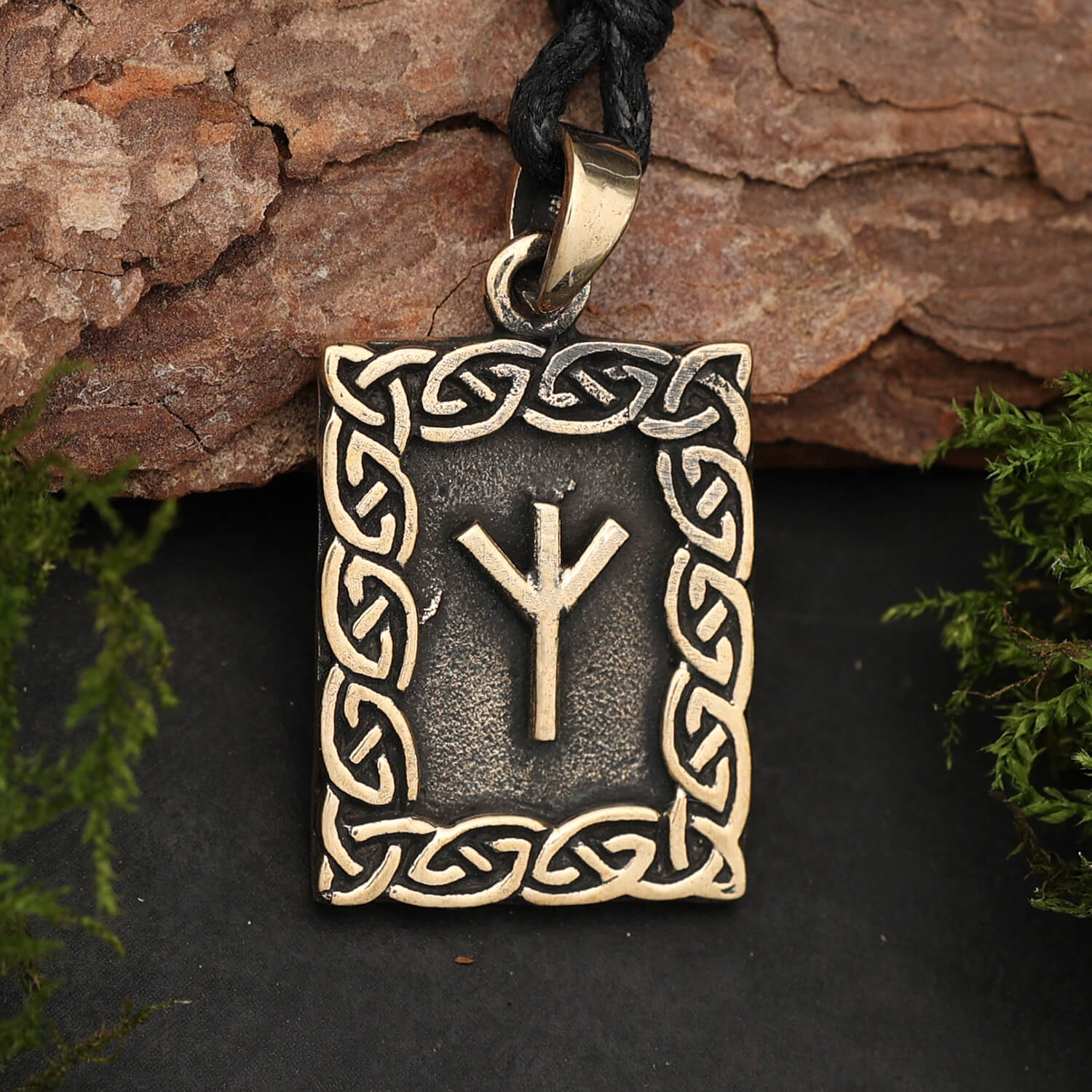
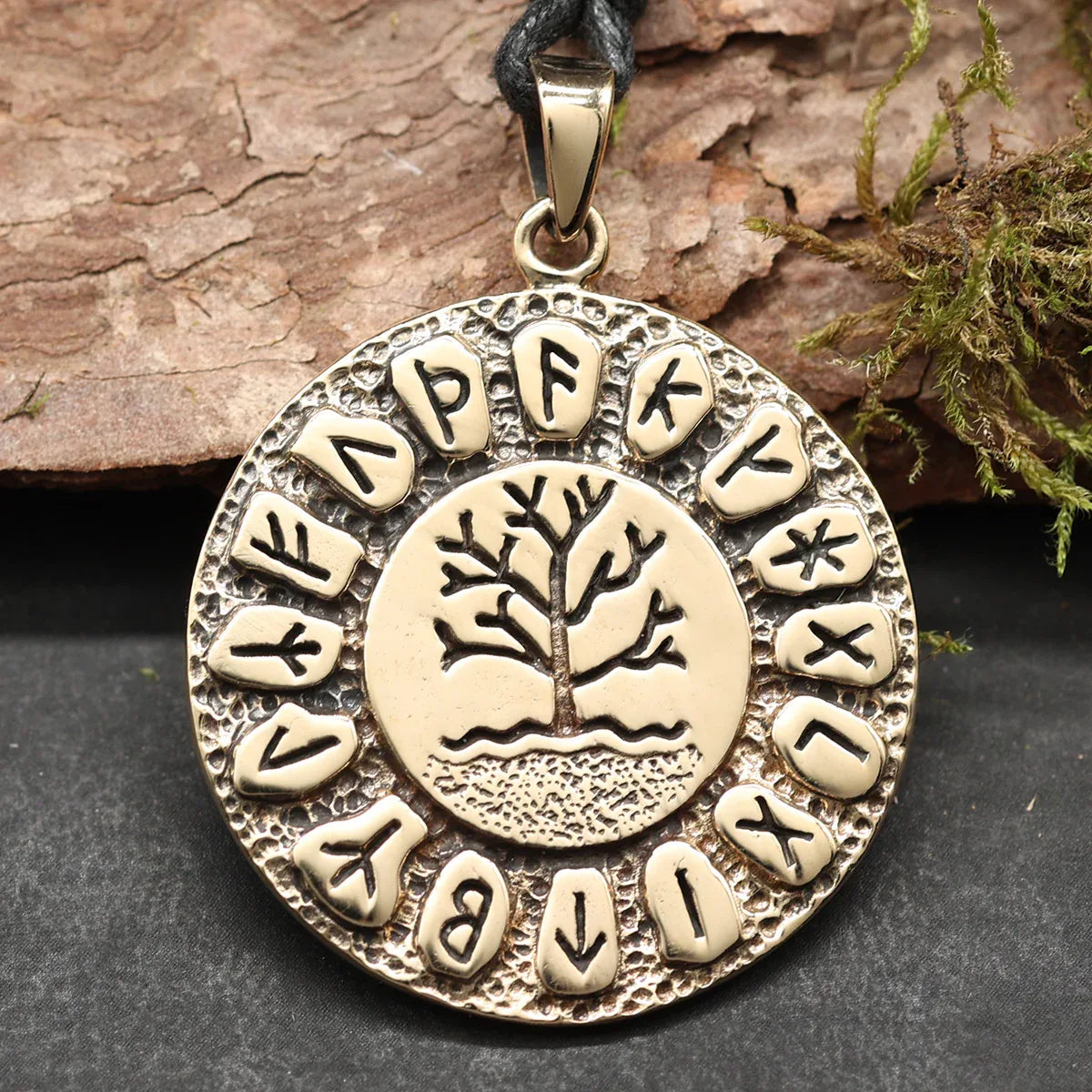
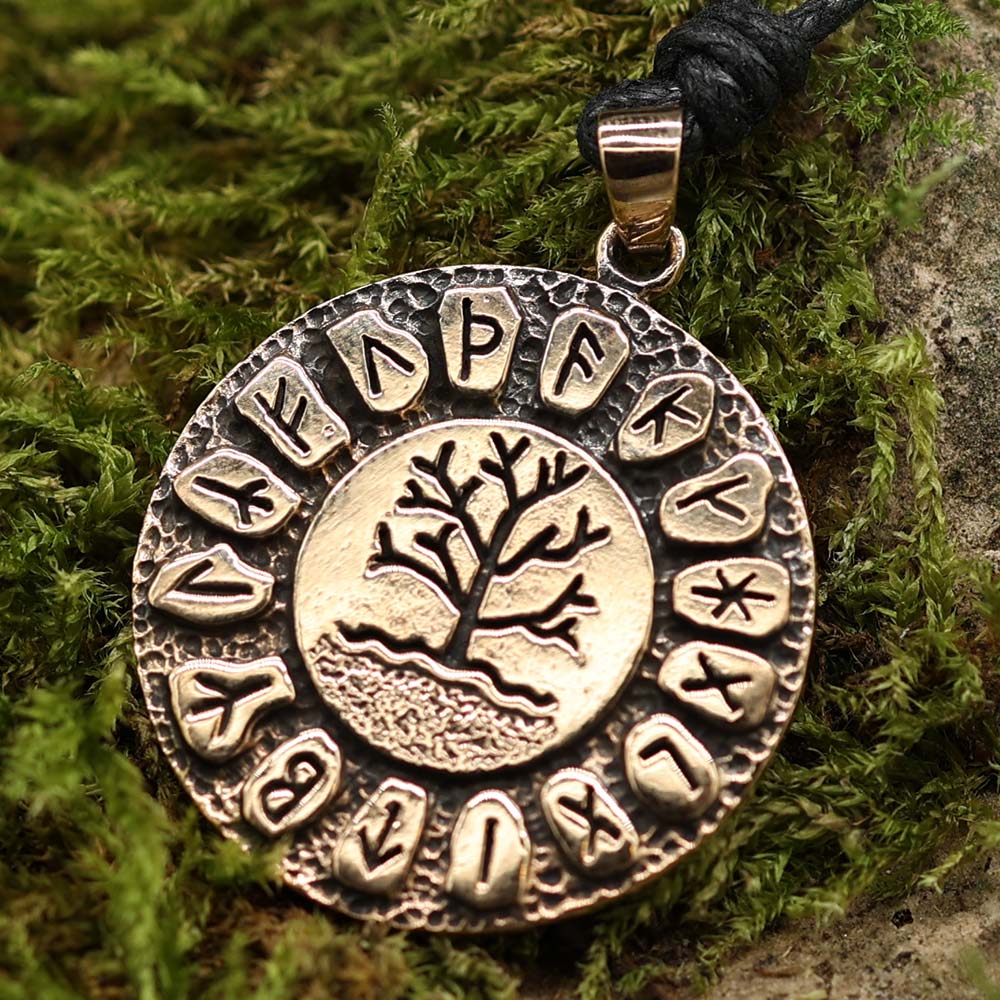
The Magic of Runes
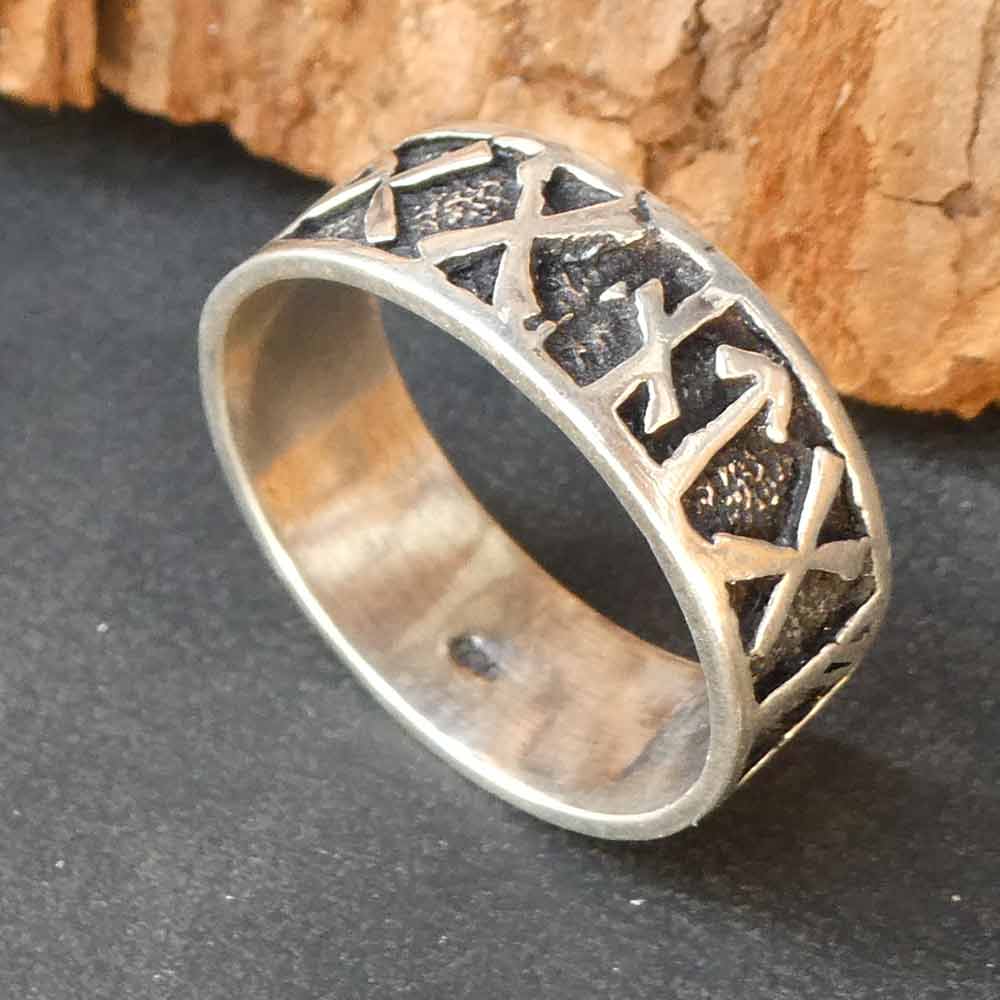


Mythology and Worldview
In addition to the runestones, the Nordic-Germanic mythology shaped people's thinking. Odin stood for wisdom and self-sacrifice, Thor for protection and strength. These gods were not abstract figures, but part of everyday life.
Symbols such as:
- Thor's Hammer
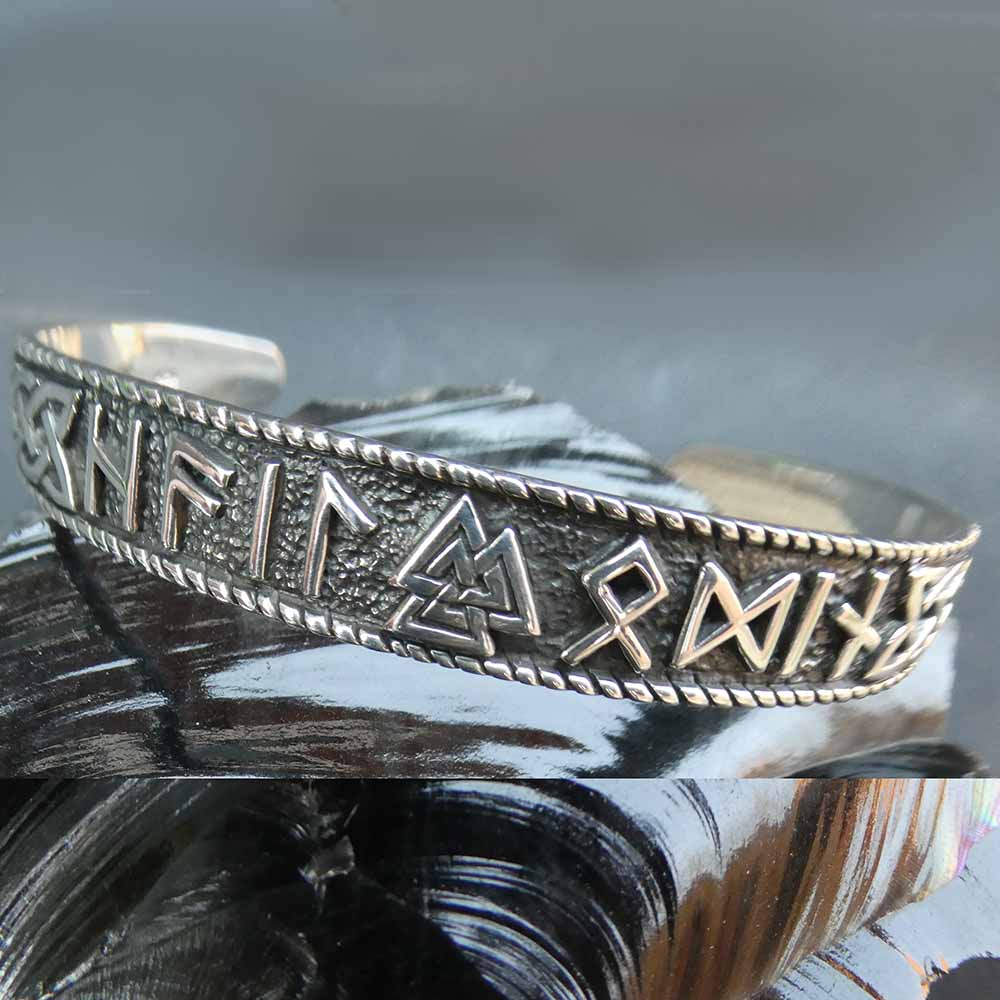
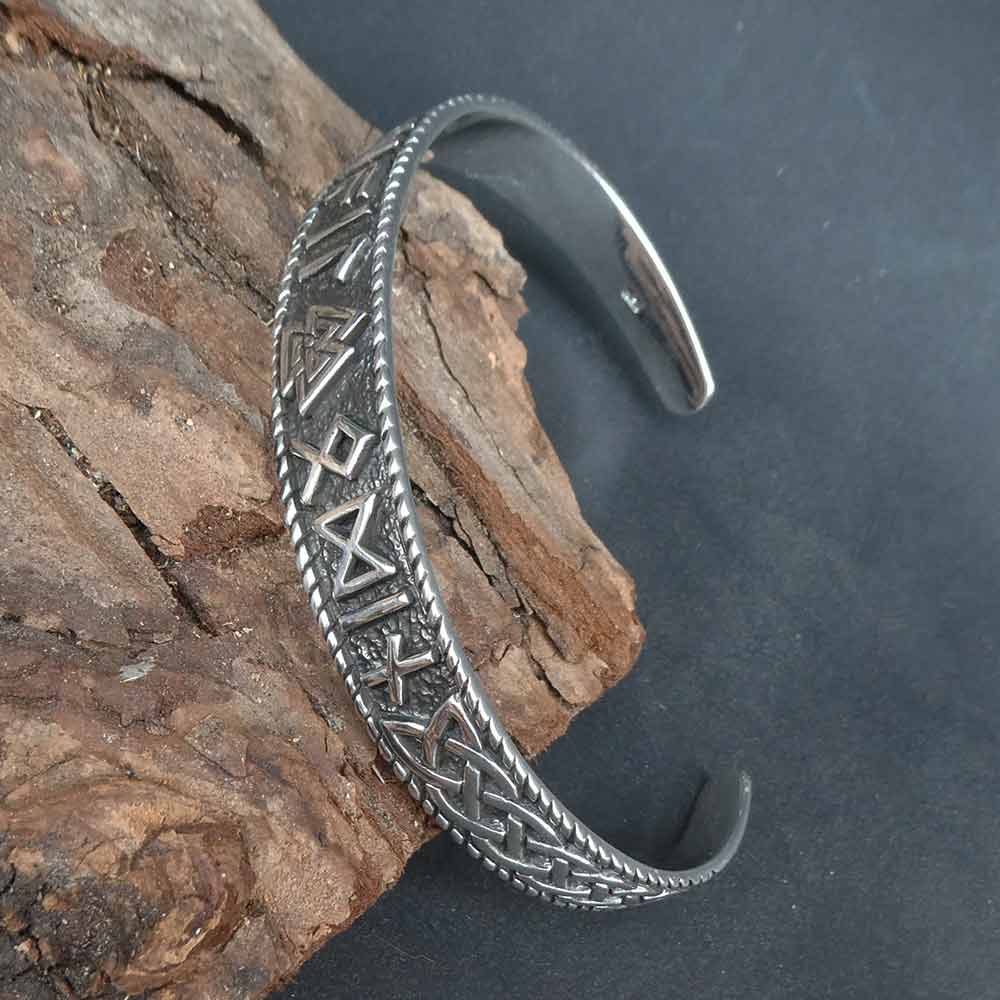
- Valknut
- intertwined animal ornaments
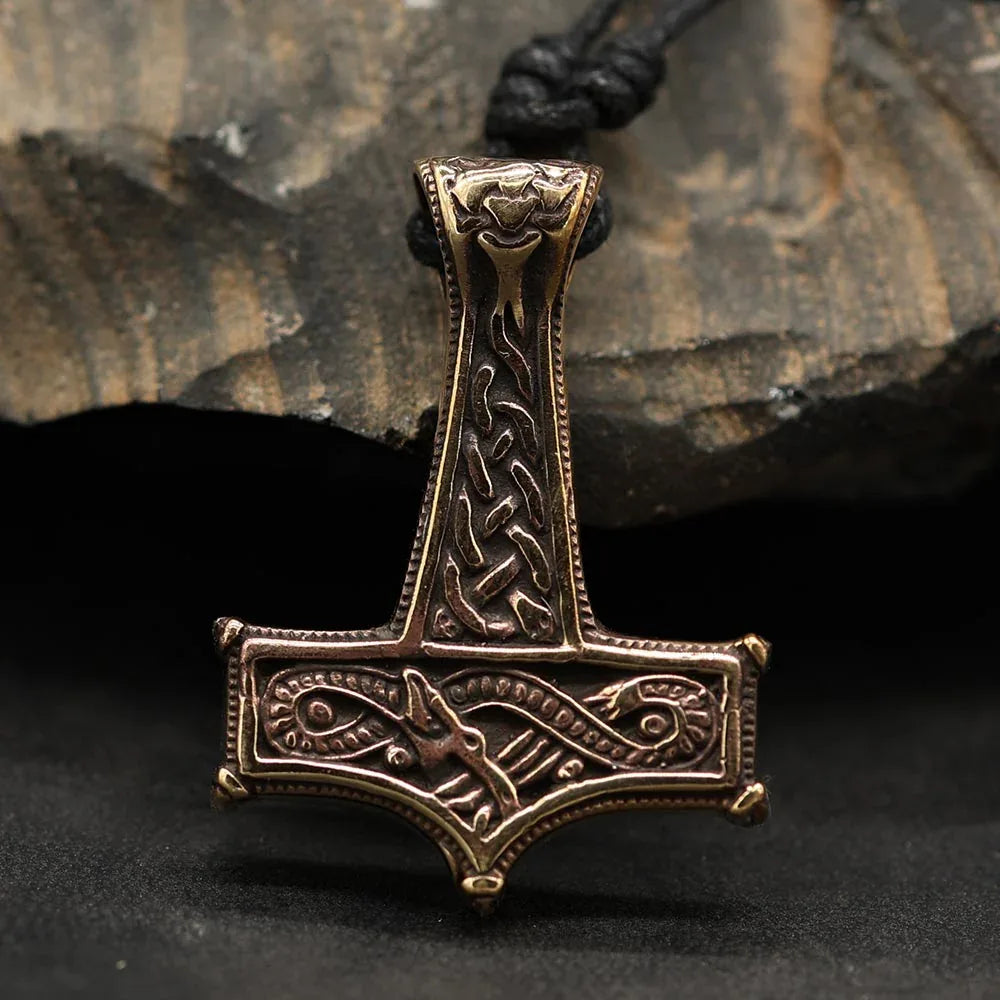

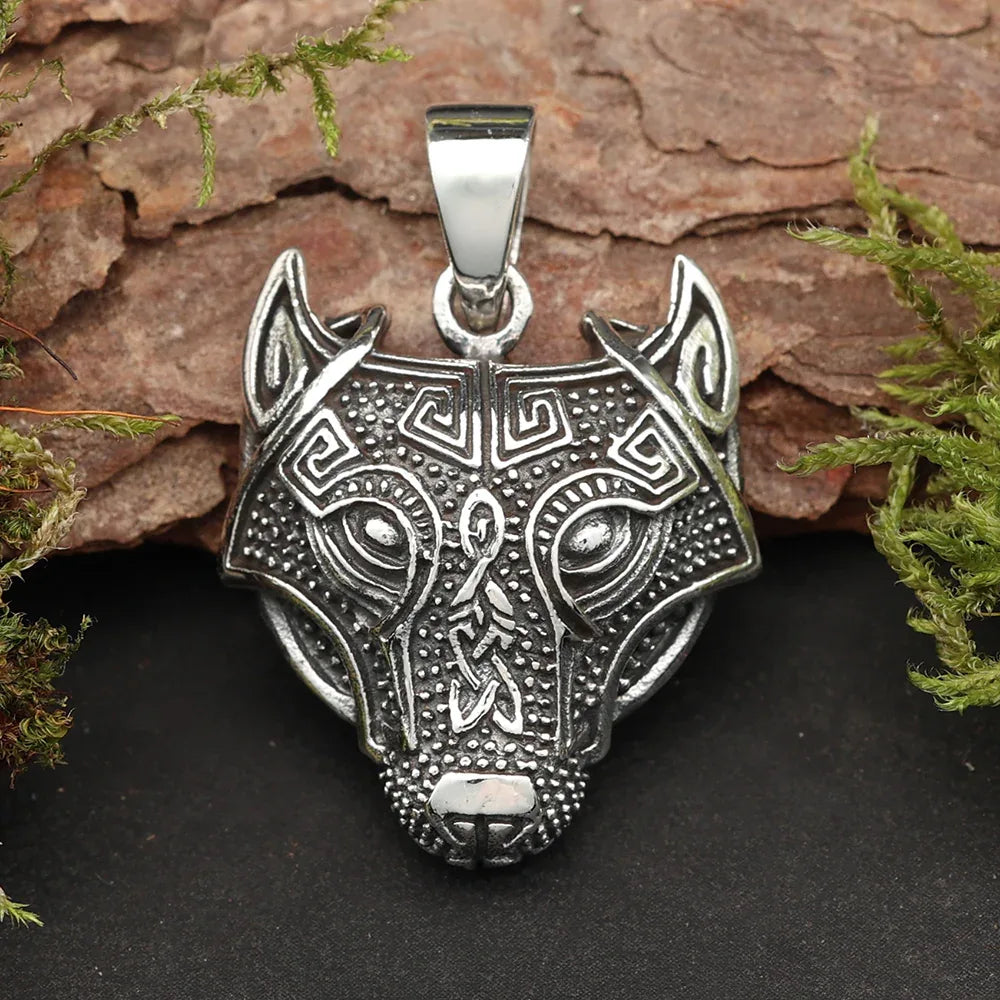
appear repeatedly in finds from Haithabu. They connected belief, identity, and craftsmanship.
From Haithabu to Modern Jewelry
Many motifs from the Viking Age are found today in intricately detailed pendants and rings. When we began to intensively study rune stones, it became clear: every symbol carries a concrete meaning. It's not about "Viking aesthetics," but about history and culture.
Whoever wears Norse-inspired jewelry carries a piece of this Scandinavian history – shaped by seafarers, traders, and an independent, deeply rooted tradition.
Norman Conquest and the Battle of Hastings
In 1066, the Battle of Hastings decided more than just a struggle for the throne. William the Conqueror, Duke of Normandy and descendant of Rollo, defeated the Anglo-Saxon king Harald II. This ushered in a new order in England – and effectively the end of the Viking Age.
From Northmen to Normans
The Normans were originally Vikings from Scandinavia. Their leader Rollo received land in present-day Normandy in 911. Northern seafarers became settled rulers.
They adopted:
- the French language
- the Christian belief system
- feudal administrative structures
At the same time, they preserved elements of their Scandinavian heritage. This mix made them militarily strong and politically flexible.
When William crossed to England in 1066, he did not lead a loose army of plunderers. He led an organized military force – experienced warriors, strategically commanded. The time of classic raids and plundering, like the attack on Lindisfarne monastery in 793, was over. Now it was about lasting dominion.
Why Hastings Marks the End of the Viking Age
Historians often refer to the year 1066 as the closing point of the Viking Age. Not because there were no more Scandinavian warriors. But because their role had changed.
From "Vikings – Warriors" they became:
- Kings and Dukes
- Landowners
- Part of the European nobility
With the Norman Conquest of England, Anglo-Saxon and Scandinavian-influenced traditions merged. This can still be seen today:
- Numerous English words have Old Norse origins.
- The nobility was strongly Norman-influenced.
- Castle building and military organization evolved.
Archaeological finds and written sources like the Anglo-Saxon Chronicle clearly show: the conquest of England was not a wild pillaging spree, but a carefully planned takeover of power.
More Than Plunderers
Anyone asking "Who were the Vikings?" finds a clear answer in 1066. They were not just seafarers and explorers. They founded empires, created stable structures, and profoundly influenced medieval Europe.
With William the Conqueror, Scandinavian expansion became European state policy. The year 1066 thus symbolically stands for the transformation from mobile warriors to influential rulers – and for the end of an era that began on the coast of England in 793.
Christianization and the End of the Viking Age
In the 10th century, a profound change began in Scandinavia: Christianization. What had previously been characterized by Old Norse gods, sacrificial sites, and rune stones gradually became Christian. Especially King Harald Bluetooth in Denmark and Norwegian rulers like Olaf Tryggvason pushed this process forward. Power was now secured not only with sword and shield, but also with the cross.
For many people, daily life changed noticeably:
- Pagan rituals disappeared or were forbidden.
- Churches were built at central trading places like Haithabu.
- Rune inscriptions received Christian symbols.
- Burials increasingly took place without grave goods.
From my work with historical templates for jewelry, I know: transitional objects from this period are particularly exciting. Pendants show both Thor's hammer and the cross – a clear sign of a phase between the old and new worlds.
Political Change Instead of Sudden Rupture
The end of the Viking Age is often dated to the year 1066. In this year, the Norwegian king Harald Hardrada was defeated in the Battle of Stamford Bridge in England. Shortly thereafter, William the Conqueror – himself a descendant of Scandinavian Normans – conquered England in the Battle of Hastings.
However, the "end" was not an abrupt disappearance of the Vikings. Rather, political structures stabilized:
- Loose retinues became fixed kingdoms.
- Raids and plunderings decreased sharply.
- Trade, administration, and the church gained influence.
The classic Viking as an independent seafarer and warrior lost significance. Instead of an attack on a monastery like in Lindisfarne in 793, diplomacy and state-building now dominated events.
What Remained of the Viking Age?
The history and culture lived on. Settlements existed in Iceland and Greenland for generations. Rune stones report of journeys as far as England or the Black Sea. Archaeological finds show that many Norsemen were not only warriors but also farmers and traders.
The Viking Age shaped medieval Europe more strongly than often assumed. Language, law, and trade networks in Scandinavia and beyond still bear its traces today.
Vikings Today and Their Significance in Jewelry
Vikings today no longer stand for raids and plundering, but for attitude. For courage. For clarity. For a life with their own culture and firm values.
In the history of the Vikings, they were seafarers, traders, and warriors. The attack on Lindisfarne monastery in 793 marks the beginning of the Viking Age. From Scandinavia, they reached England, the coasts of France, Iceland, and Greenland. They were explorers, settlers, and conquerors – not just plunderers. This nuanced image also shapes how Vikings are perceived today.
Why Norse Symbols Are So Popular Today
Many of our customers consciously seek symbols with meaning. Not arbitrary decoration, but jewelry with a statement.
Typical motifs include:
- Old Norse runes with traditional runic inscriptions
- Symbols from Norse mythology
- Symbols reminiscent of sword and shield or the longships of seafarers
- Simple ornaments, inspired by medieval rune stones
These elements stand for:
- inner strength
- protection
- connection with nature and origin
- independence


A pendant with Old Norse symbols looks powerful and timeless at the same time. It suits everyday wear as well as special occasions.
Quality matters – especially in Germany
Those who choose Viking jewelry usually pay close attention to material and workmanship. Our experience from many years in jewelry design: Bronze, 925 sterling silver, and stainless steel are particularly popular. They are robust, skin-friendly, and durable.
In Germany, buyers place great importance on:
- certified materials
- transparent origin
- clean, pollutant-free processing
This is not a trend, but a clear awareness of quality. High-quality Viking jewelry therefore combines historical inspiration with modern precision.
This transforms a motif from the Viking Age into a piece that is wearable today – minimalist in design, powerful in message, and made for people who know what they stand for.
FAQ about Vikings and the Viking Age
Who were the Vikings? The term "Viking" originally referred to an activity rather than a people: setting out on expeditions, trading, plundering. Most Vikings came from Scandinavia – from present-day Norway, Denmark, and Sweden.
During the Viking Age (approx. 800–1066), they were farmers, traders, seafarers, and warriors all at once. Their longships made them excellent explorers. They sailed along the coasts of Europe, the rivers of Russia to the Black Sea, and even reached Greenland and Vinland in North America around the year 1000.
Why is the year 793 considered the beginning of the Viking Age?
The year 793 marks the raid on Lindisfarne Monastery in England. This attack was meticulously documented by Christian chroniclers.
The raid on Lindisfarne Monastery is considered the beginning of the Viking Age because it:
- was one of the first major documented attacks
- struck a religious center
- instilled fear throughout Europe
Although archaeological finds and runic inscriptions show that there had been contacts before, 793 became the symbolic starting point.
No. The image of the barbaric warrior with sword and shield is an oversimplification.
While raids and looting were a reality, with monasteries, cities, and coastal towns being plundered, trade was equally important. Places like Hedeby in the Baltic Sea region were significant trading centers.
Many Norsemen were:
- Farmers and traders
- Settlers in Iceland and Greenland
- Artisans with their own culture and Old Norse traditions
The life of the Vikings was more complex than mere raiding.
England was a central target for raids, and later also for conquest and settlement. Parts of Britain were temporarily under Danish control (Danelaw).
The Battle of Hastings in 1066 changed everything. William the Conqueror, a descendant of the Normans, won the crown. For many historians, this year also marks the end of the Viking Age.
The end date is usually considered to be 1066. With the Christianization of Scandinavia and the formation of stable kingdoms, classic raids lost their importance.
Mobile seafarers became settled rulers. The Viking Age came to an end – but its cultural legacy remained.
Conclusion
The question who were the Vikings leads directly to the heart of Scandinavian history. Between 793 – the raid on Lindisfarne Monastery – and 1066, the Battle of Hastings, Norsemen shaped the European Middle Ages like no other people.
They were more than warriors.
- Seafarers, who reached England, the coasts of France, and even the Black Sea with their longships.
- Traders, who exchanged goods from Hedeby to Byzantium.
- Explorers, who settled Iceland and Greenland and reached Vinland around the year 1000.
Of course, raids and plundering were part of the Viking Age. Monasteries and coastal towns were targets of swift attacks. However, archaeological finds – runestones, tools, jewelry – reveal a more nuanced picture. Viking life consisted of agriculture, craftsmanship, trade, and clear social structures.
As jewelry manufacturers, we intensively engage with this era. Many motifs of our amulets are based on original finds from the Baltic Sea region or are inspired by Old Norse symbols. Runic inscriptions, Thor's hammers, or knot patterns are not products of imagination – they reflect a unique culture with strong values: courage, loyalty, community.
Under the Sign of the Norsemen
Mystical jewelry with runes, Thor's hammer, and powerful Viking symbols.
Weitere interessante Beiträge

Thor's hammer (Mjölnir): The most powerful symbol of Norse mythology
Thor's hammer, known as Mjölnir, has become one of the most iconic and powerful symbols we know, far beyond Norse mythology. As the legendary attribute of the thunder god Thor, it embodies immense ...
Read more