Dragons and their meaning
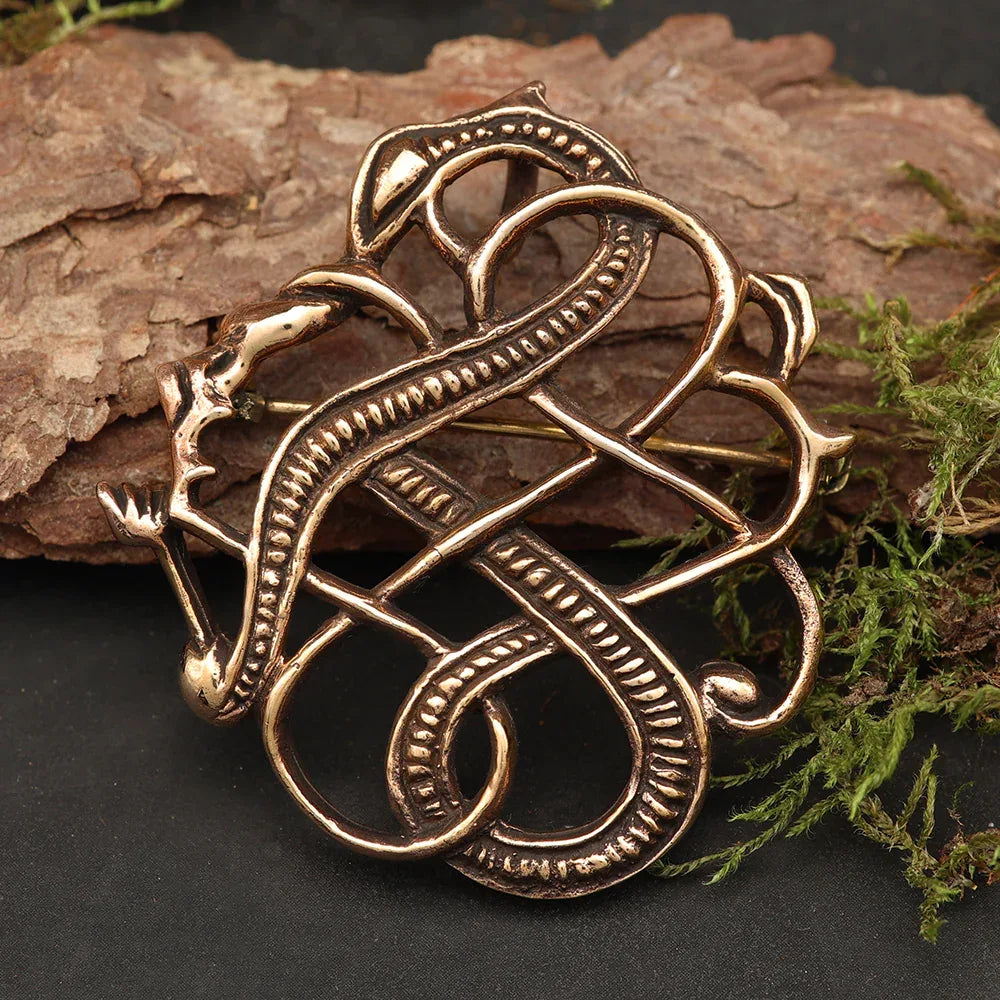
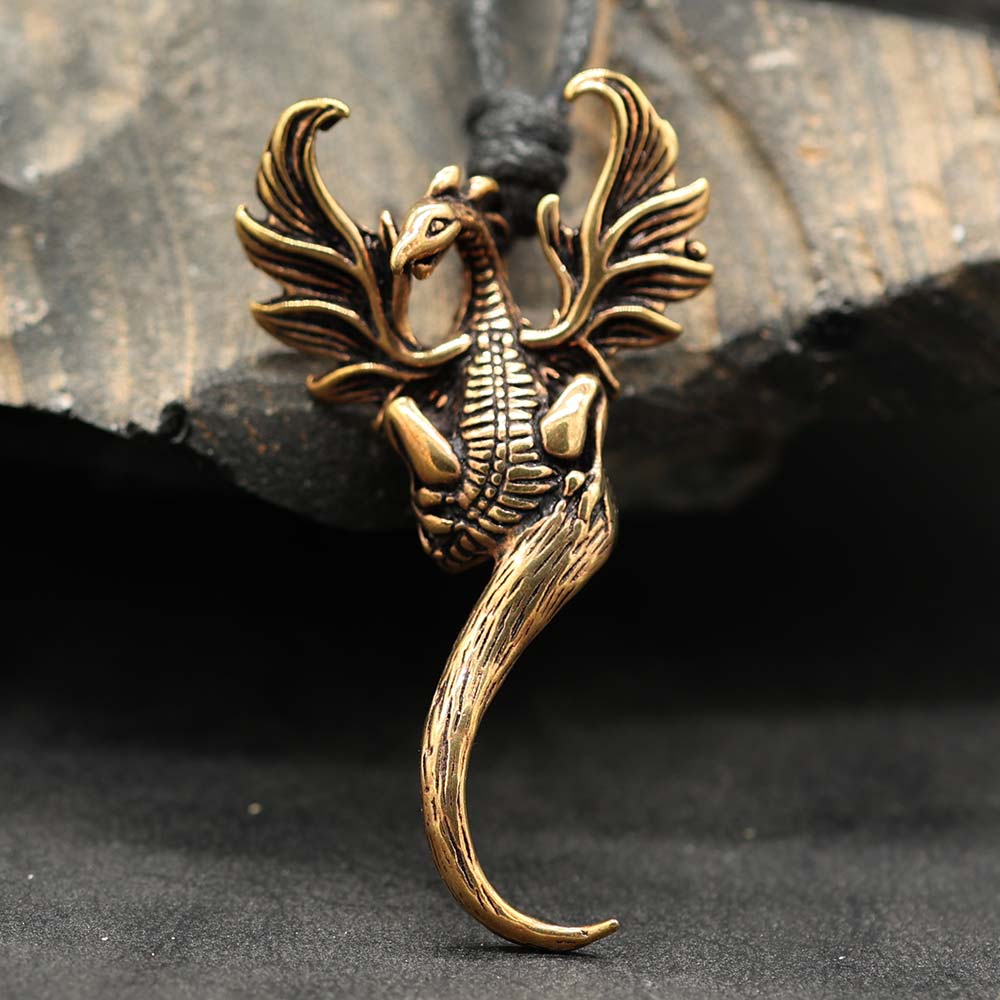
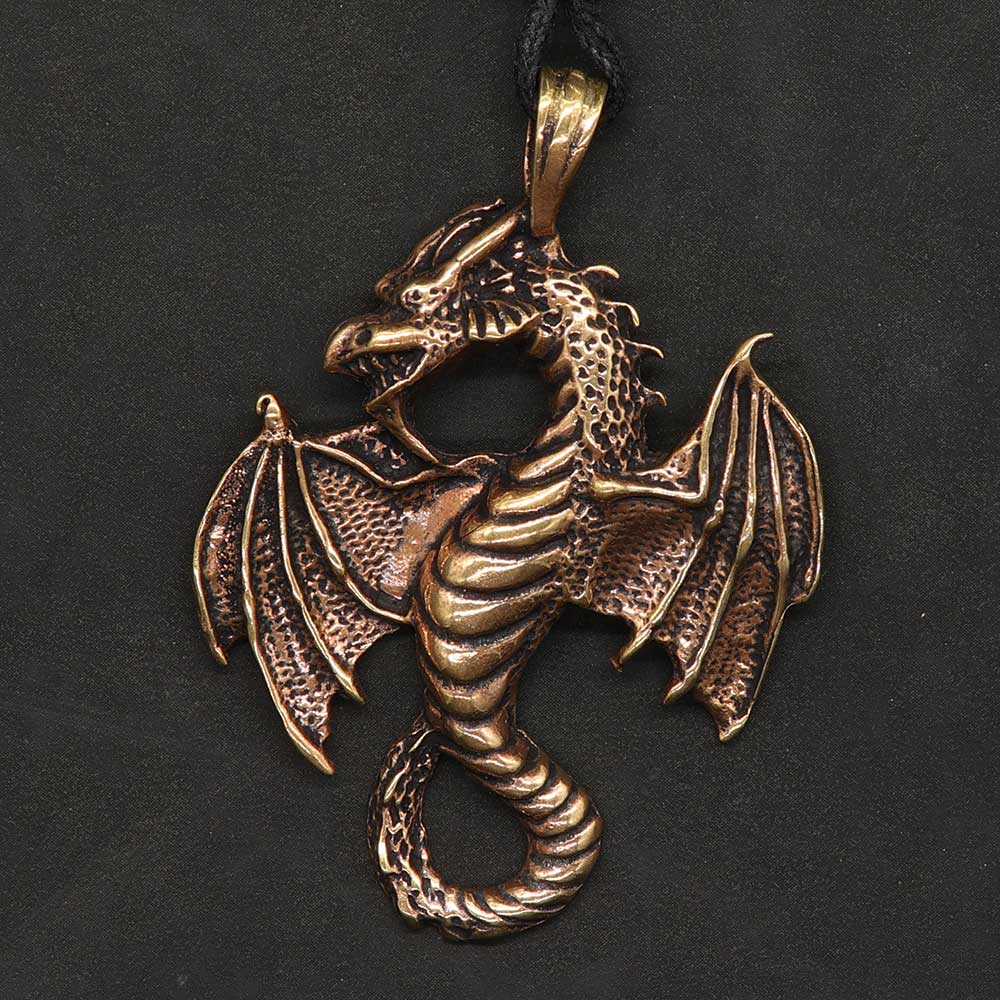
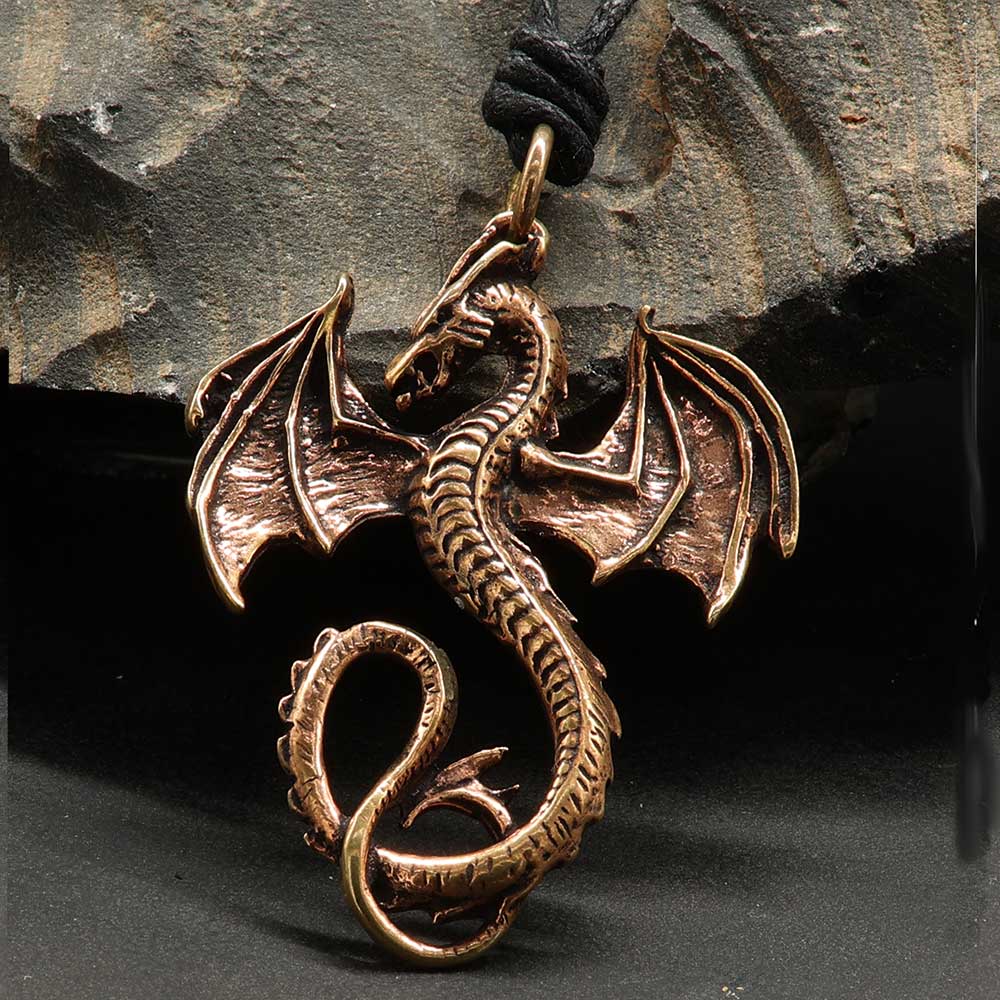
Dragons are experiencing a renaissance in fantasy culture. They have likely inhabited the world since humans first developed imagination and thought. Depictions of dragons are known to exist that are over 6,000 years old. The dragon is also mentioned in the Bible, where it is portrayed as the epitome of the devil. In China, the dragon is considered a bringer of good fortune. Today, the dragon's meaning is not uniform; it can represent both good and evil. It's astonishing that almost everyone in the world has heard of dragons. But the last time they were actually seen was around the Middle Ages, a time when unicorns and werewolves also existed. Hunting humans and guarding treasure are generally accepted as dragon pastimes. However, it's not certain that every treasure would be considered worthy of protection today. Dragons in 2010 would probably be guarding entirely different things. Instead of springs and maidens, they would be protecting flat-screen TVs, sleek sports cars, silver jewelry, or a Bang & Olufsen sound system. Although it might be difficult to receive anything, because as we all know, dragons prefer to live in simply designed caves or on windy mountaintops.
It is not proven that dragons lay eggs, and consequently, that dragons hatch from them. Since female dragons are rarely, if ever, mentioned in historical accounts, the question arises: which came first, the dragon or the egg? It is likely that dragons are not only cursed as dragons, but also forced to fly, crawl, and swim through life as hermaphroditic beings, without sex. This life, it is said, is exceptionally long. Some are even said to be immortal. Whether this is an advantage in this case, however, remains an open question.
Should such a dragon ever get fed up with his life, all he can do is hope that one day a brave dragon slayer will come along. He just needs to be into flat-screen TVs instead of virgins.