



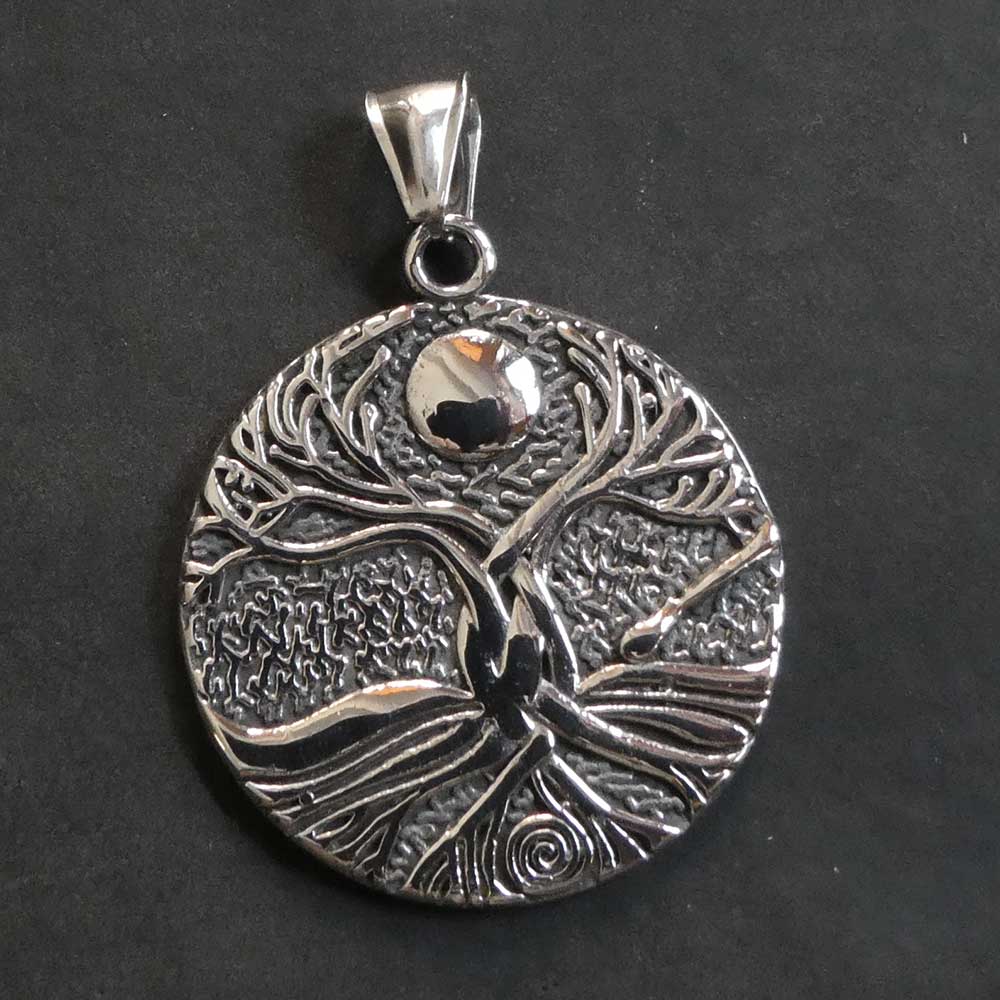
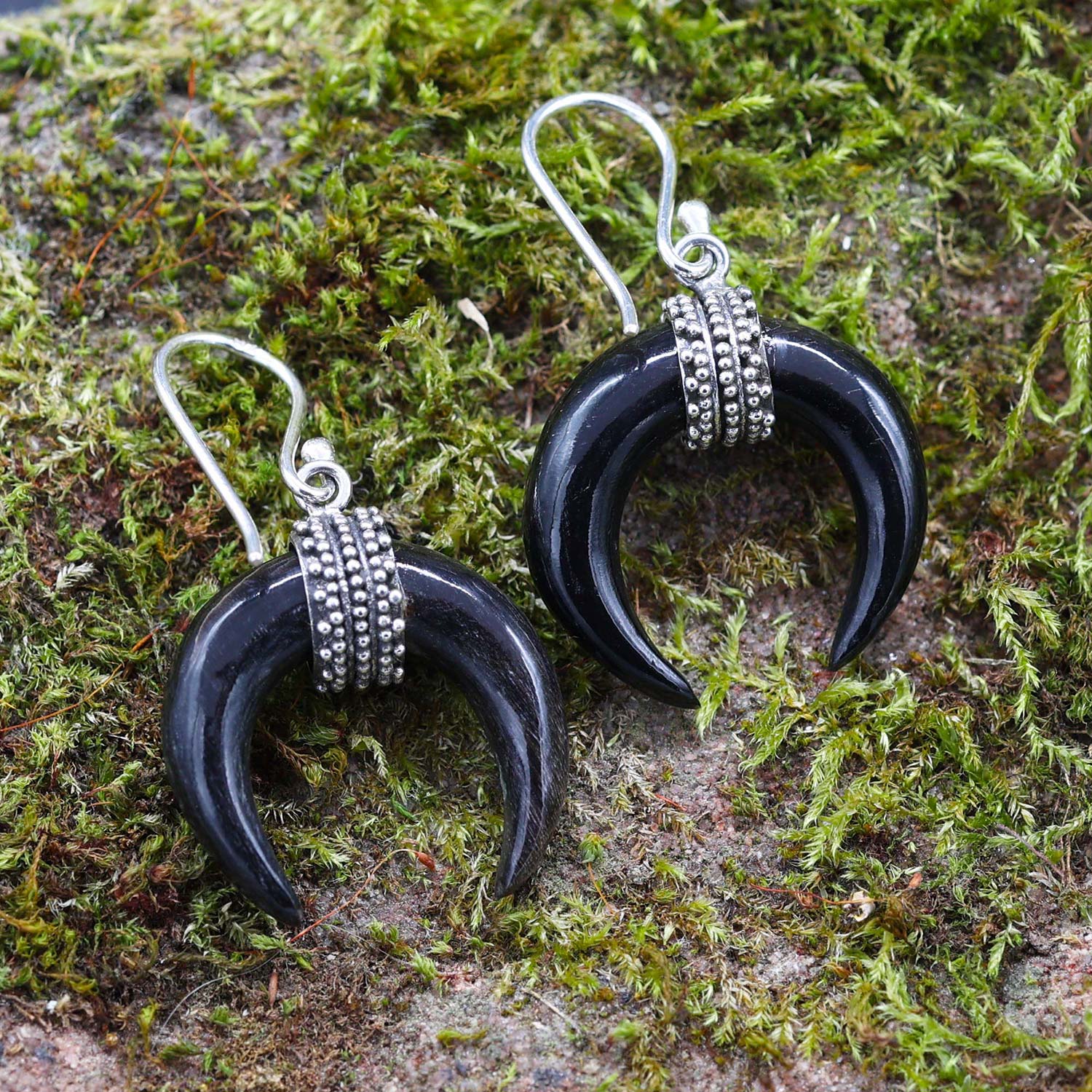
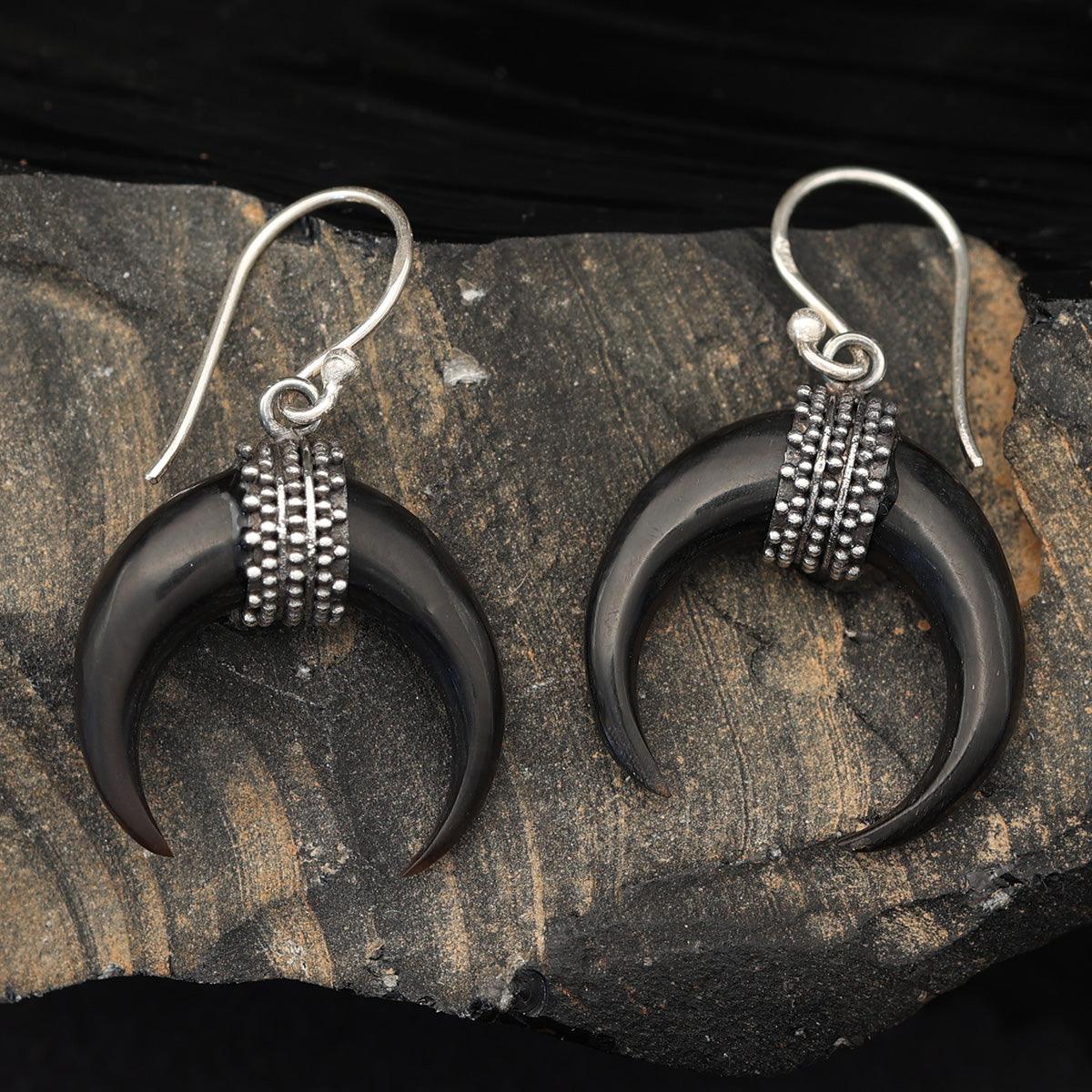
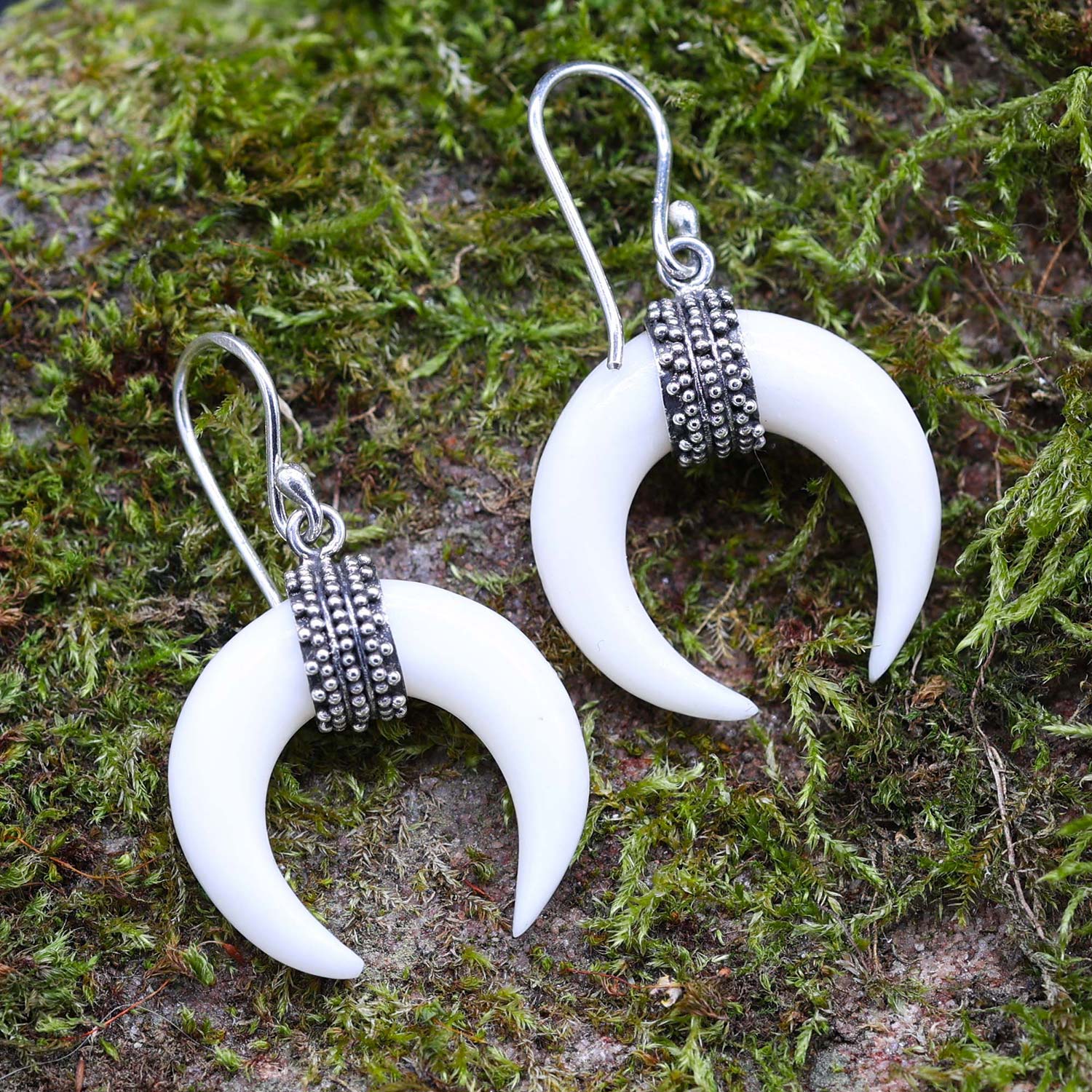






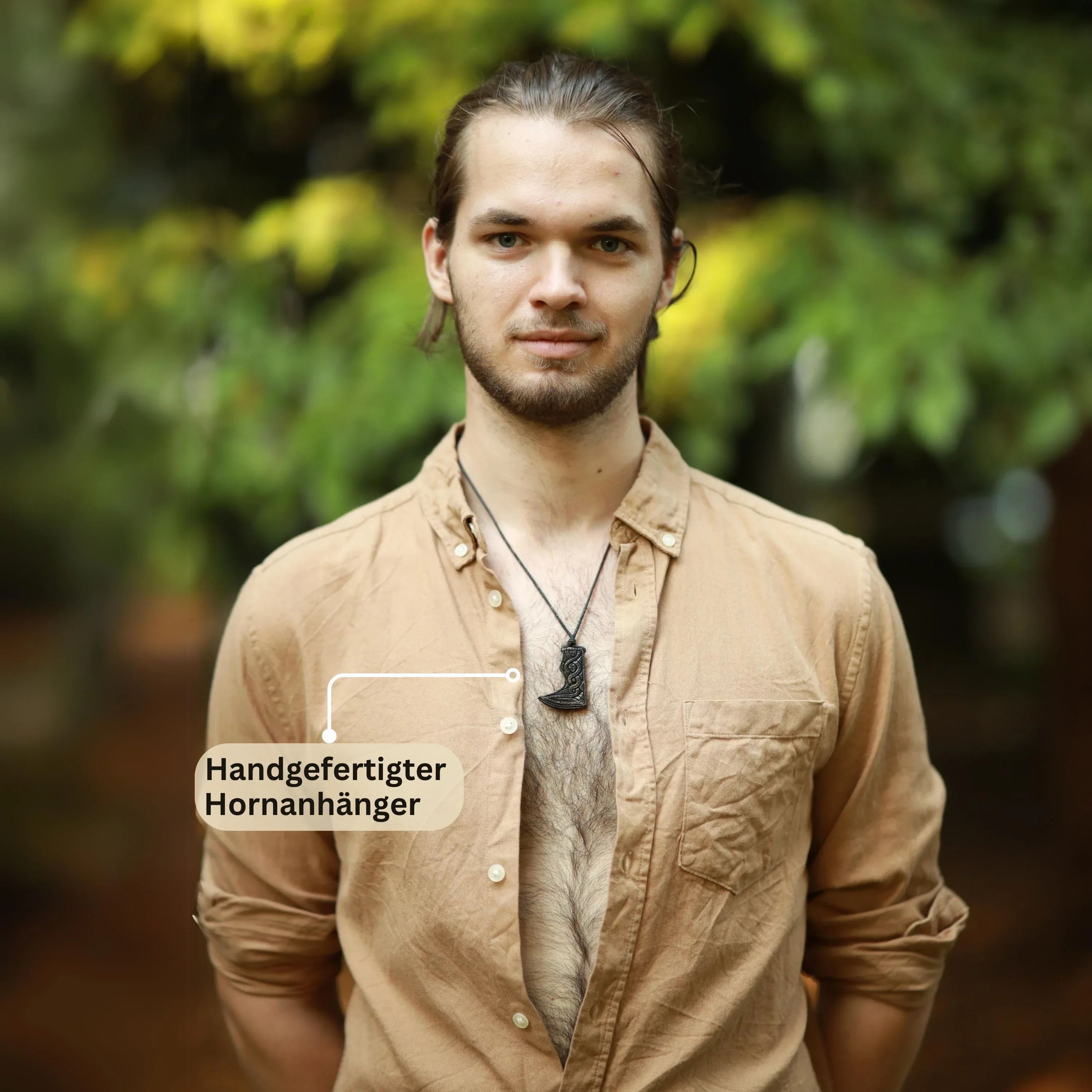

Just like in the old days
Viking jewelry
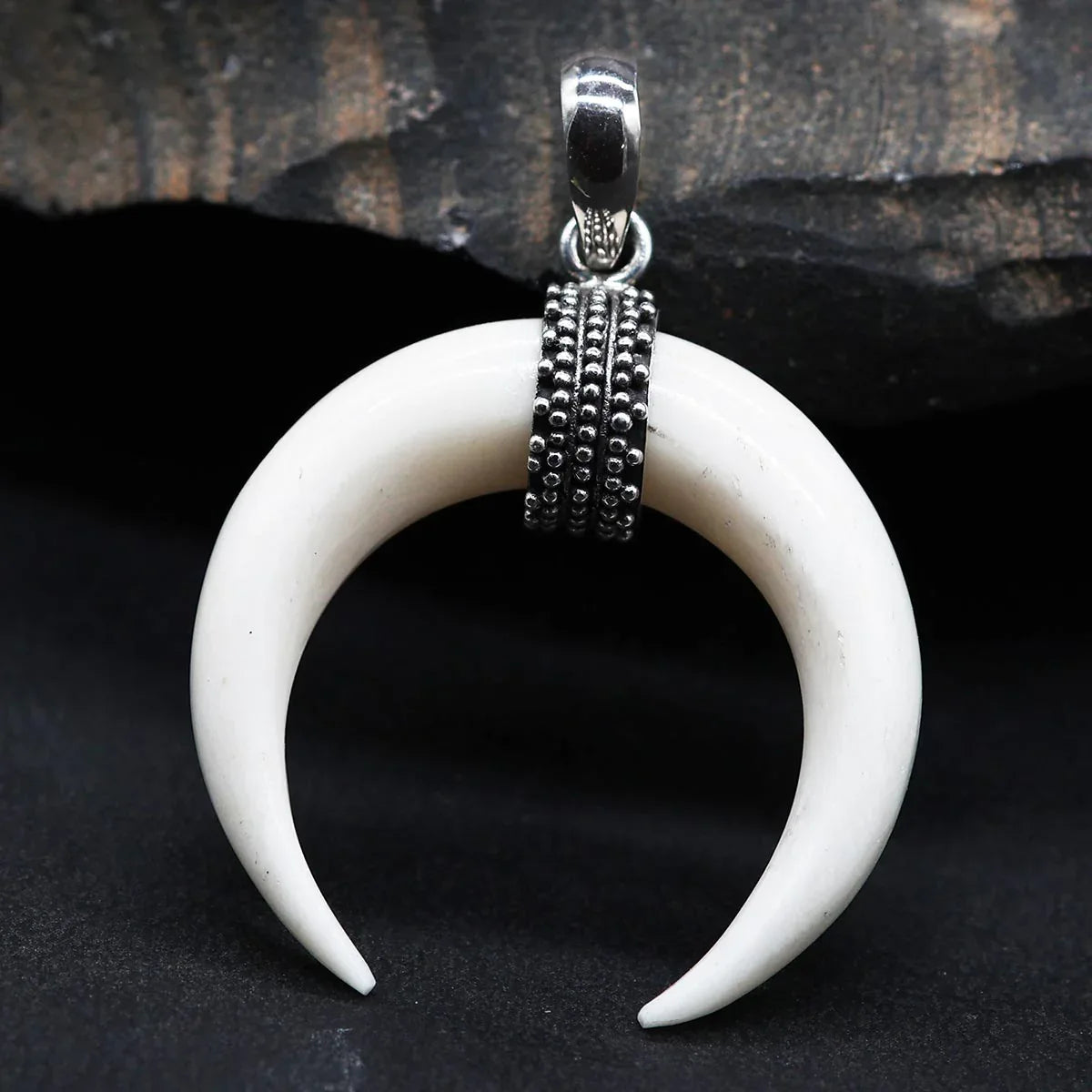
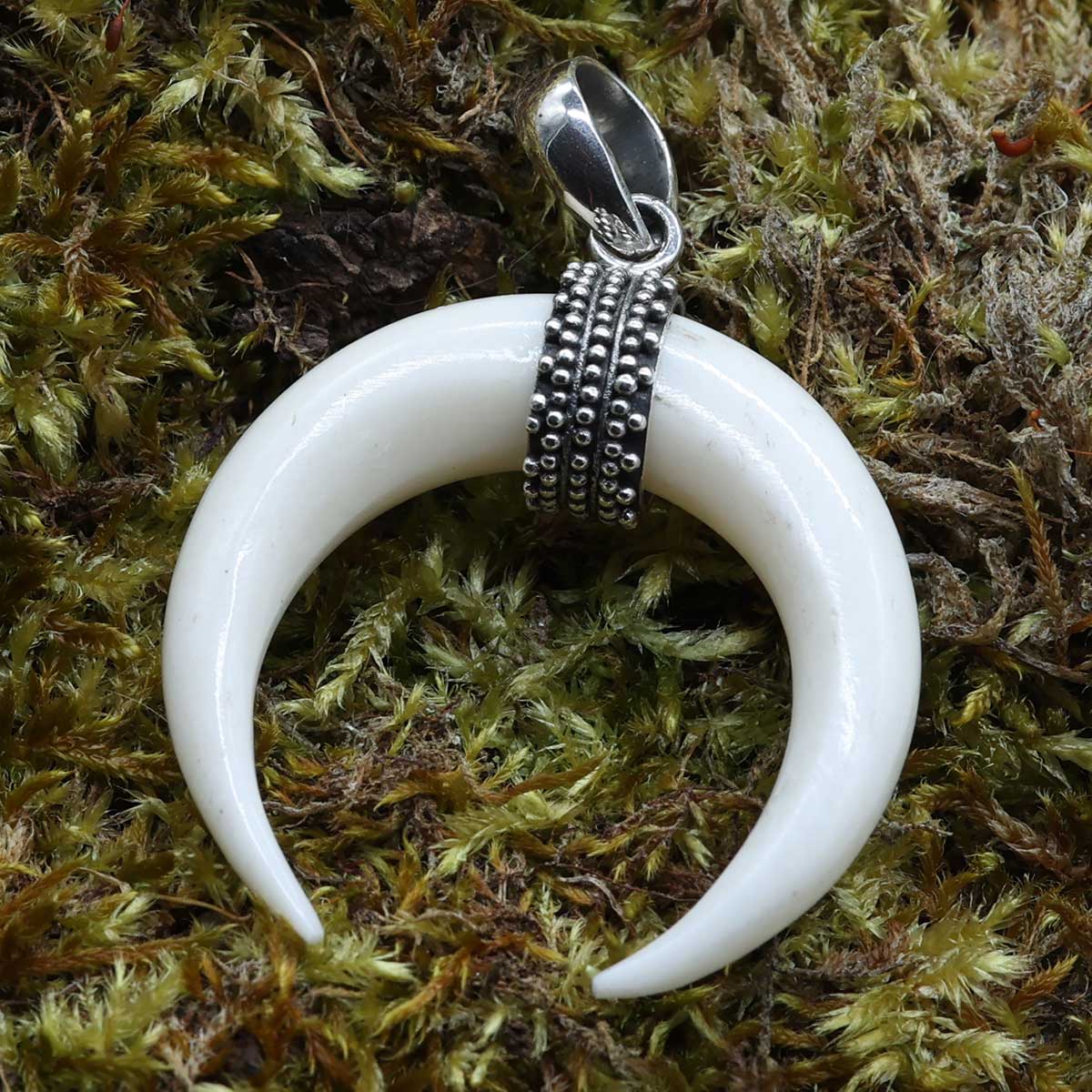
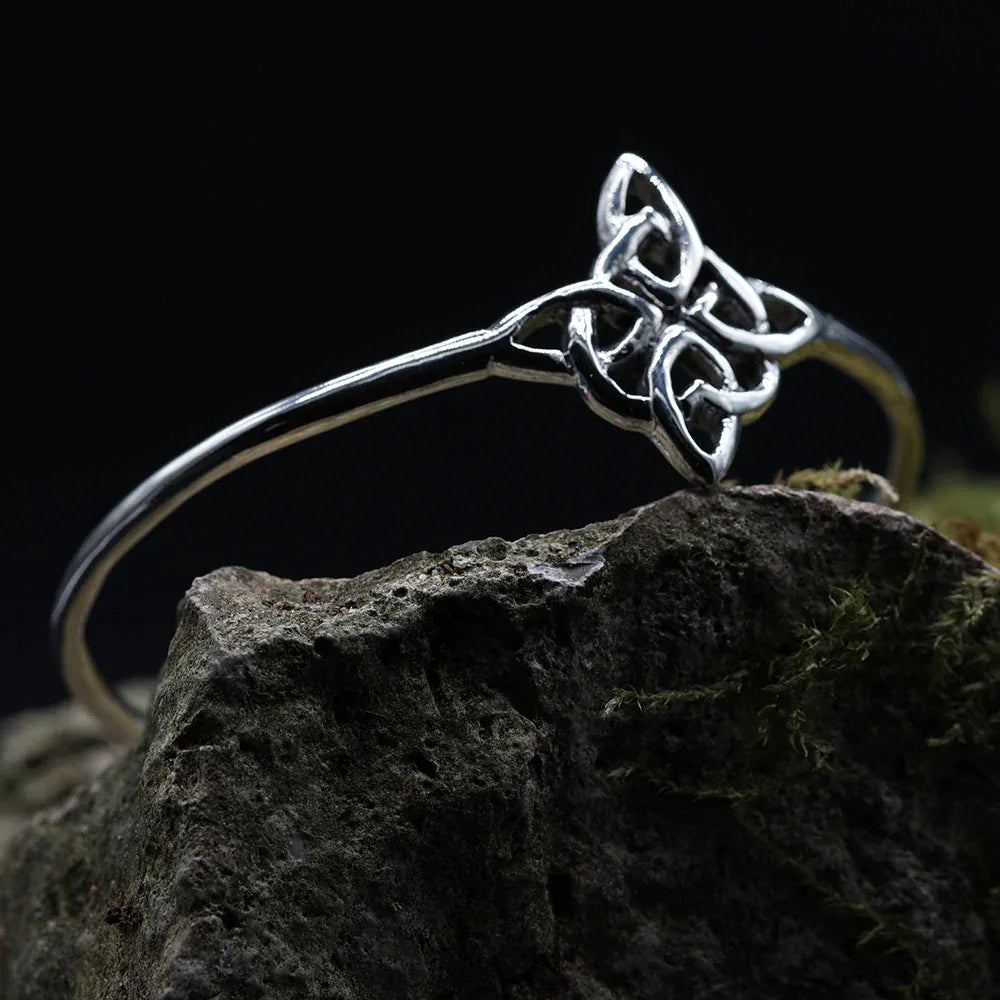
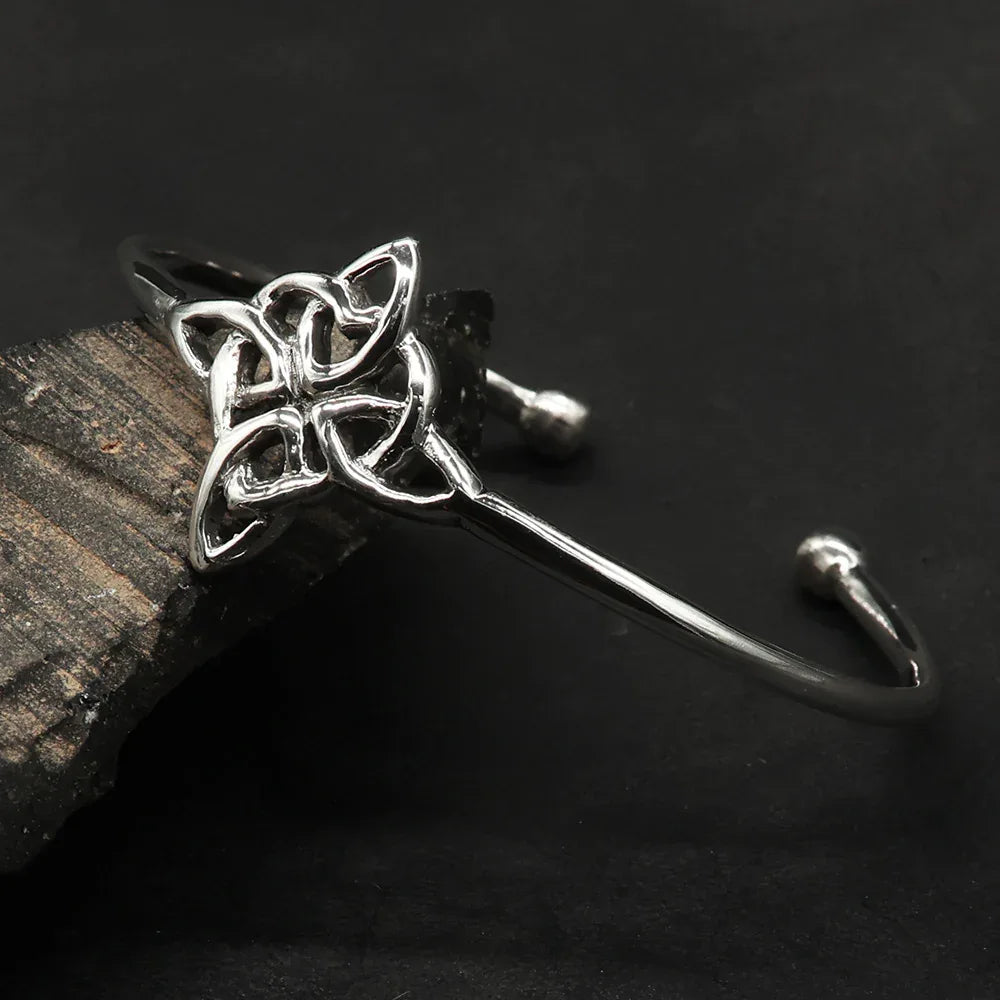
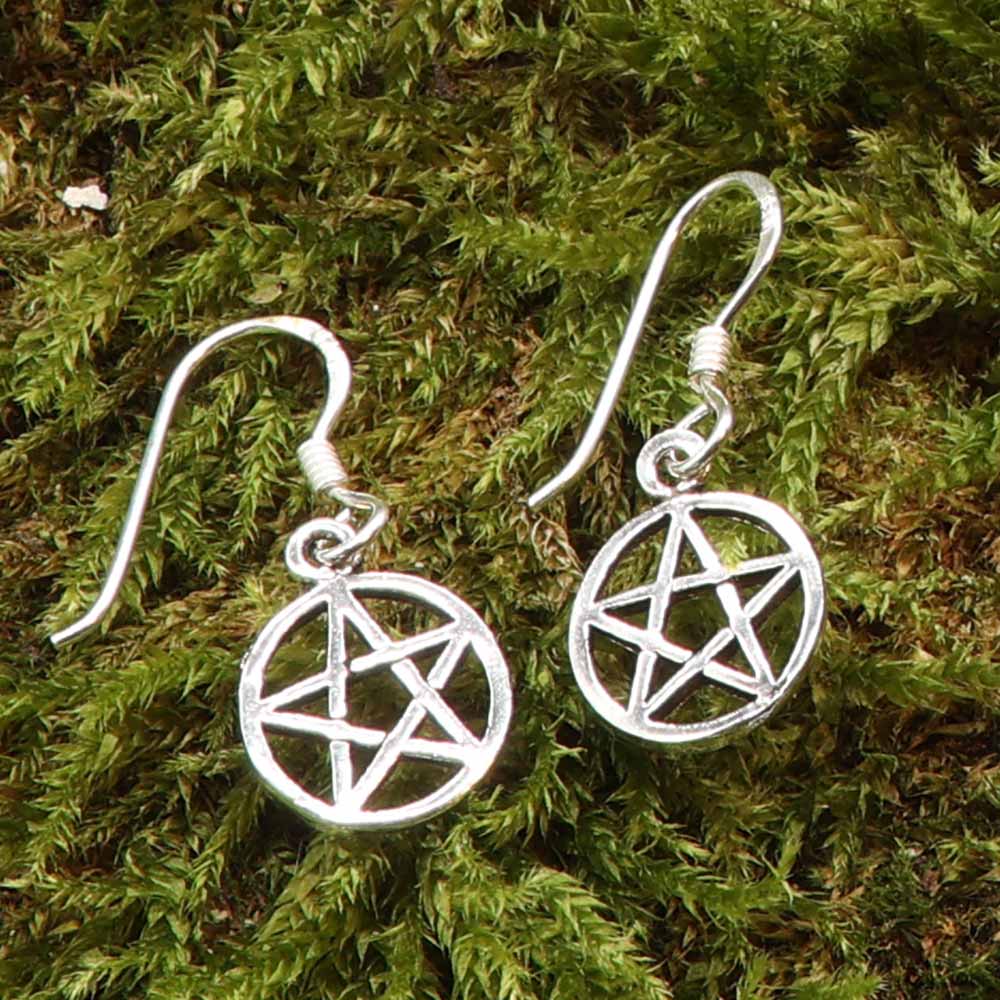
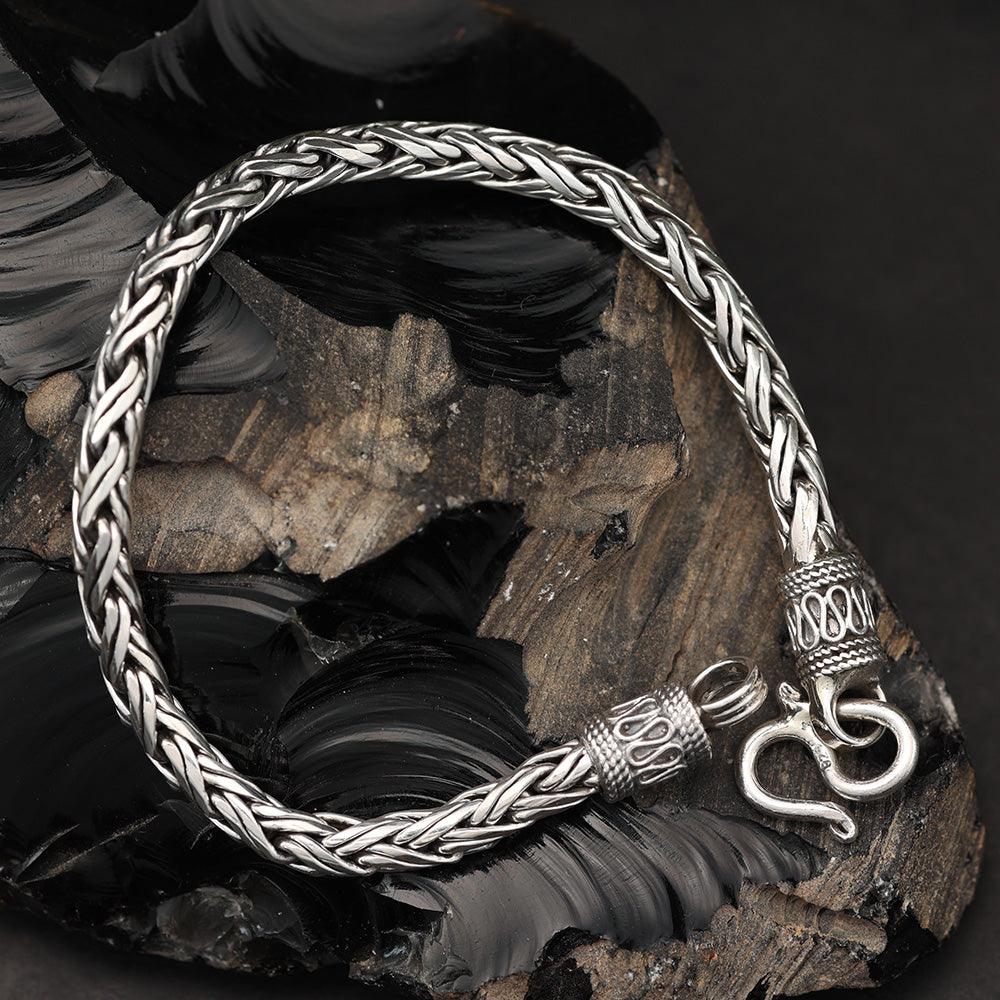
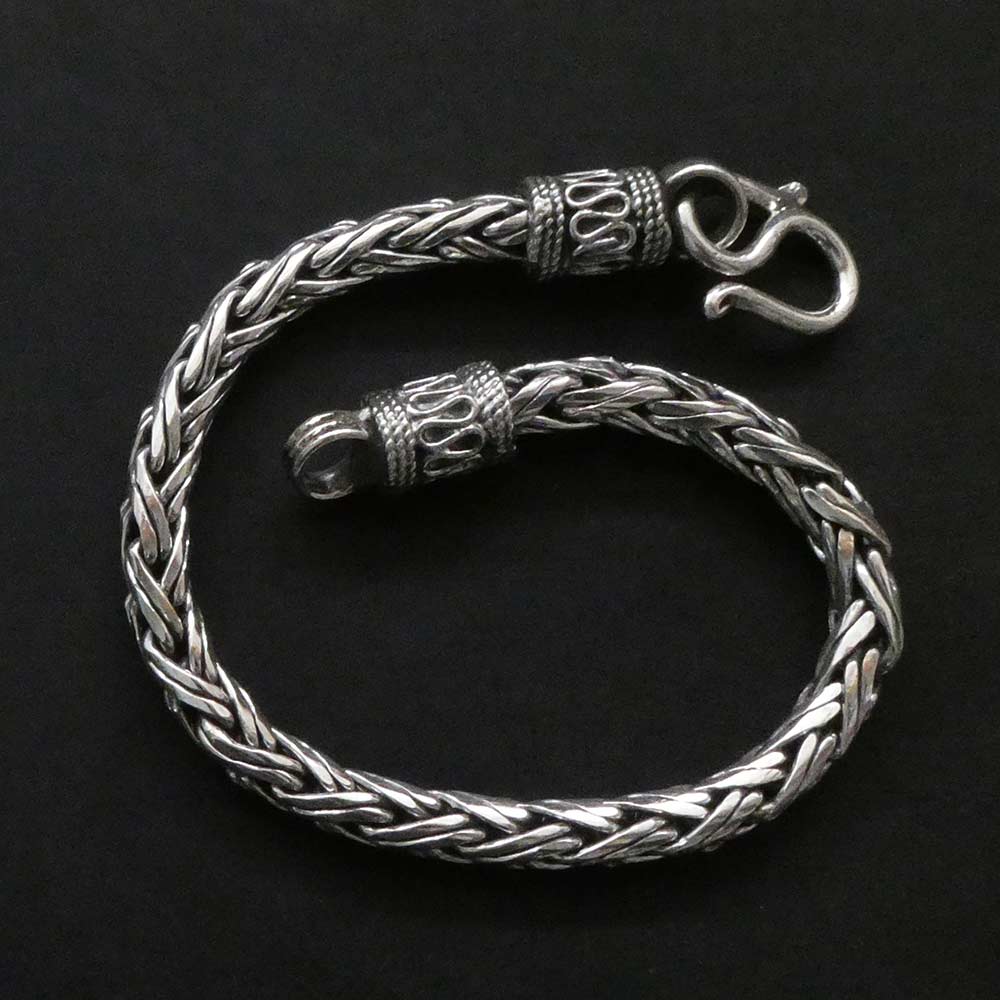
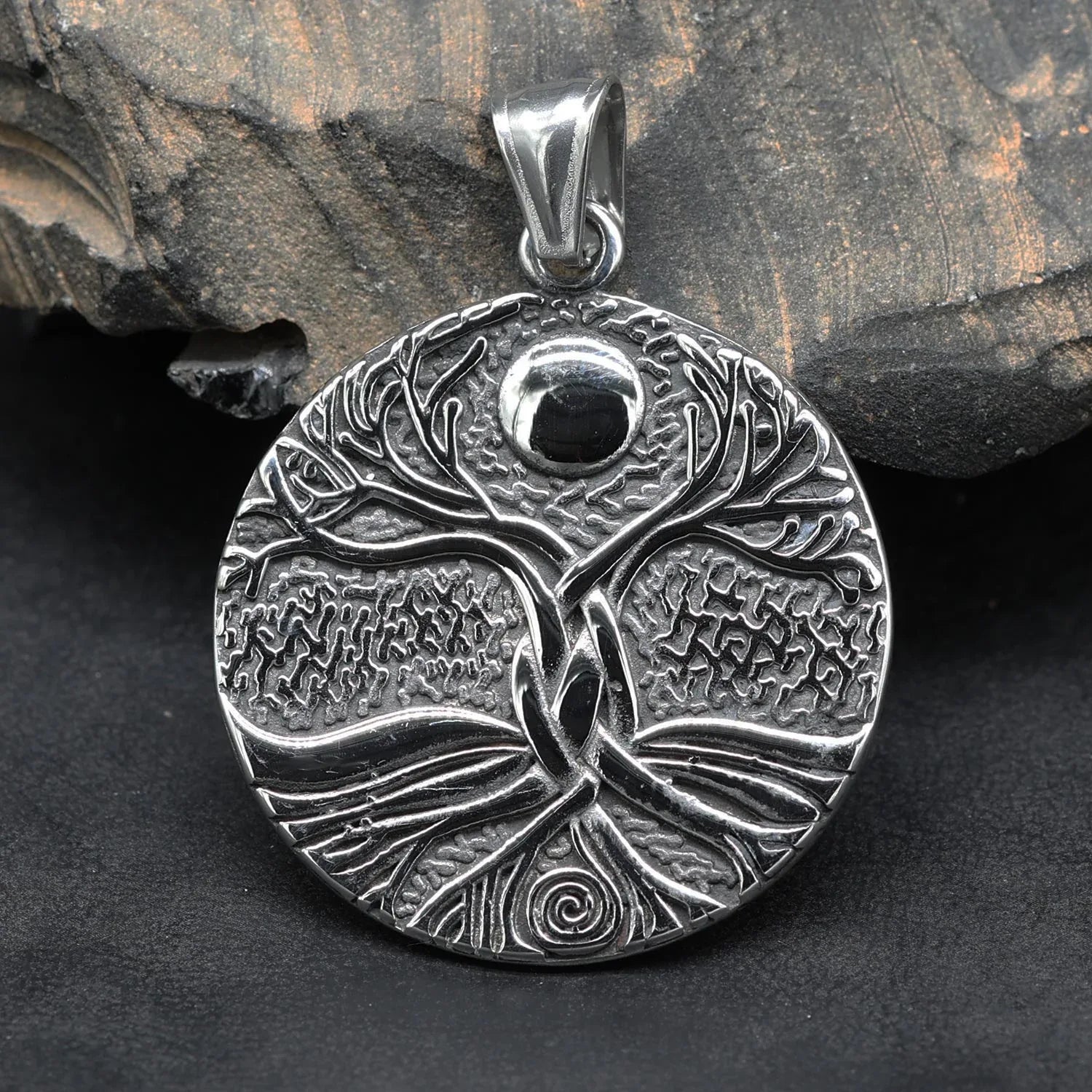
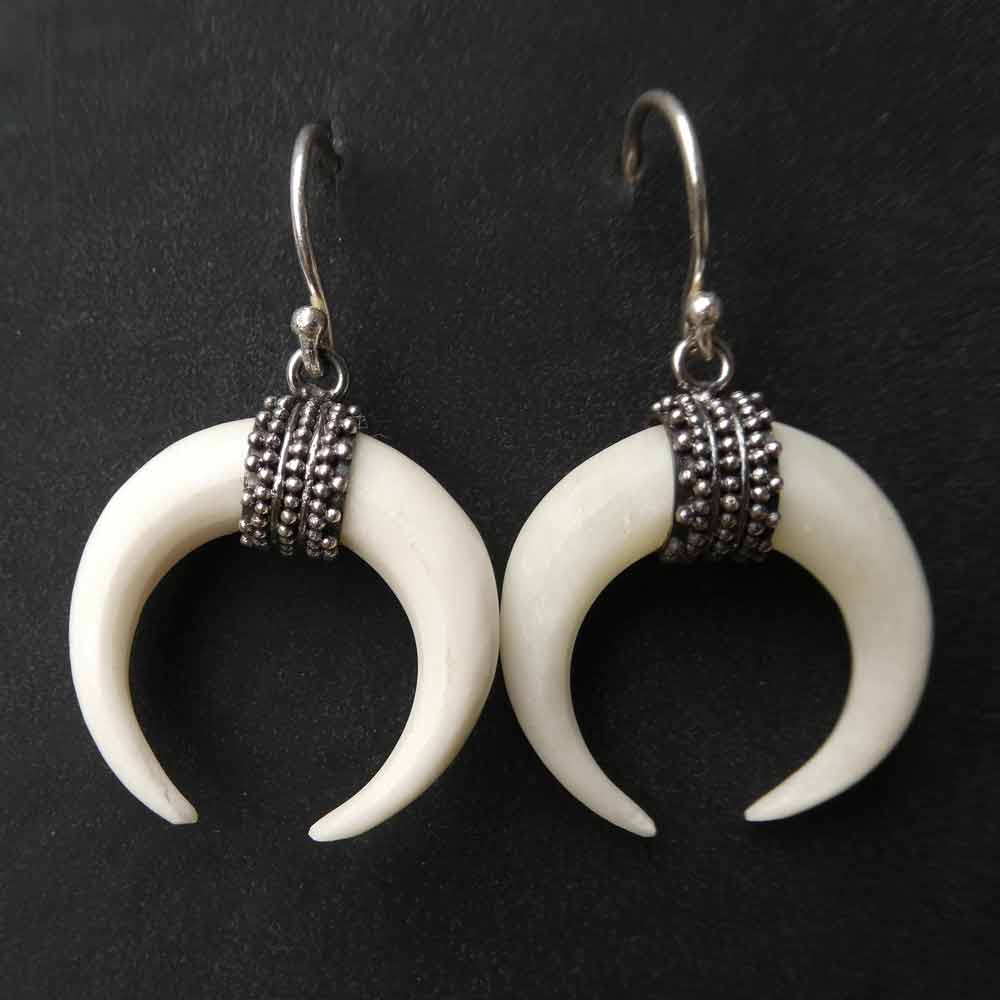
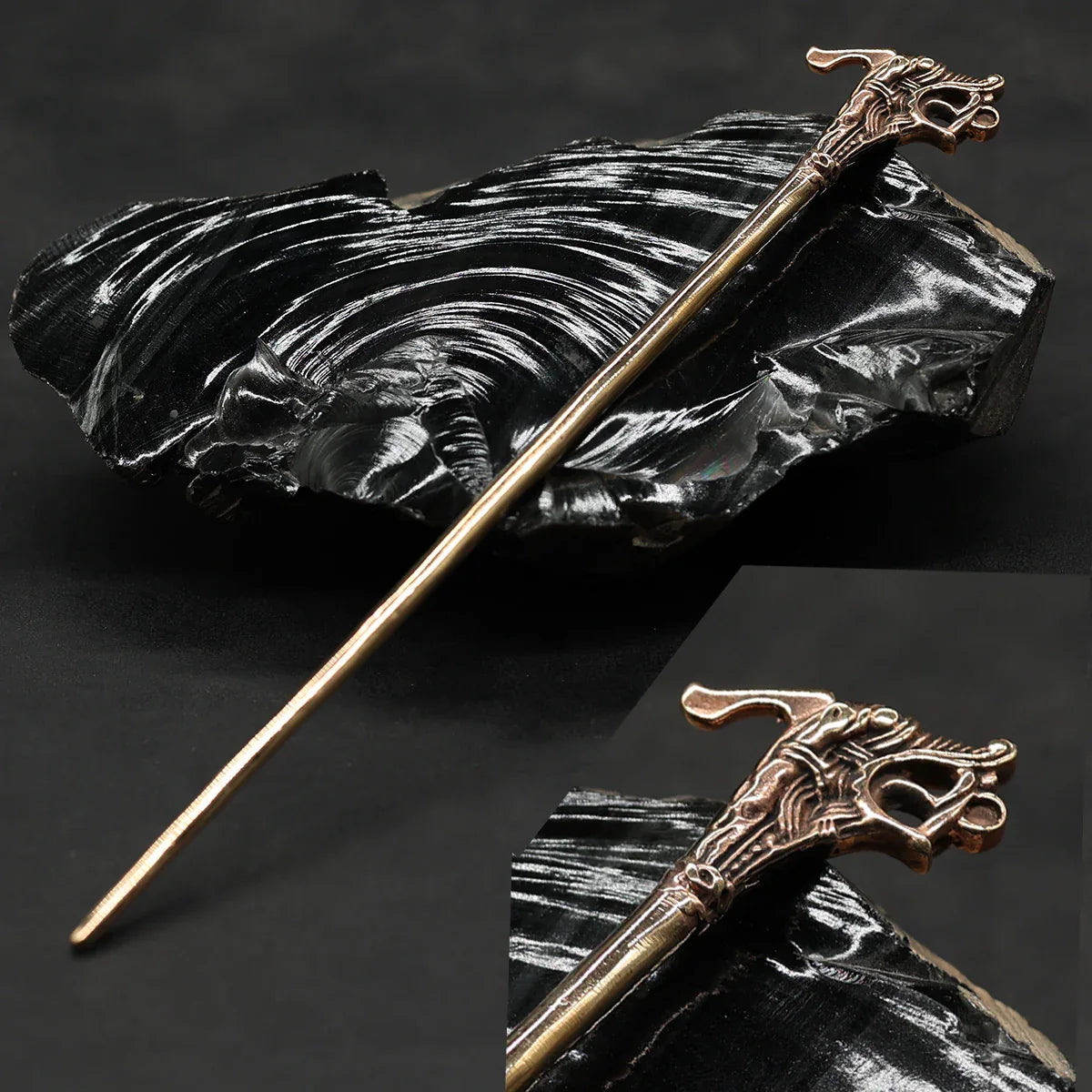
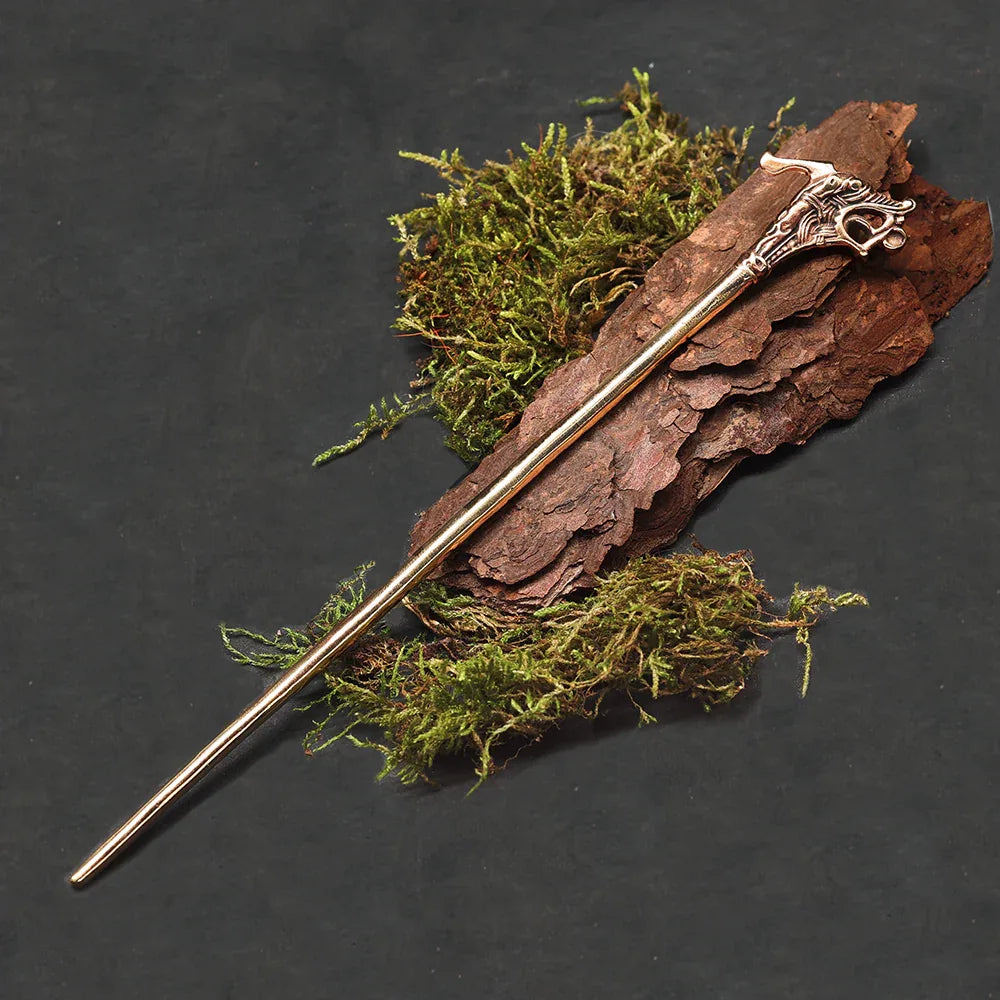
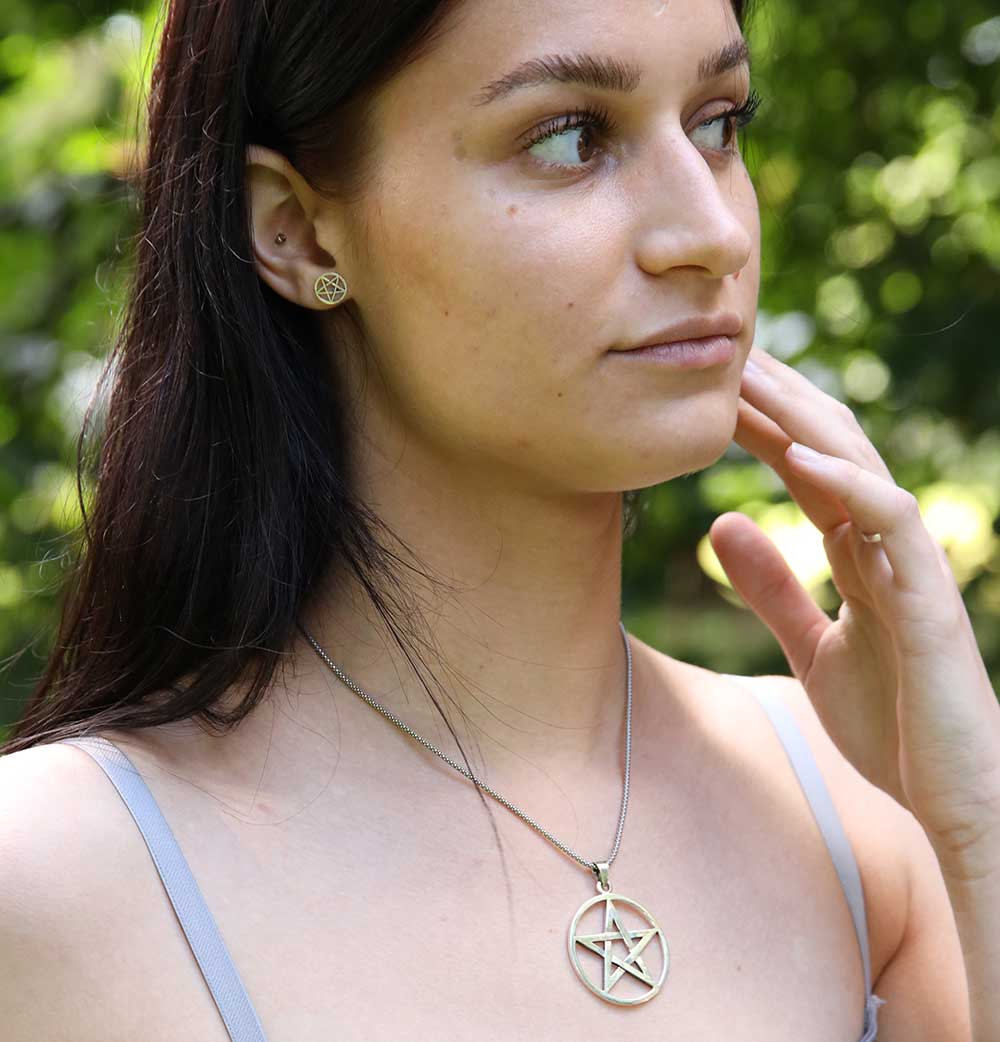
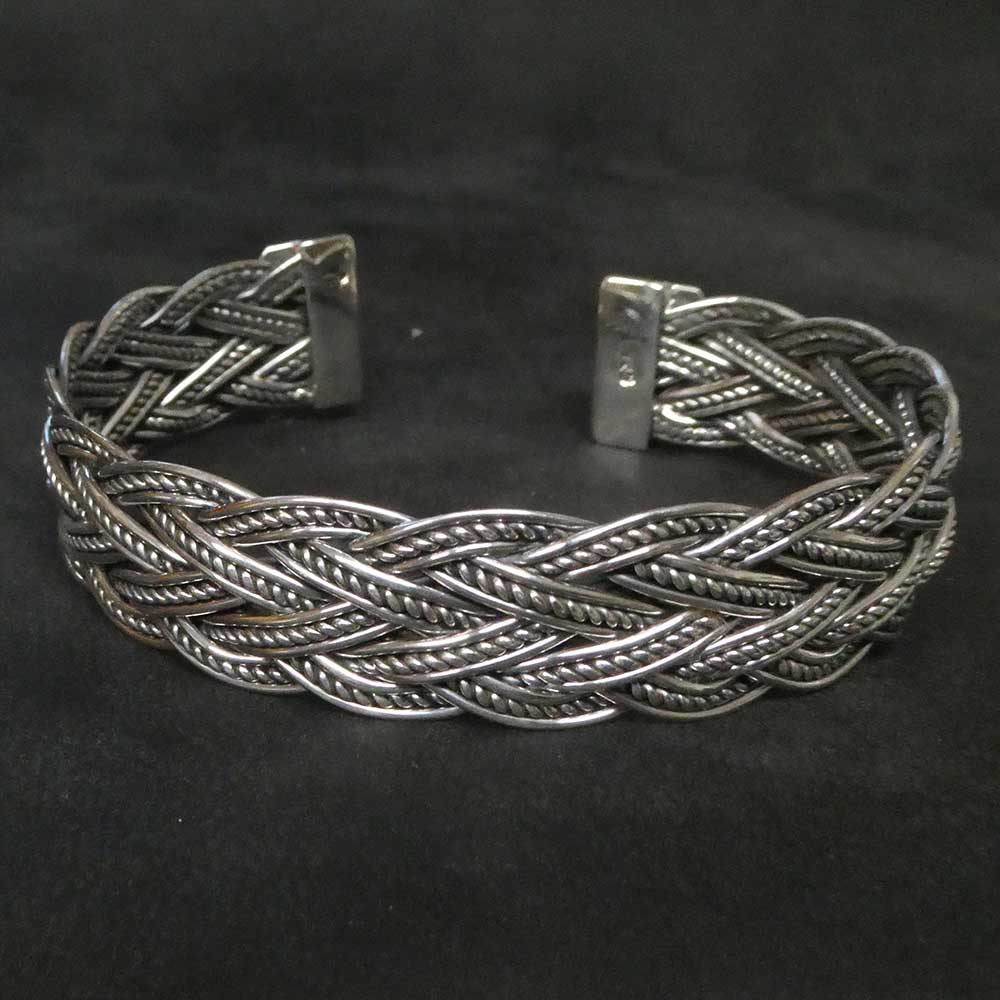
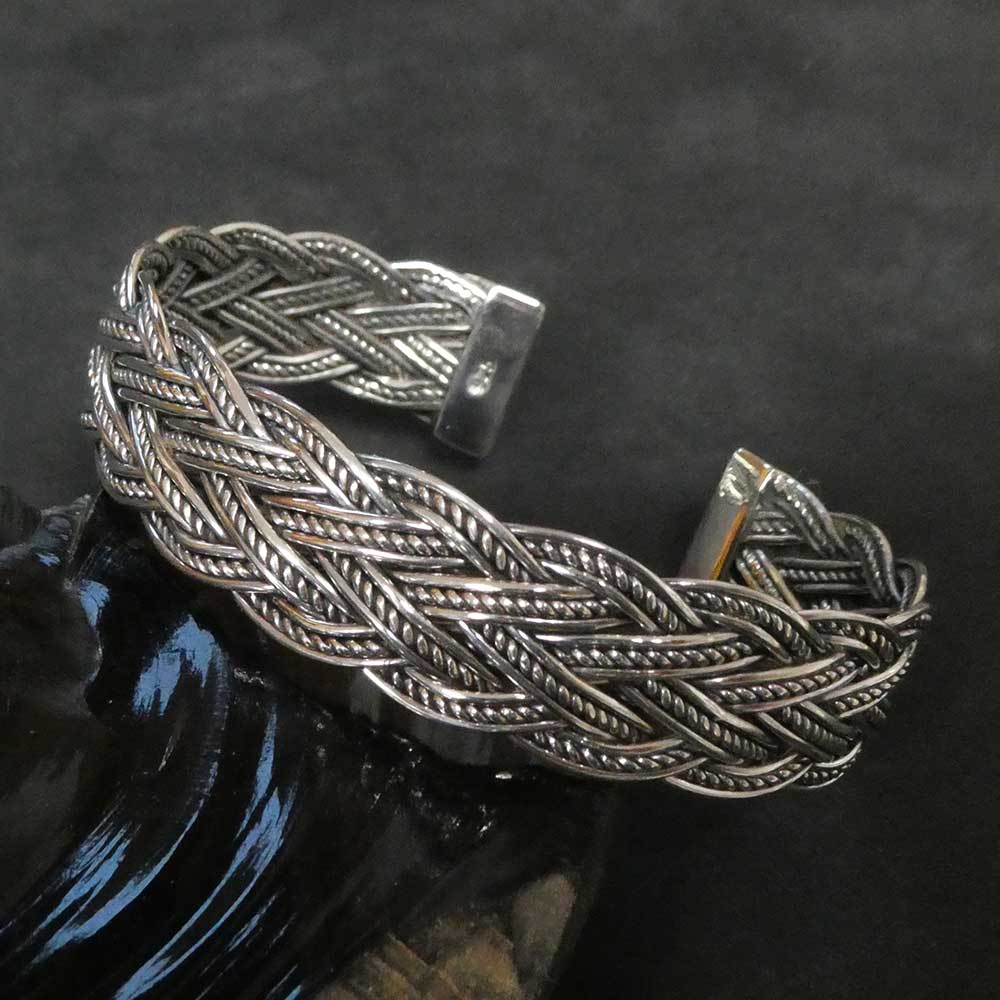
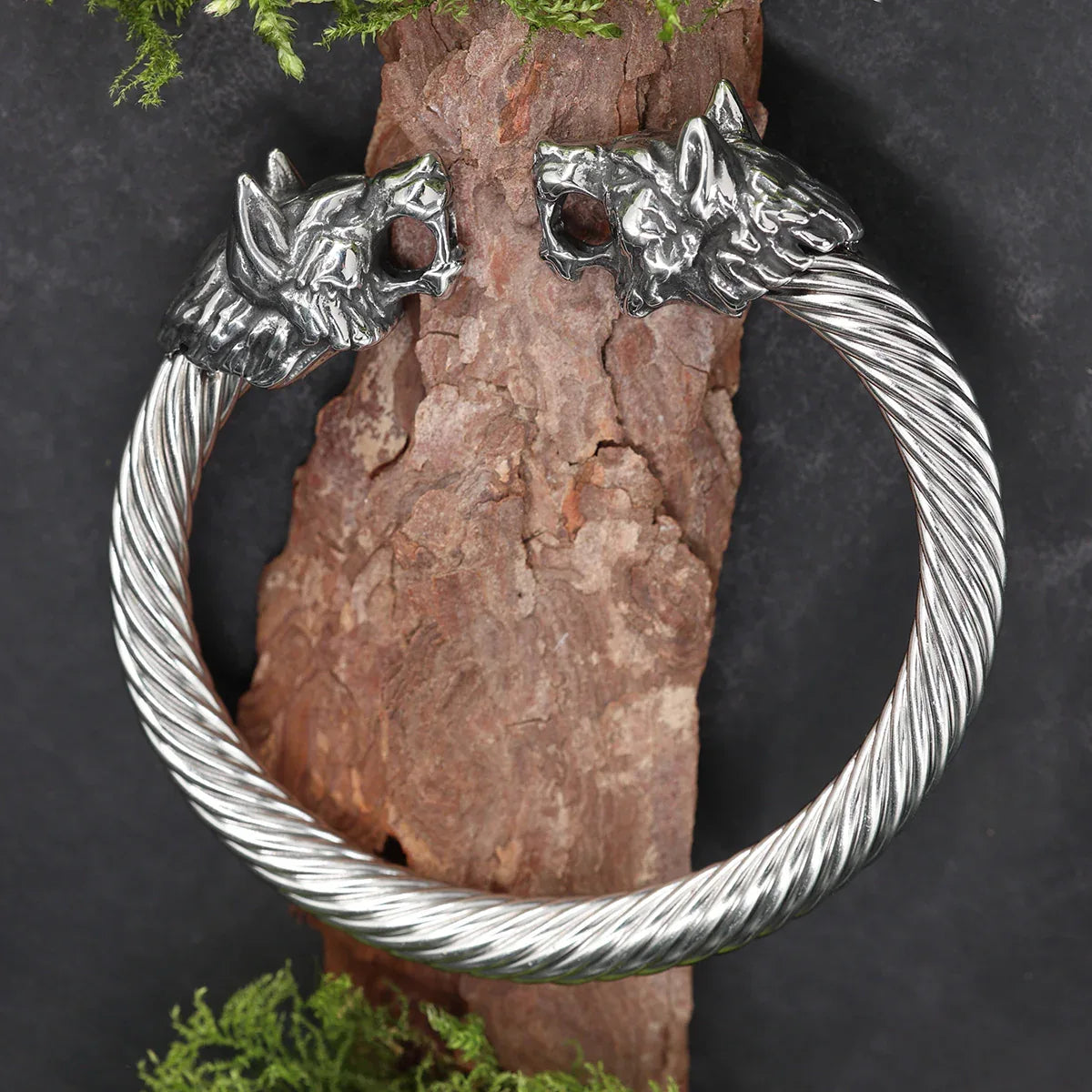
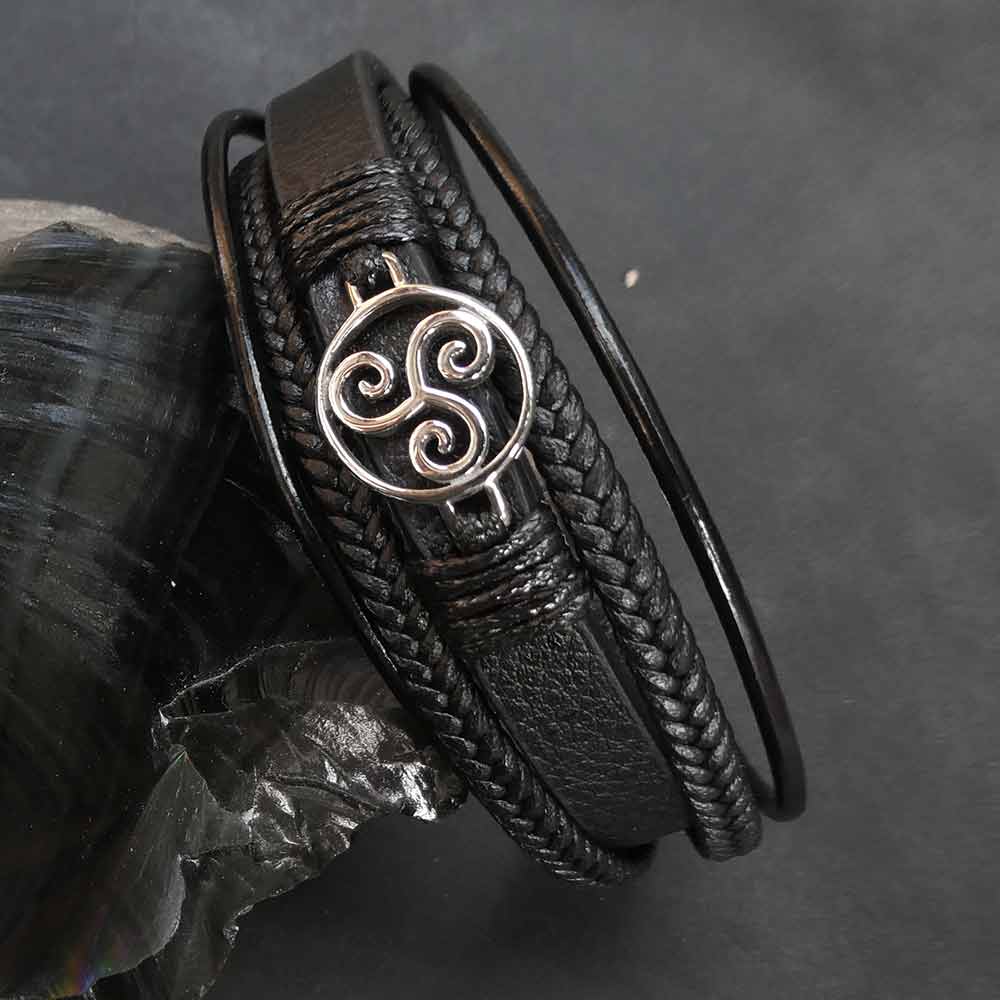
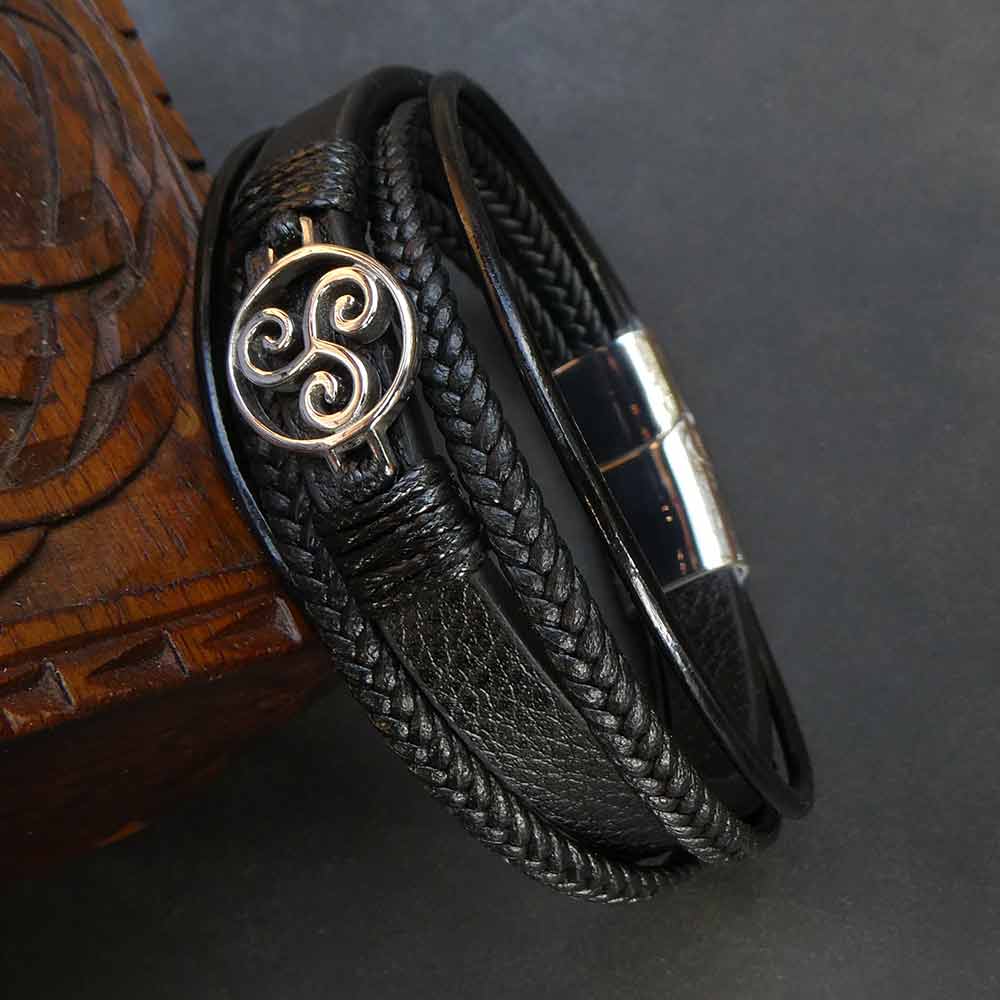
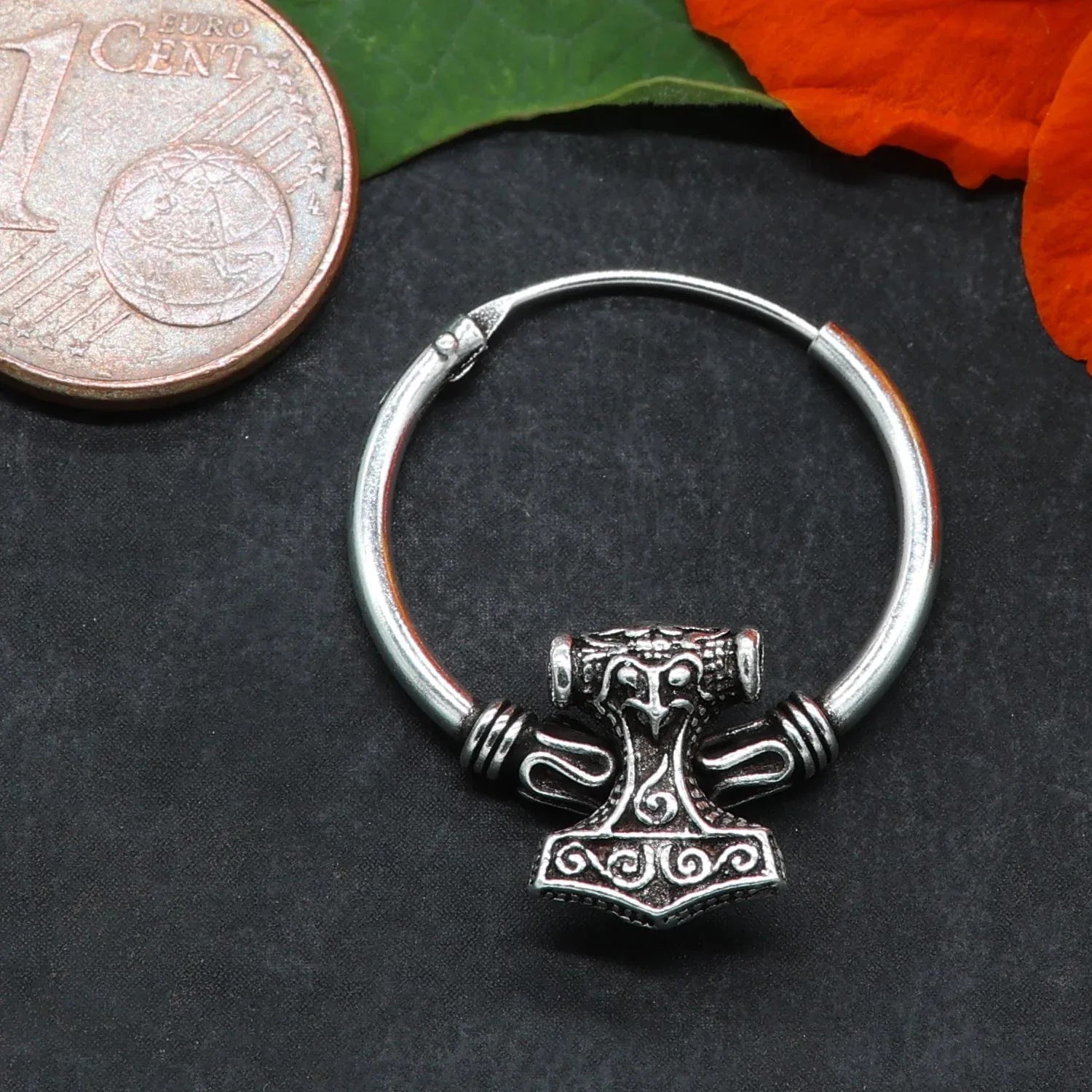
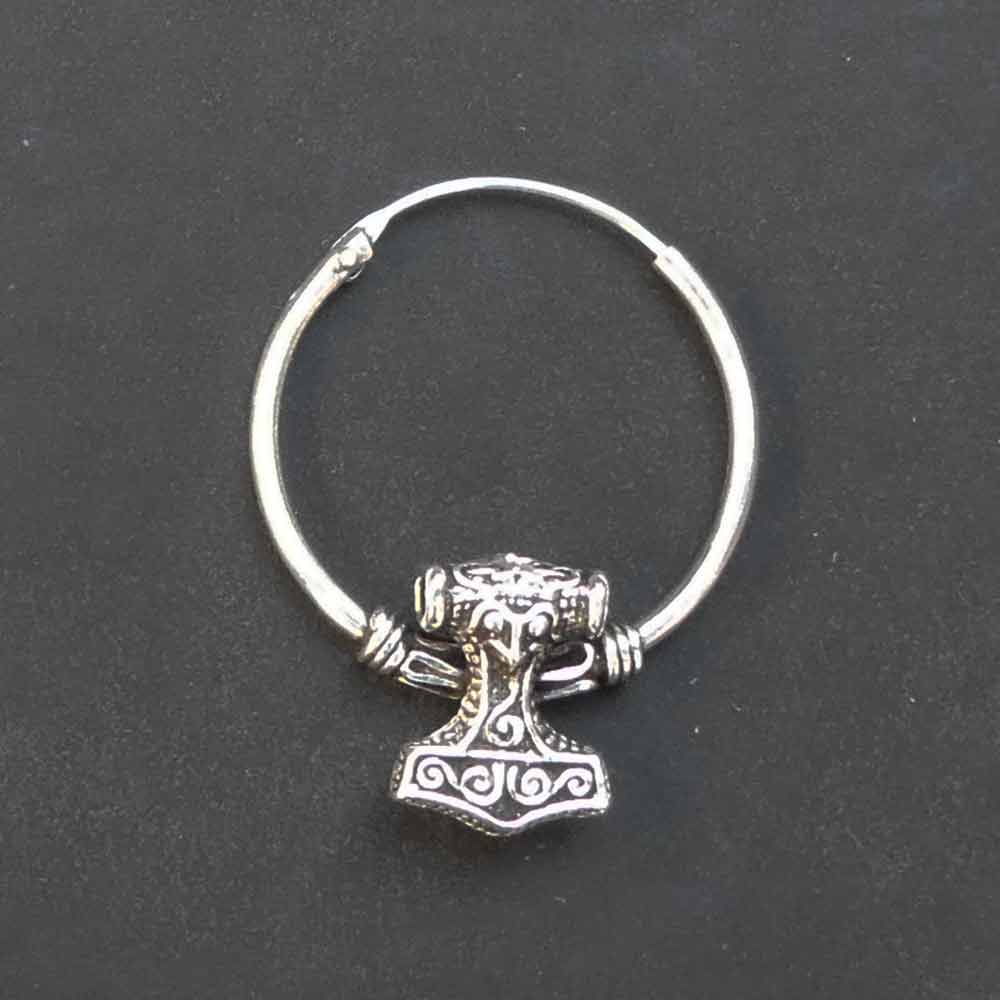
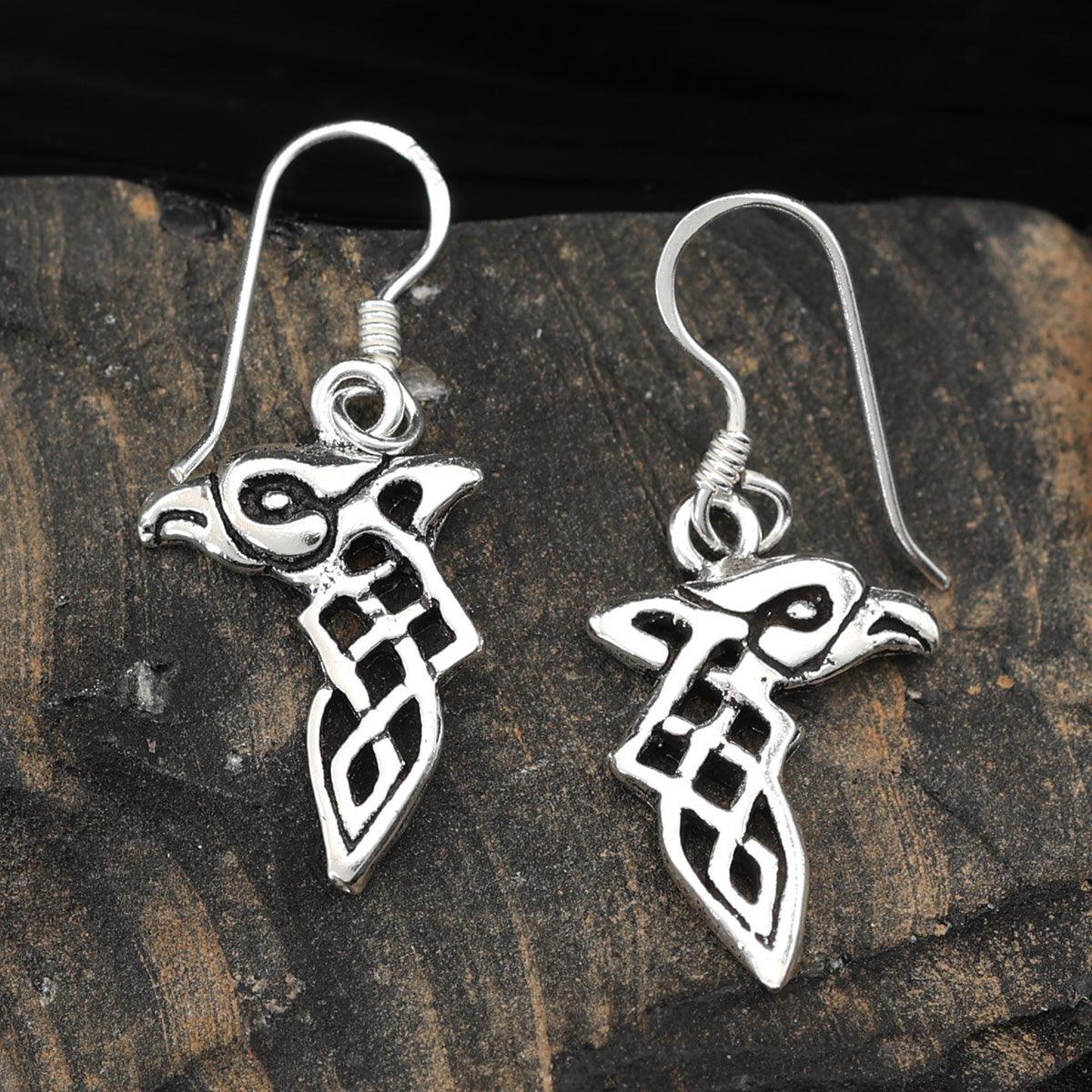
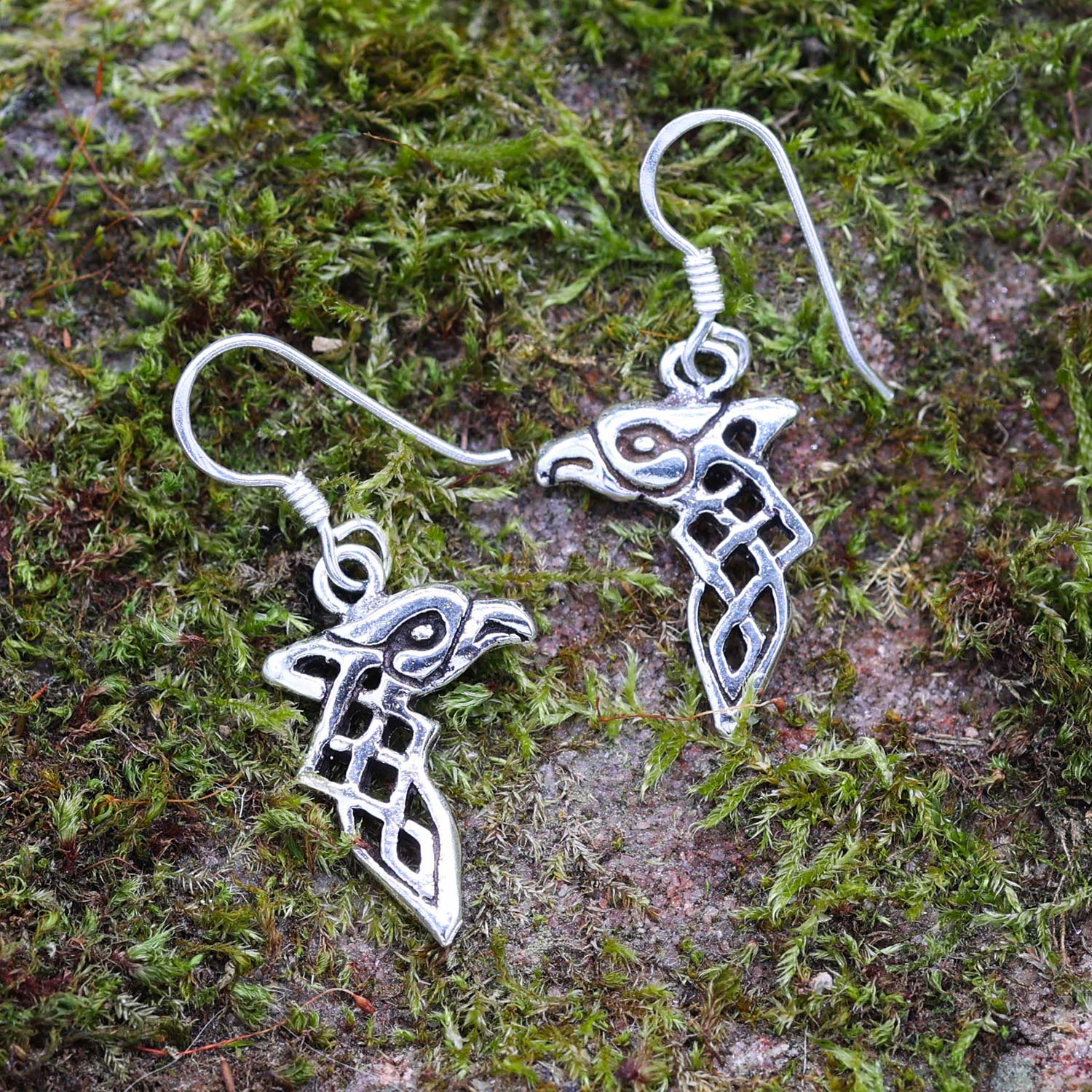
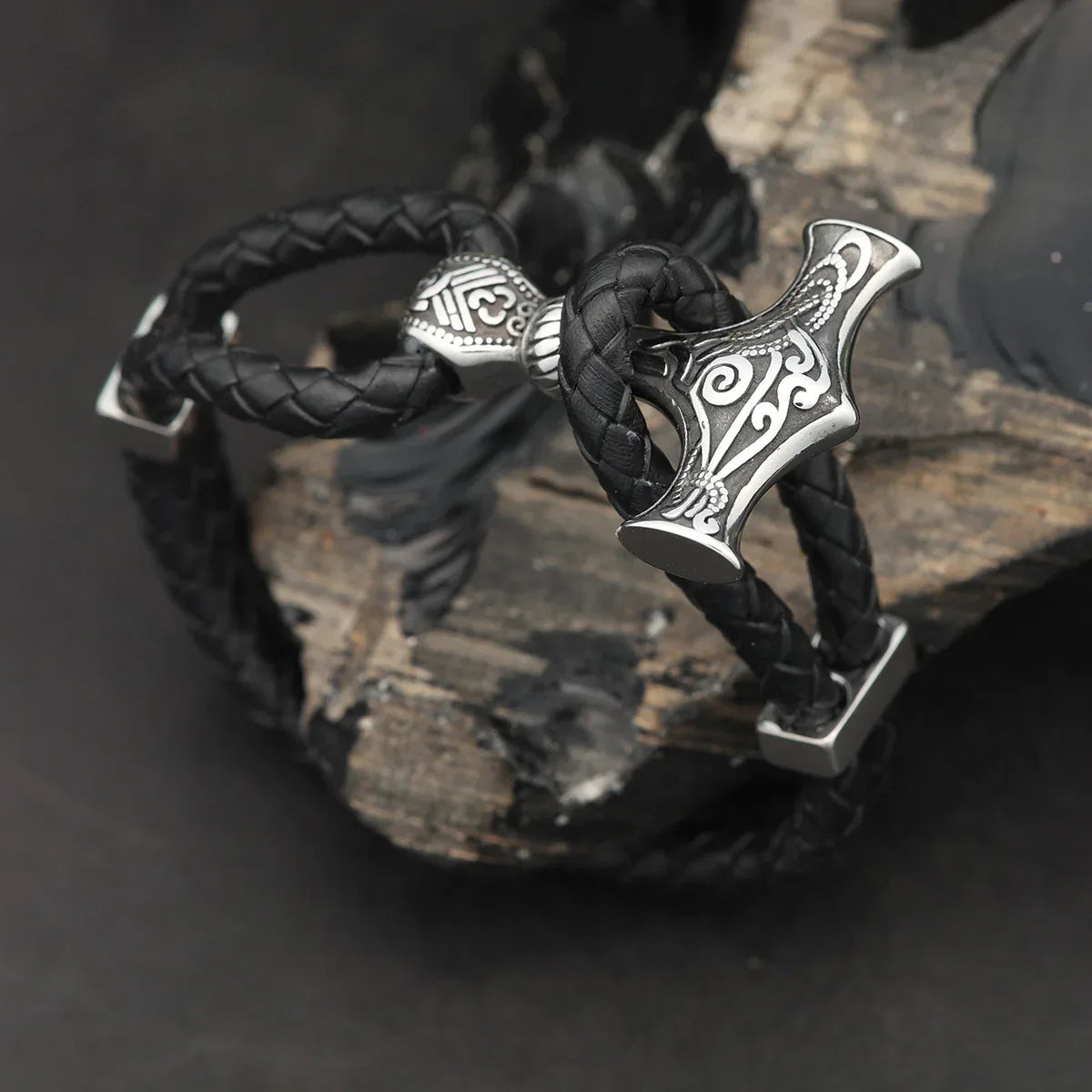
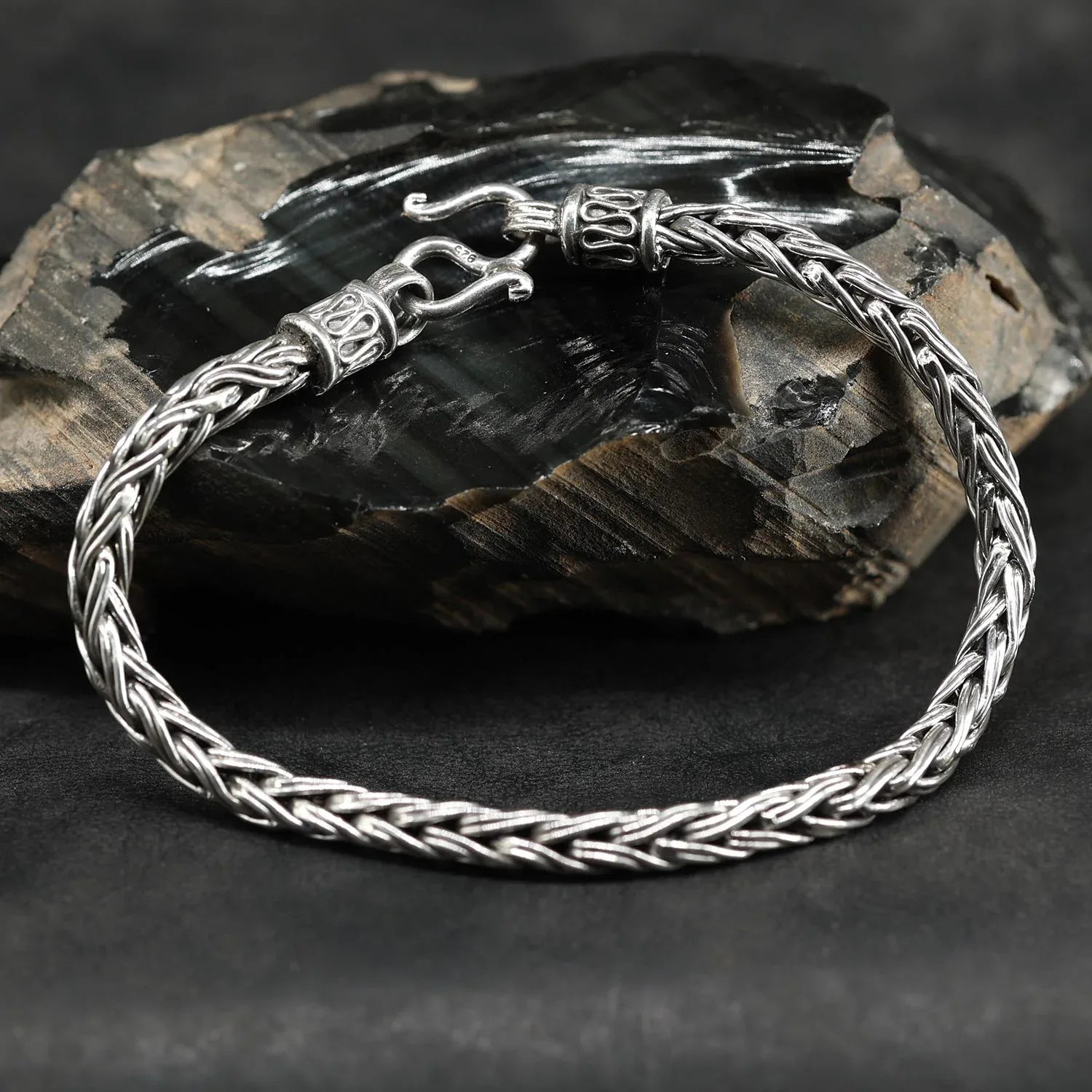
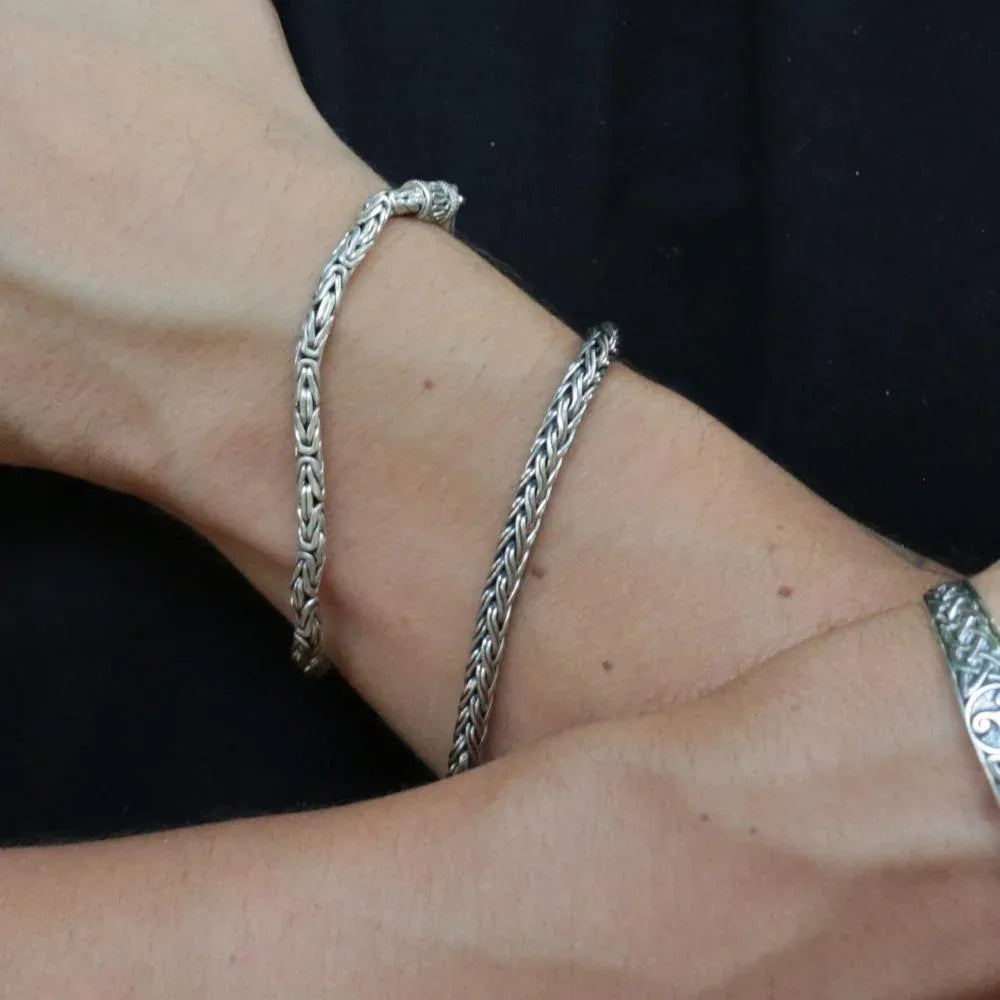
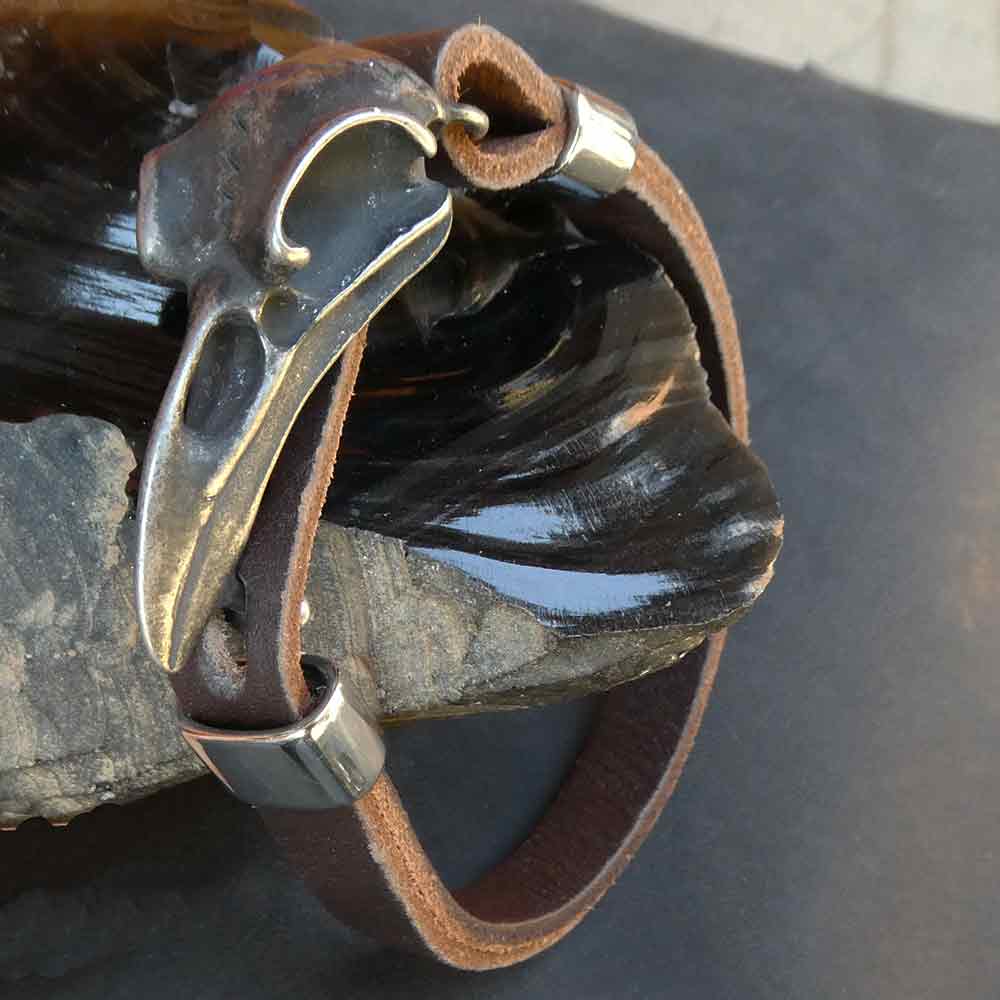
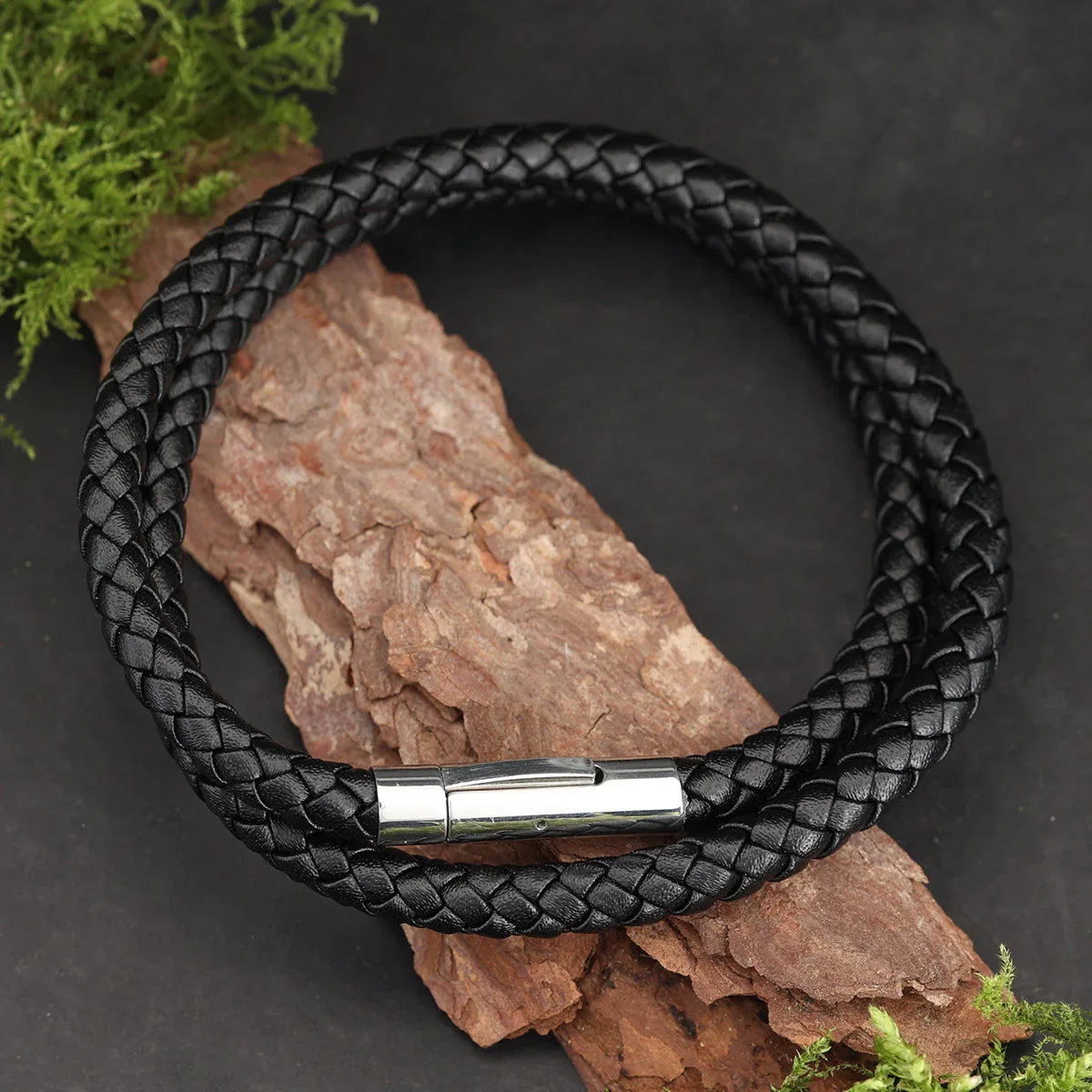
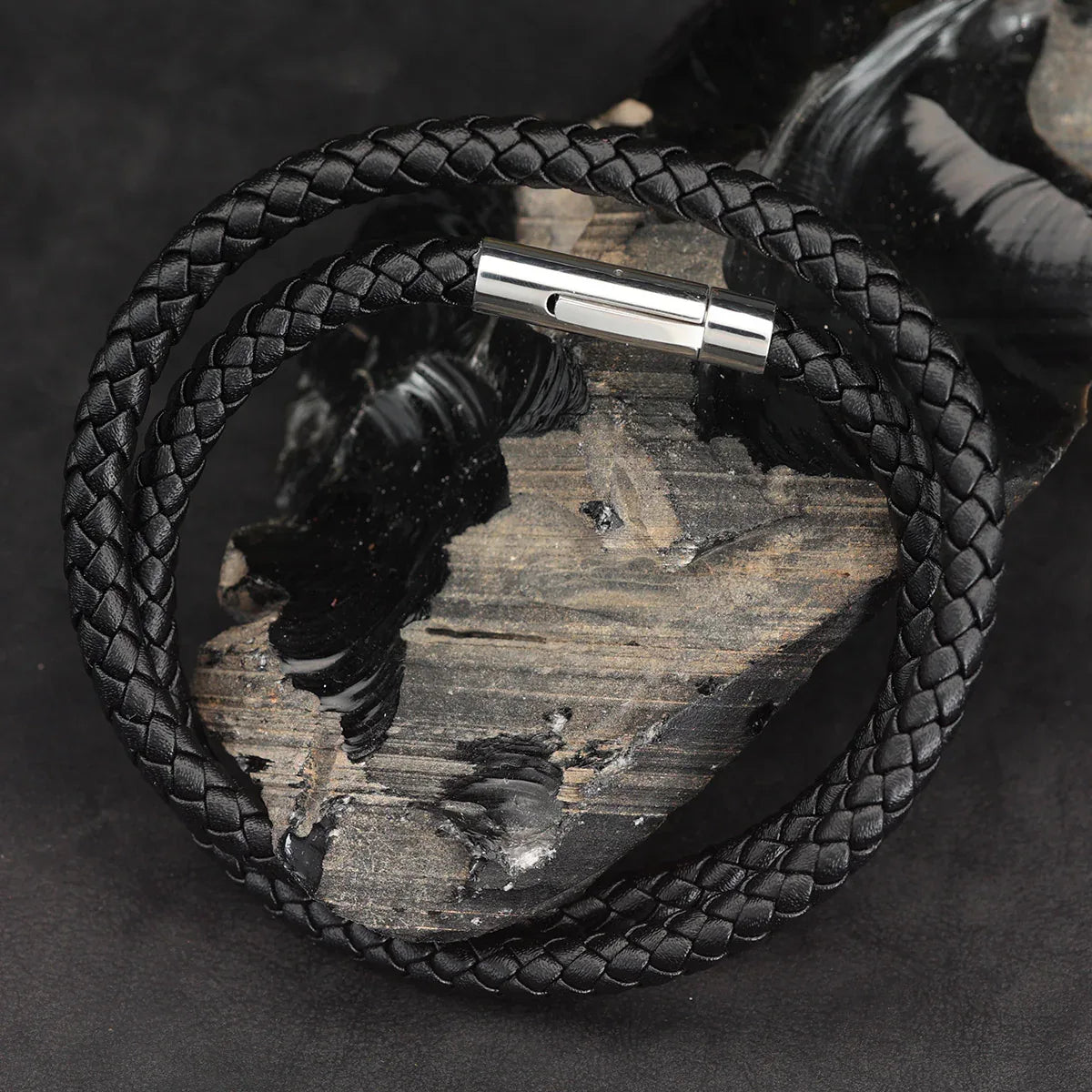
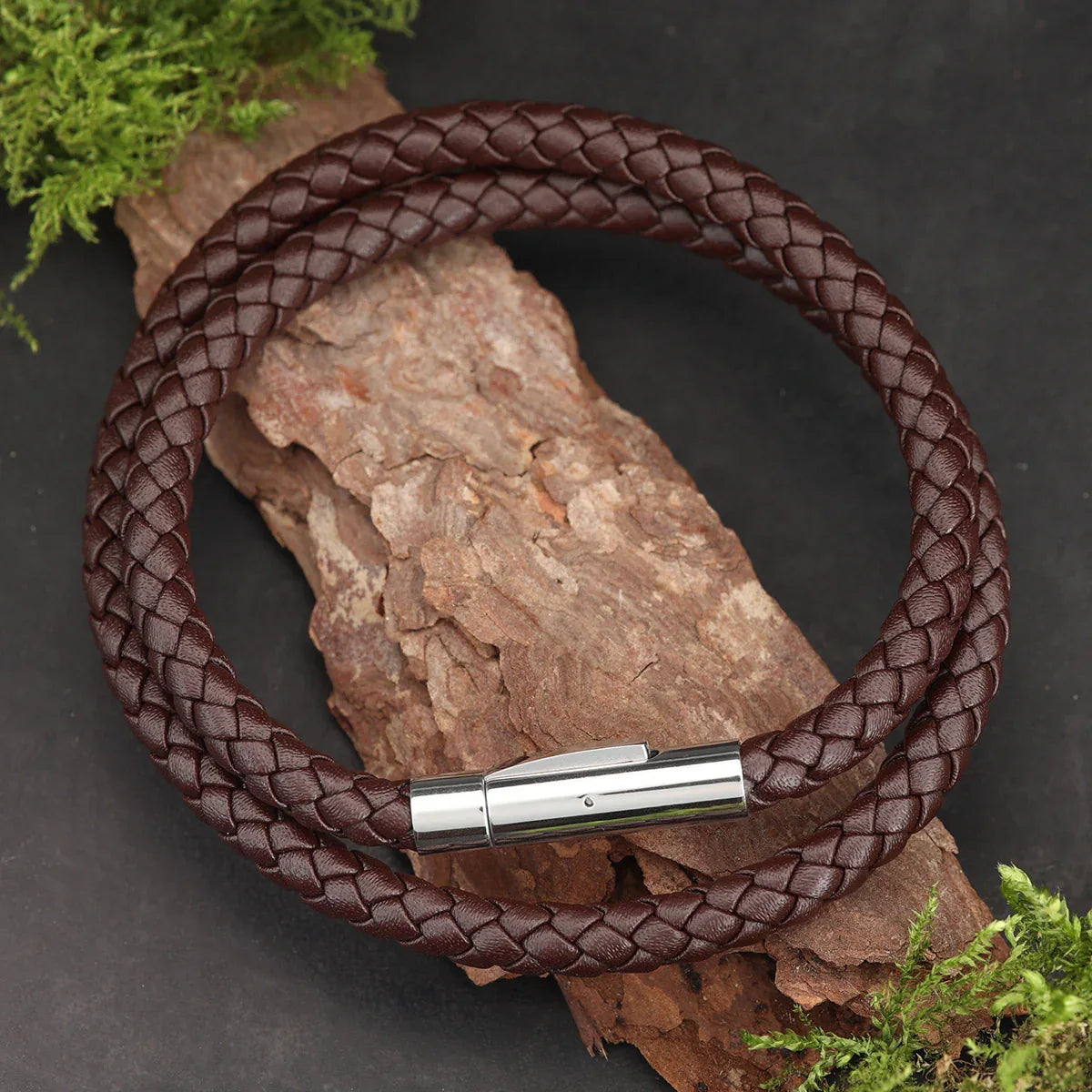
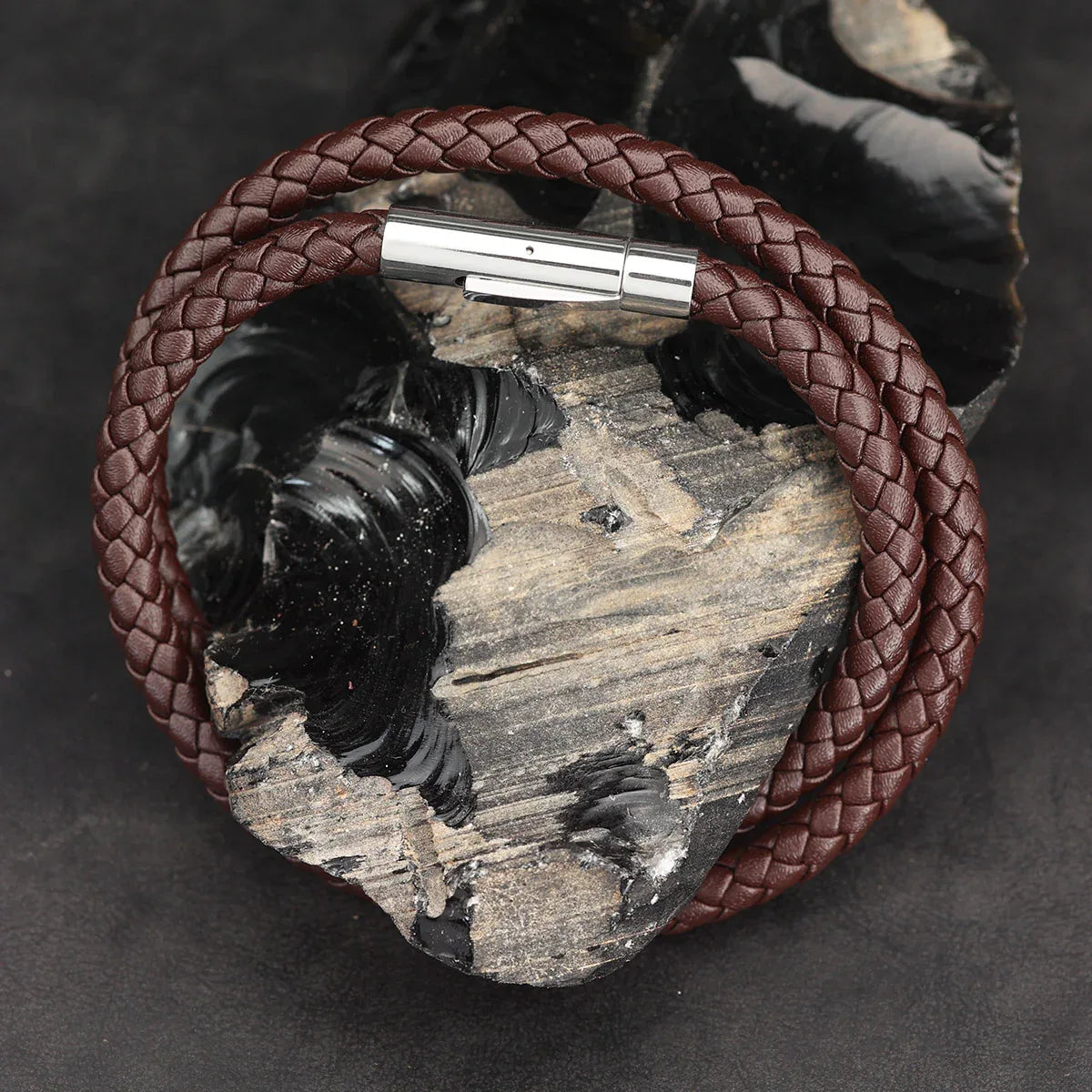
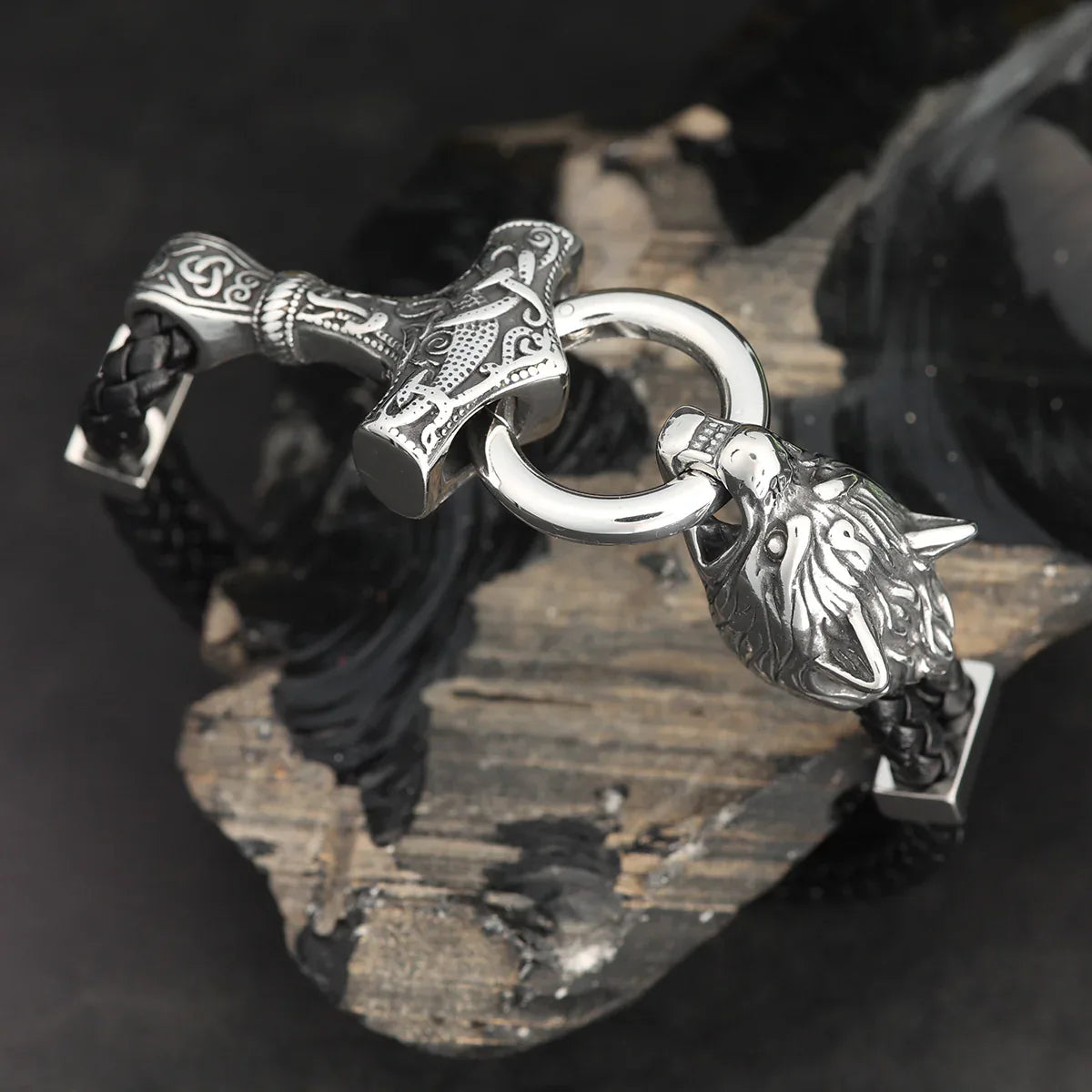
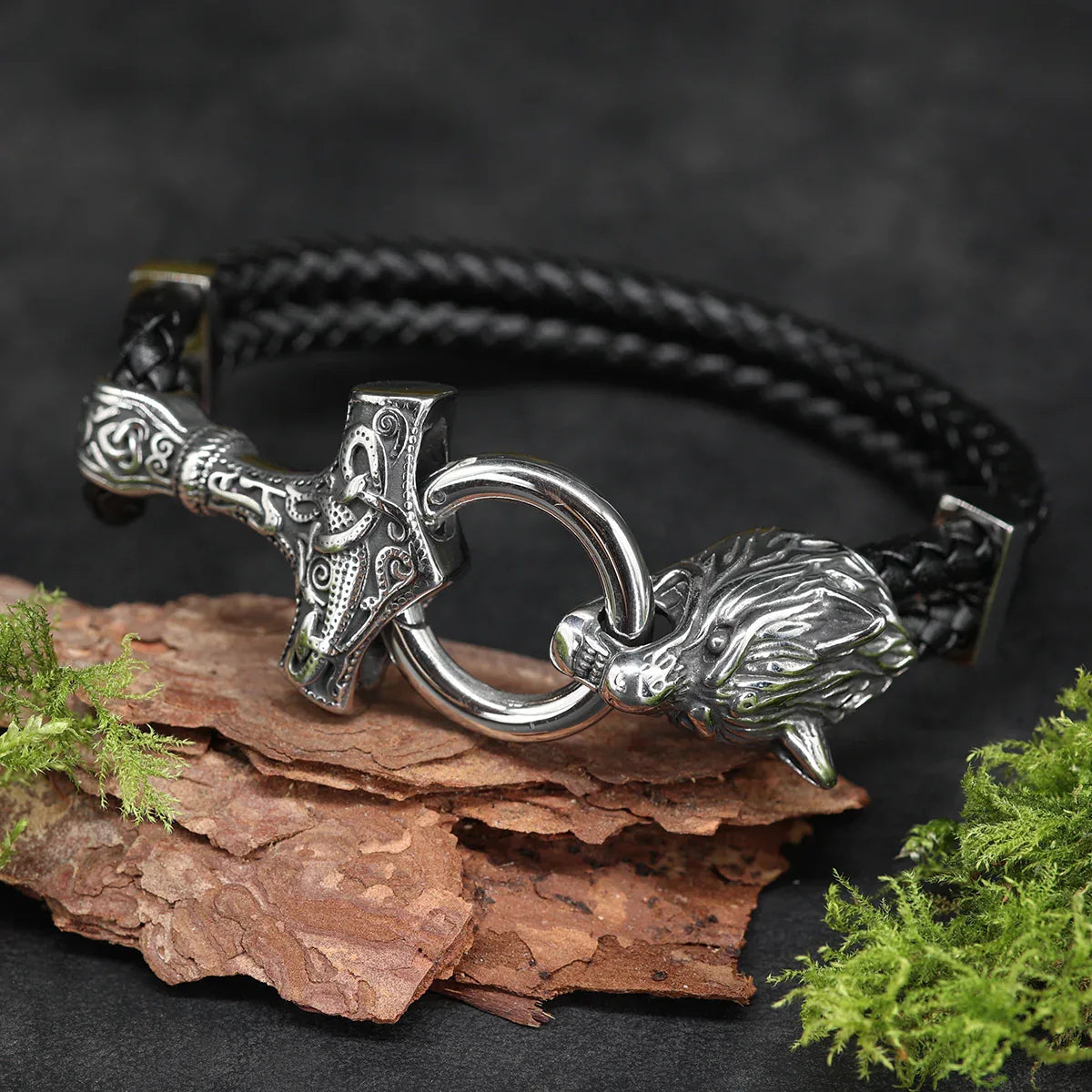
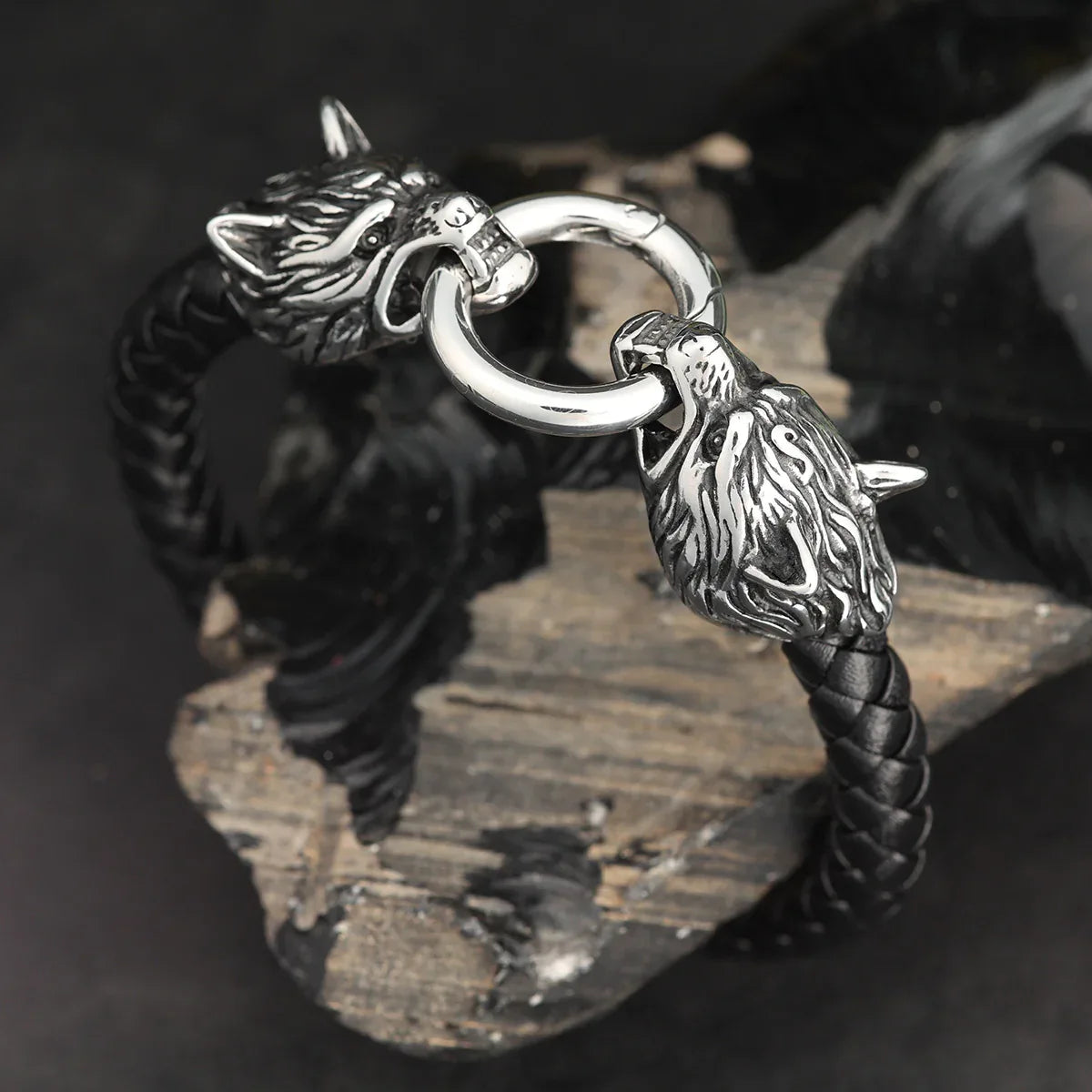
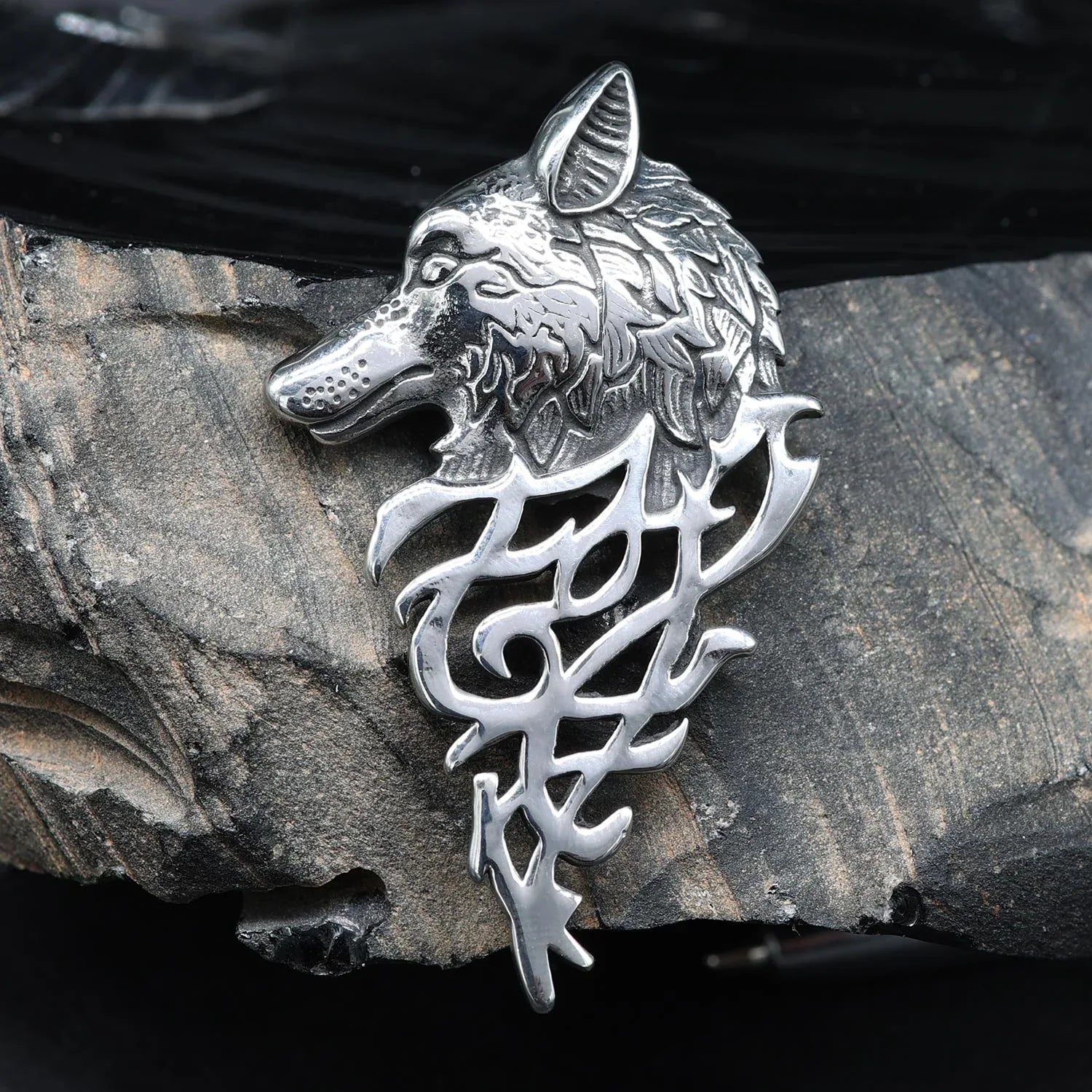
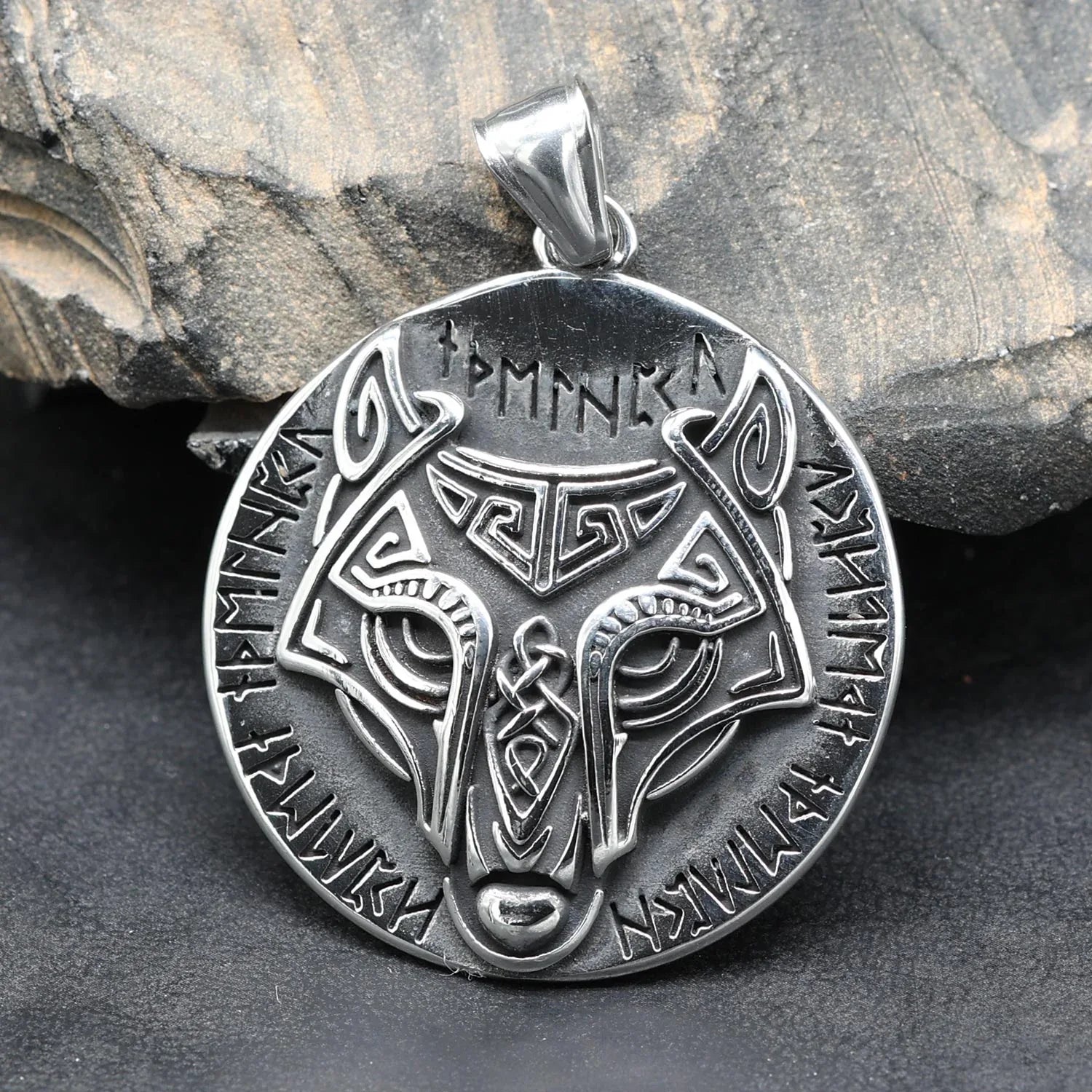
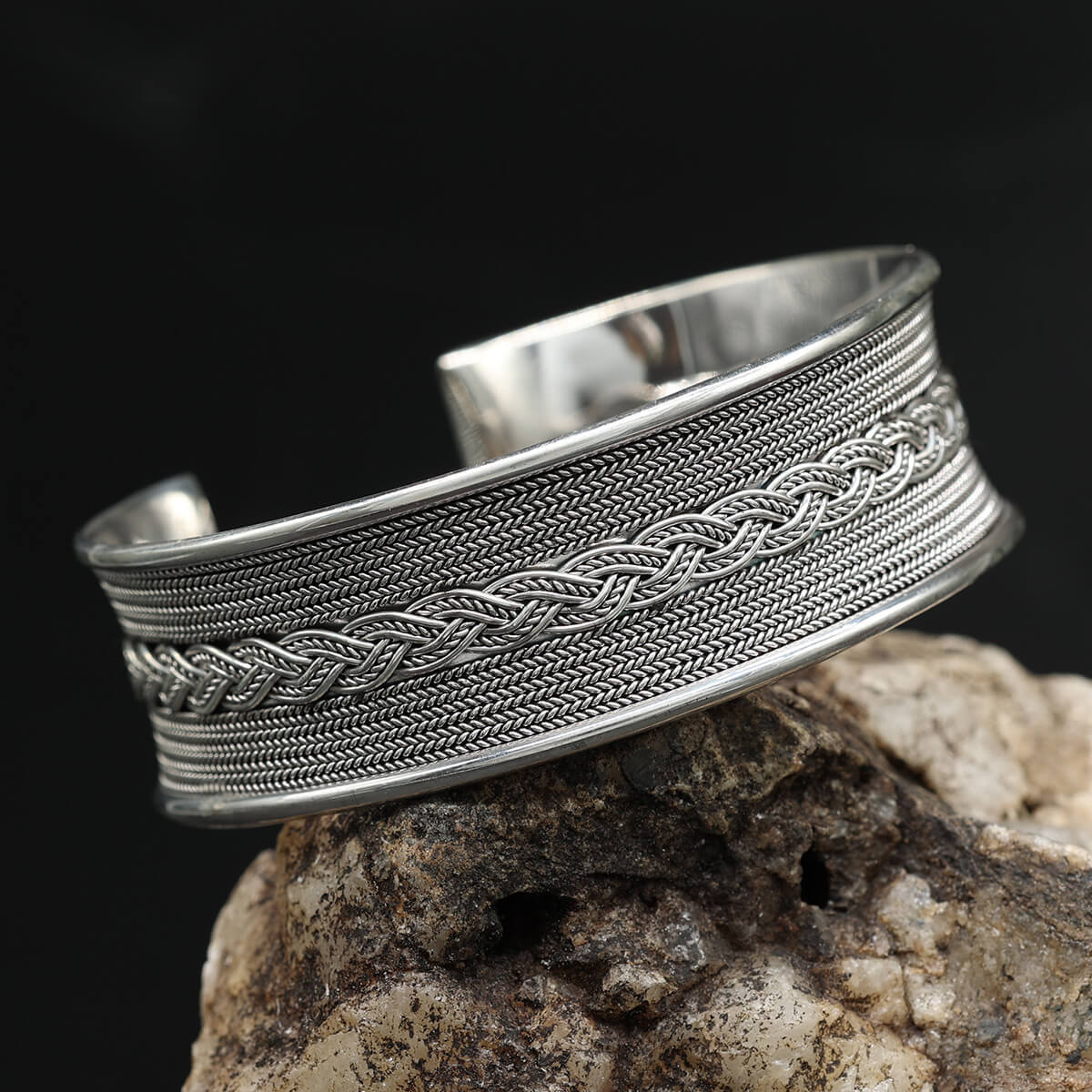
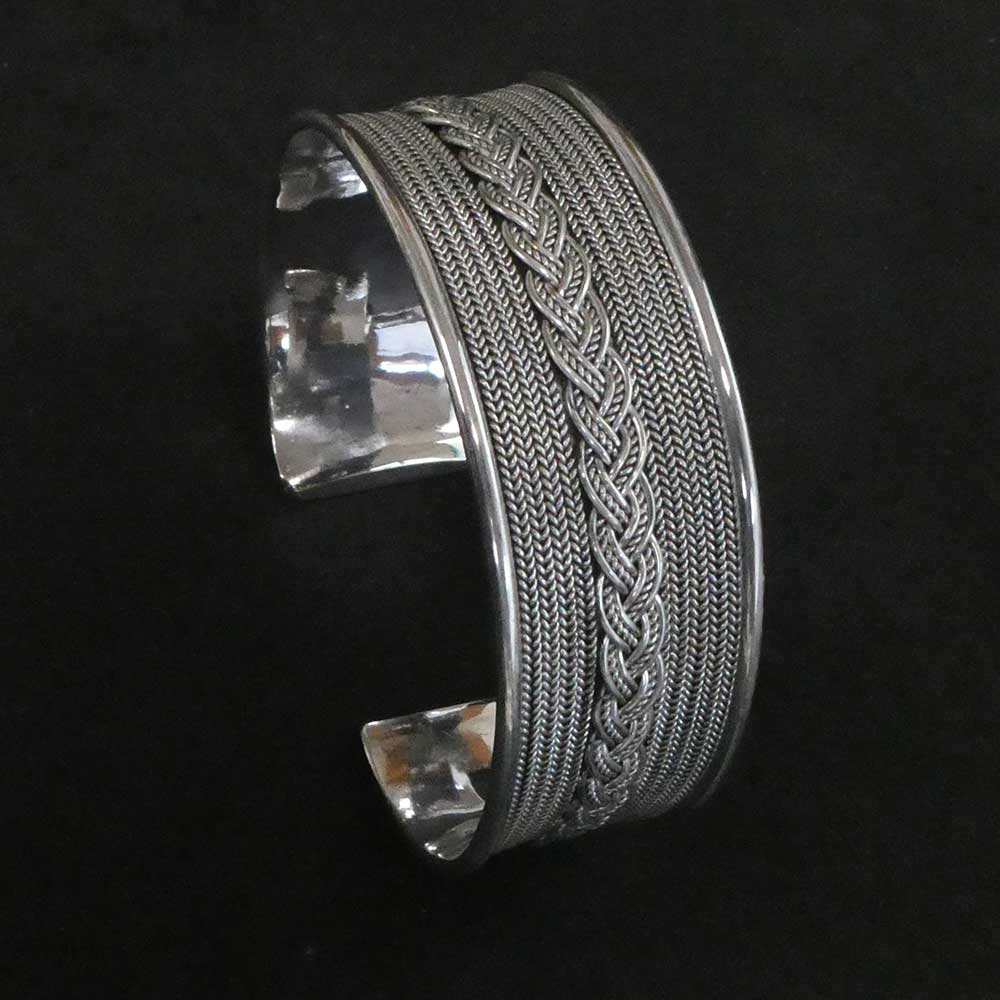
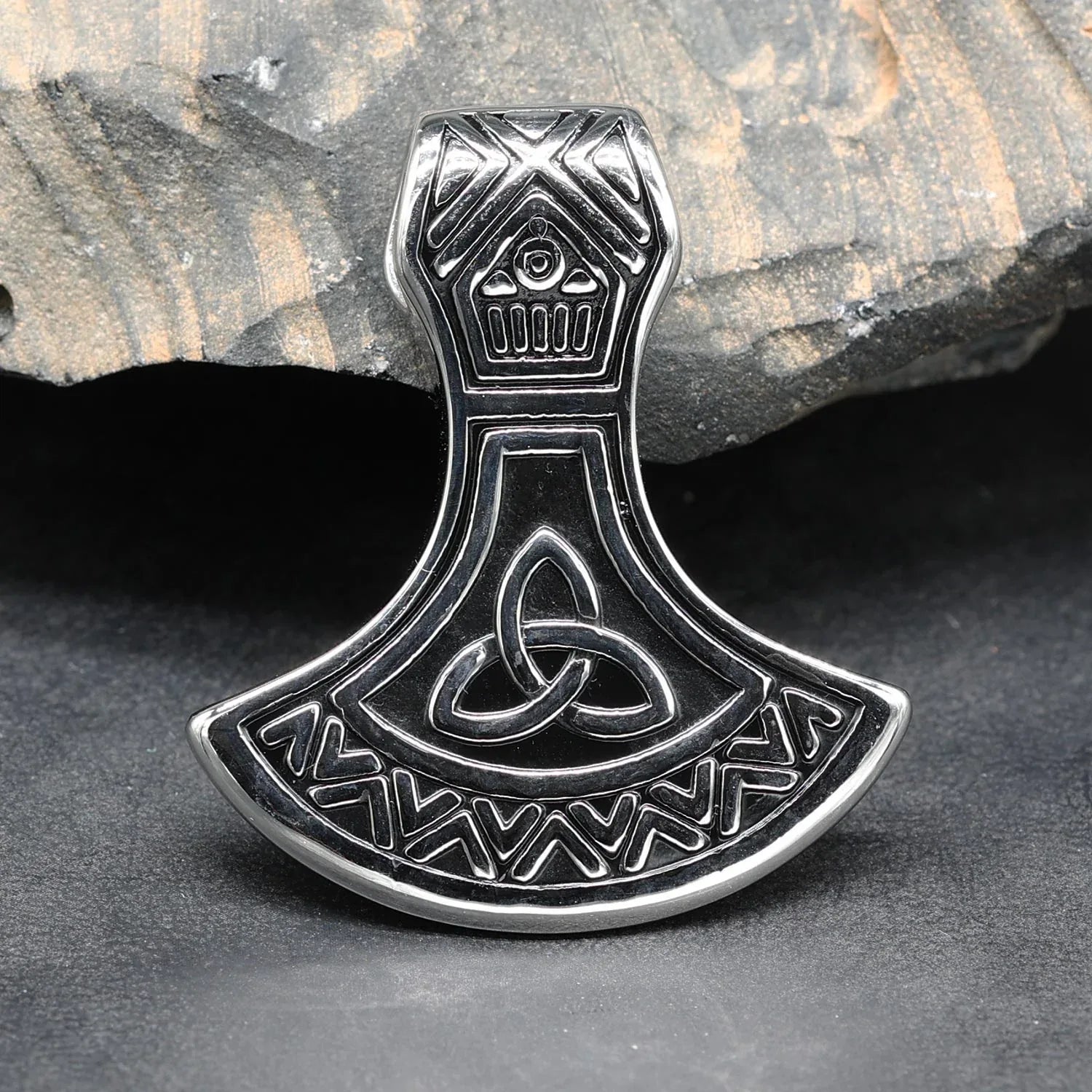
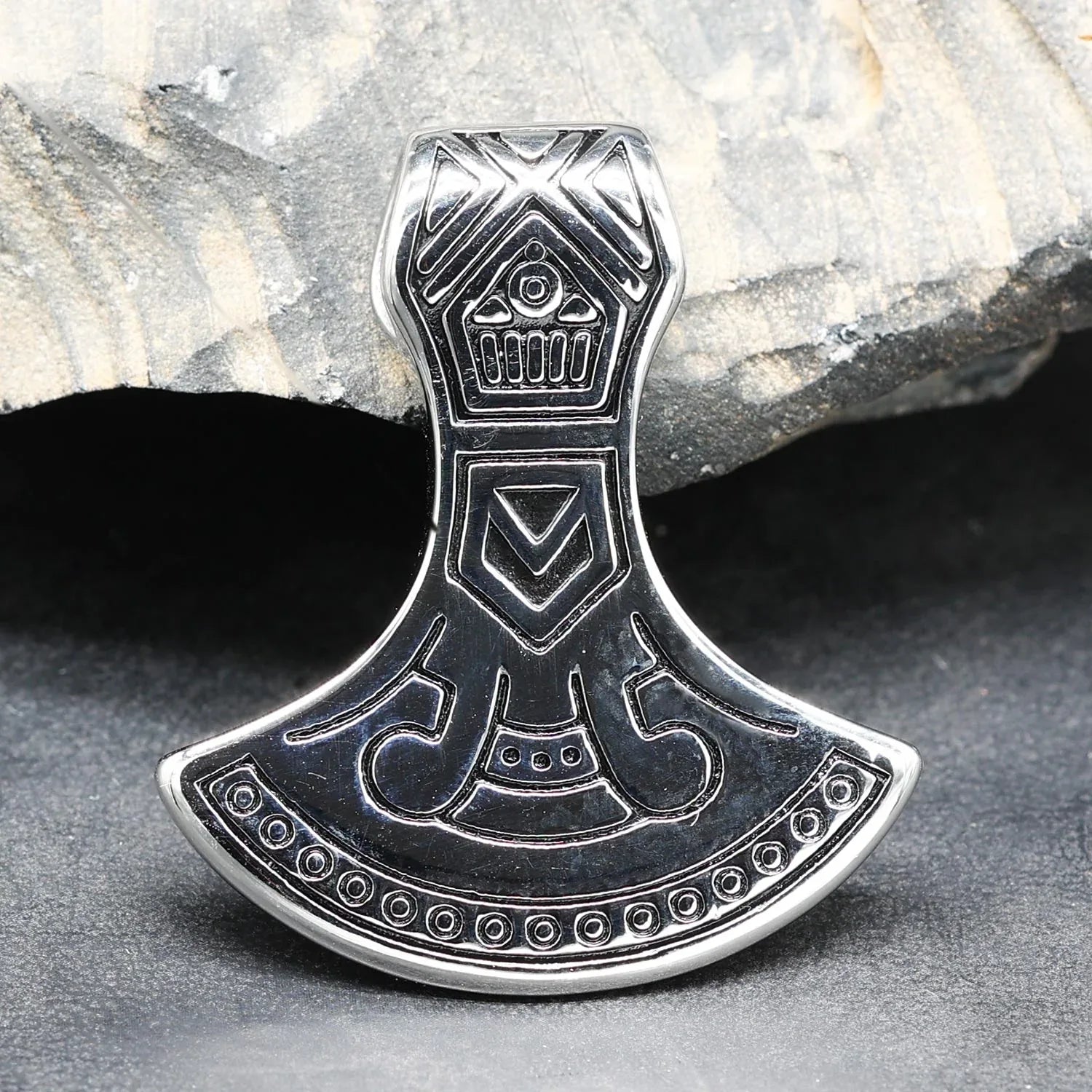
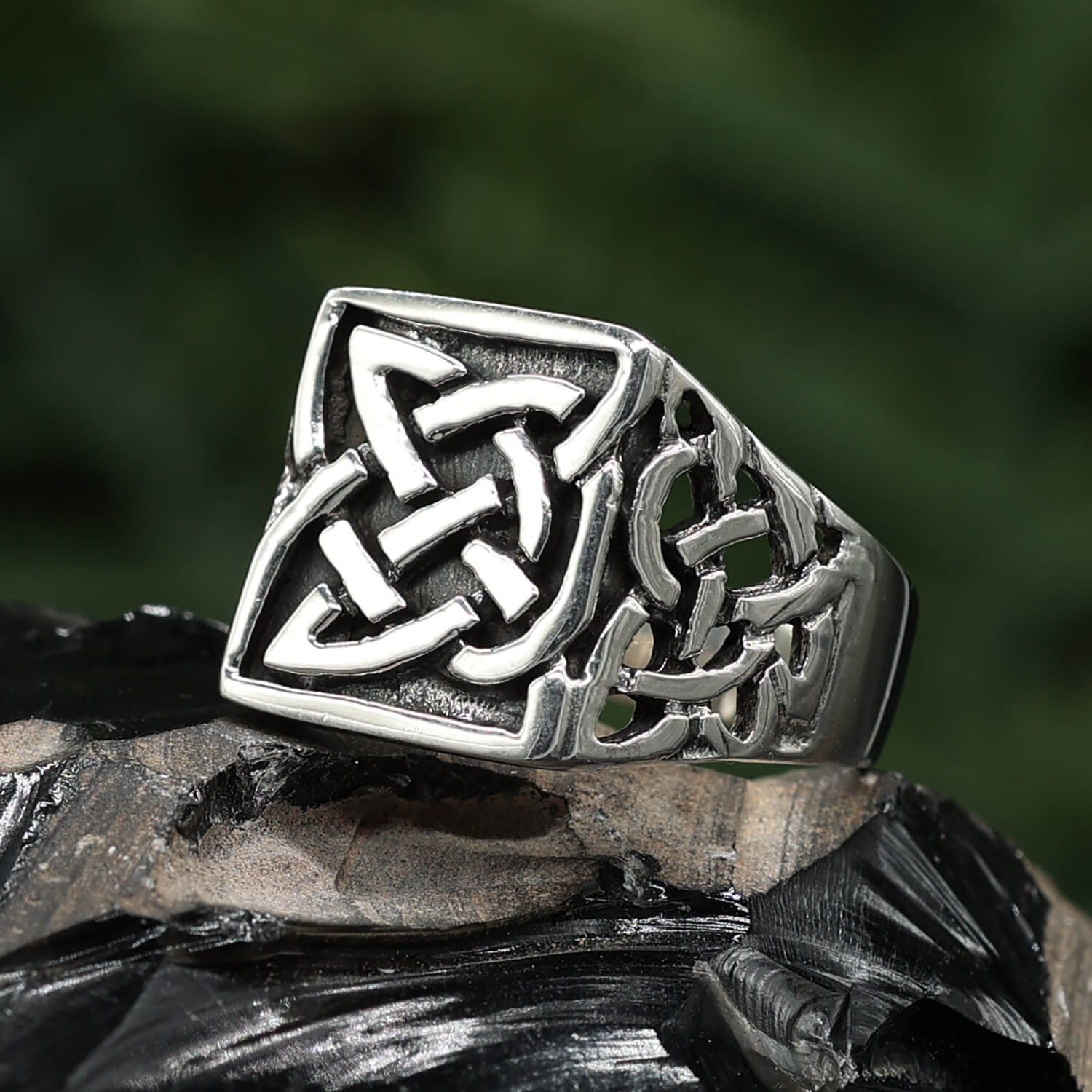
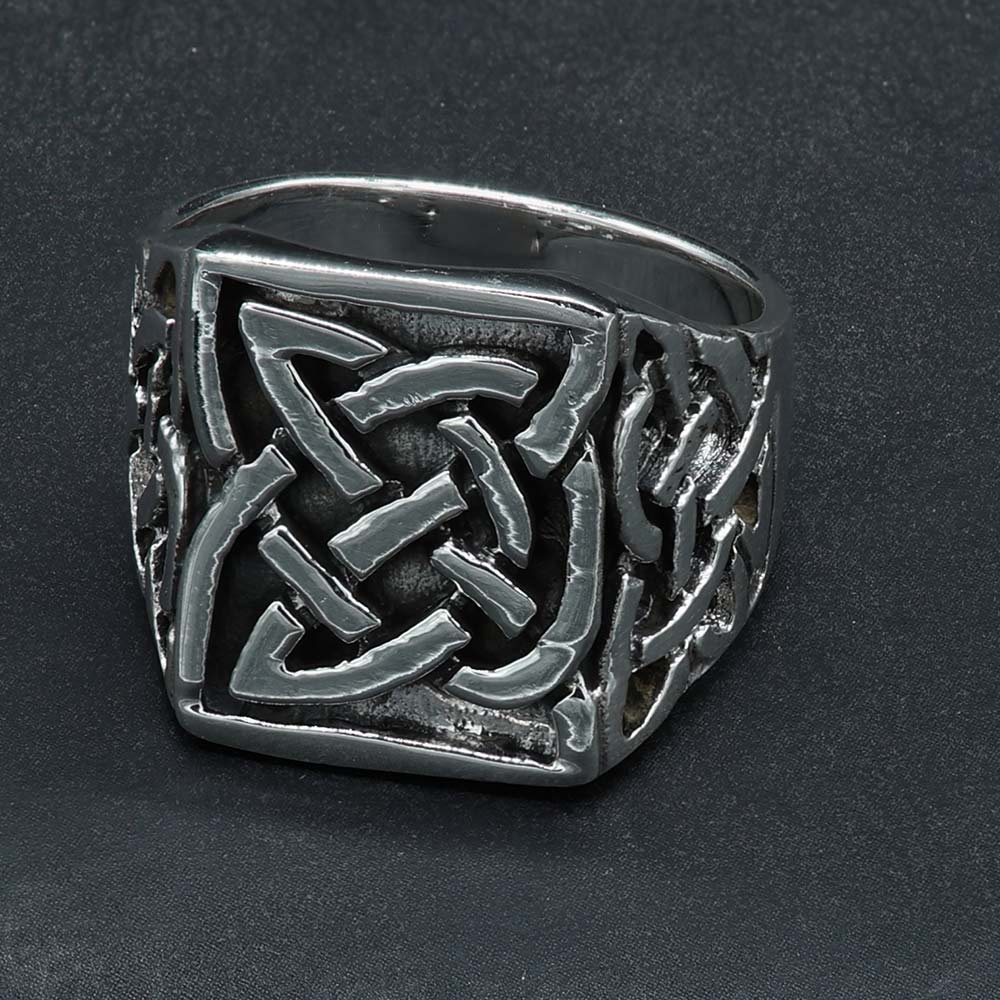
Viking jewelry is equally popular with women and men. Our selection includes a wide variety of Viking jewelry featuring symbols from the Viking Age. We proudly present a broad range of pendants, earrings, bracelets, and Viking necklaces adorned with symbols from Norse mythology. The use of high-quality materials such as silver, bronze, and precious stones makes this jewelry the perfect companion. Our Viking jewelry is ideal for expressing your personal style and demonstrates a deep connection to Norse culture. Each piece is a work of art in itself.
Like the Celts, the Vikings were skilled craftsmen who gave early medieval art a distinctive character. Browse our selection and let yourself be enchanted by the timeless beauty of this type of jewelry. Whether you're looking for a striking statement piece or a delicate piece of jewelry, we have something for both men and women.
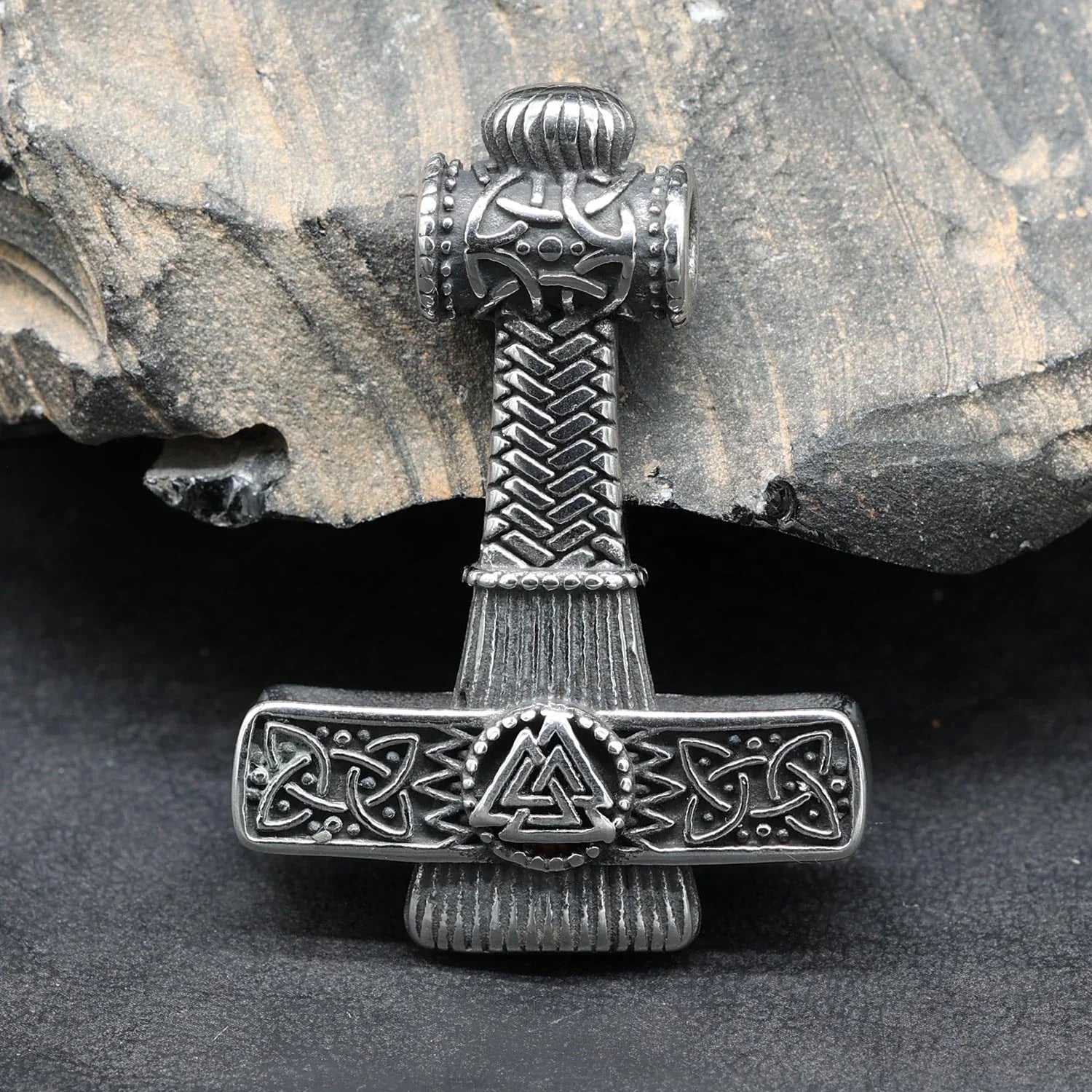
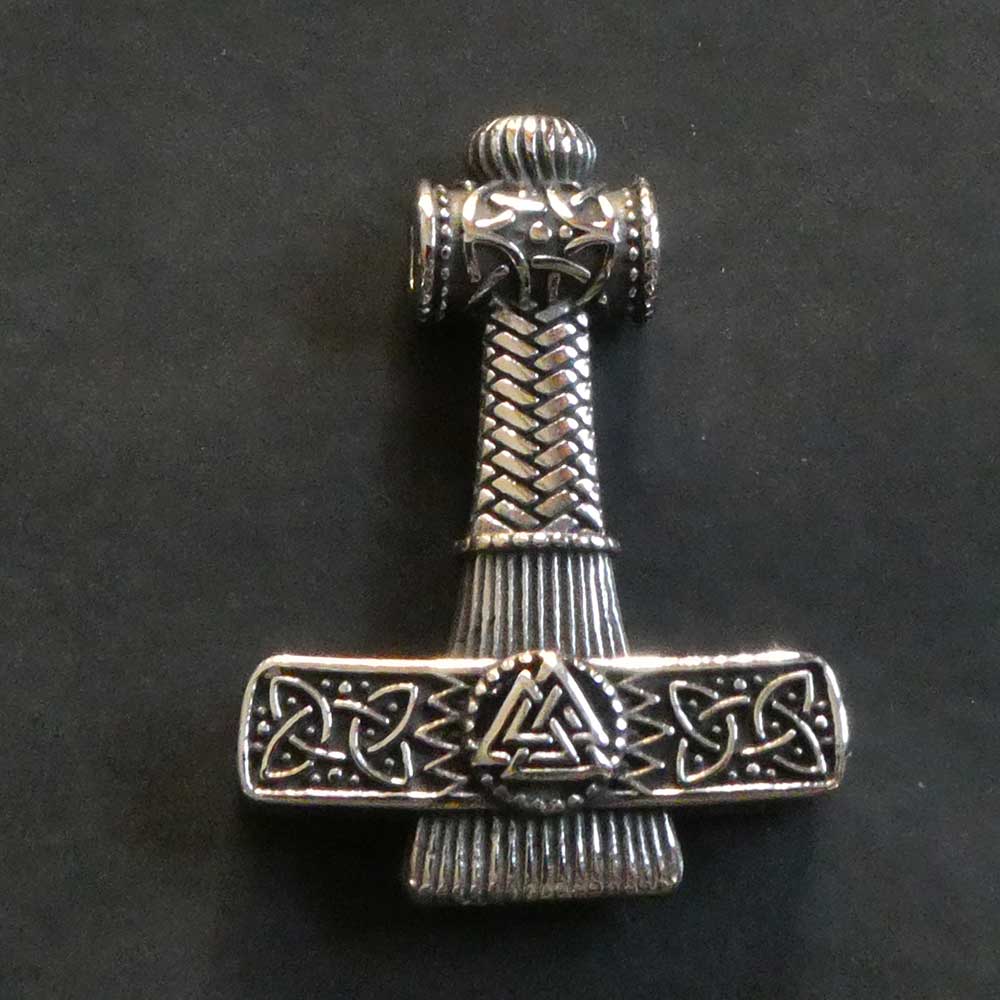
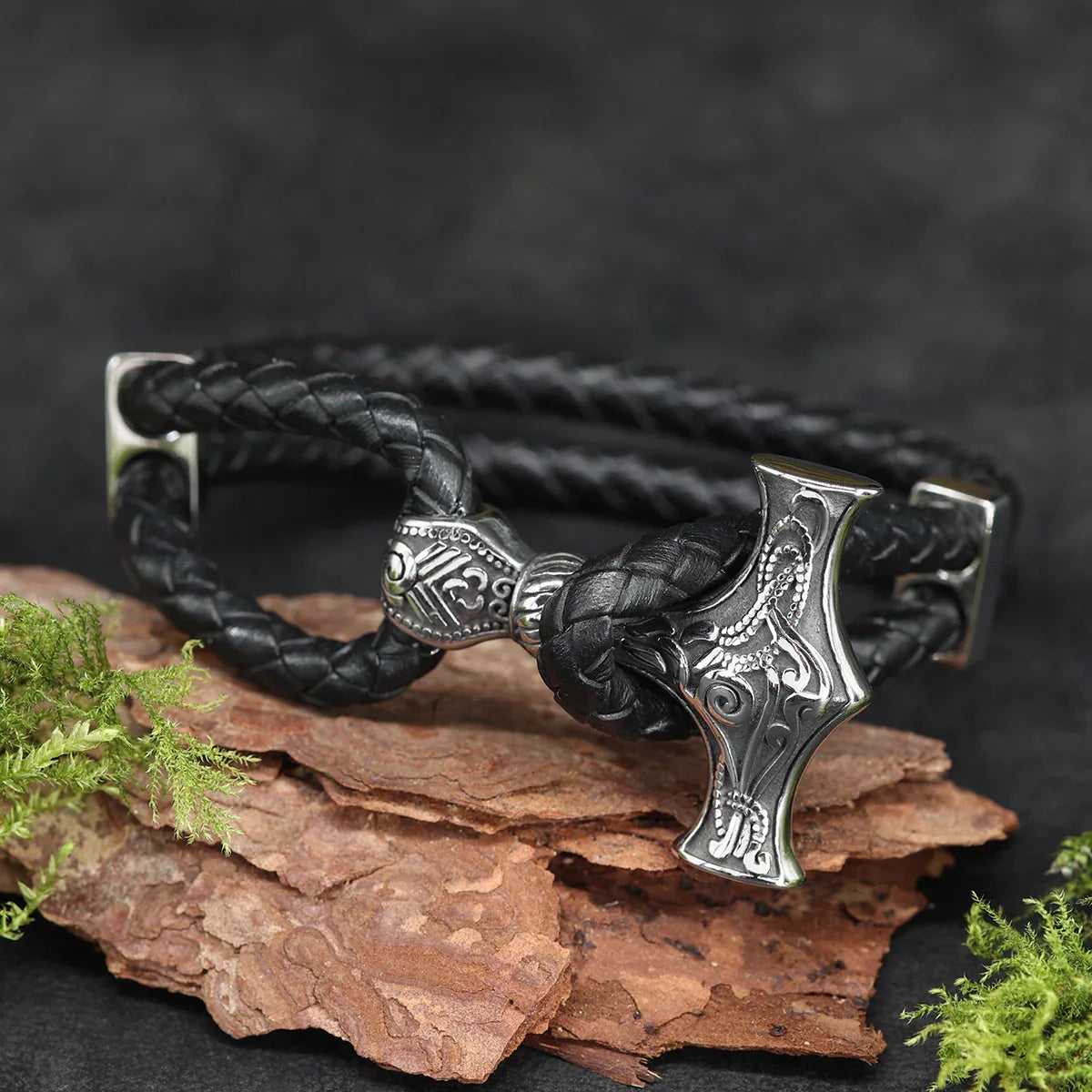
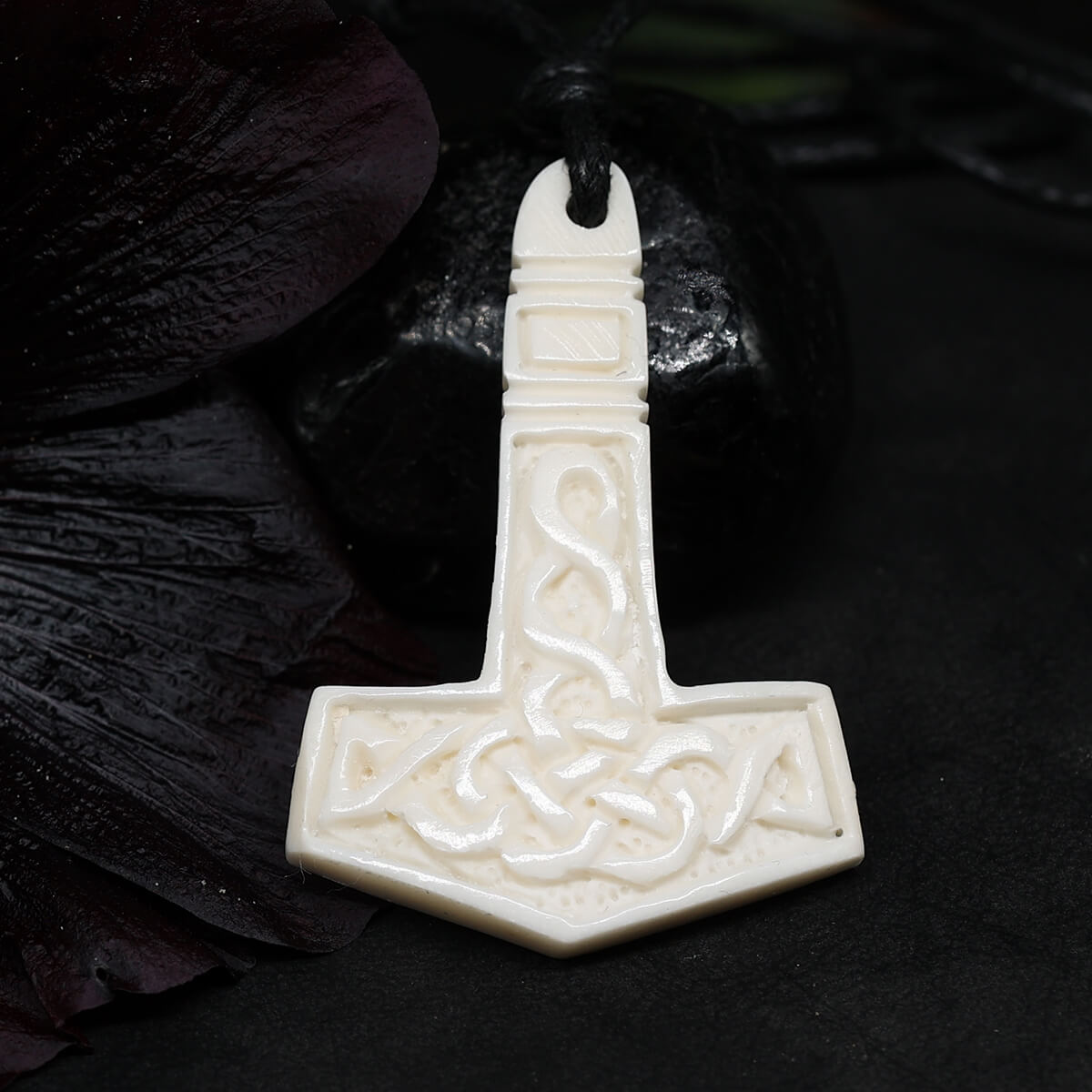
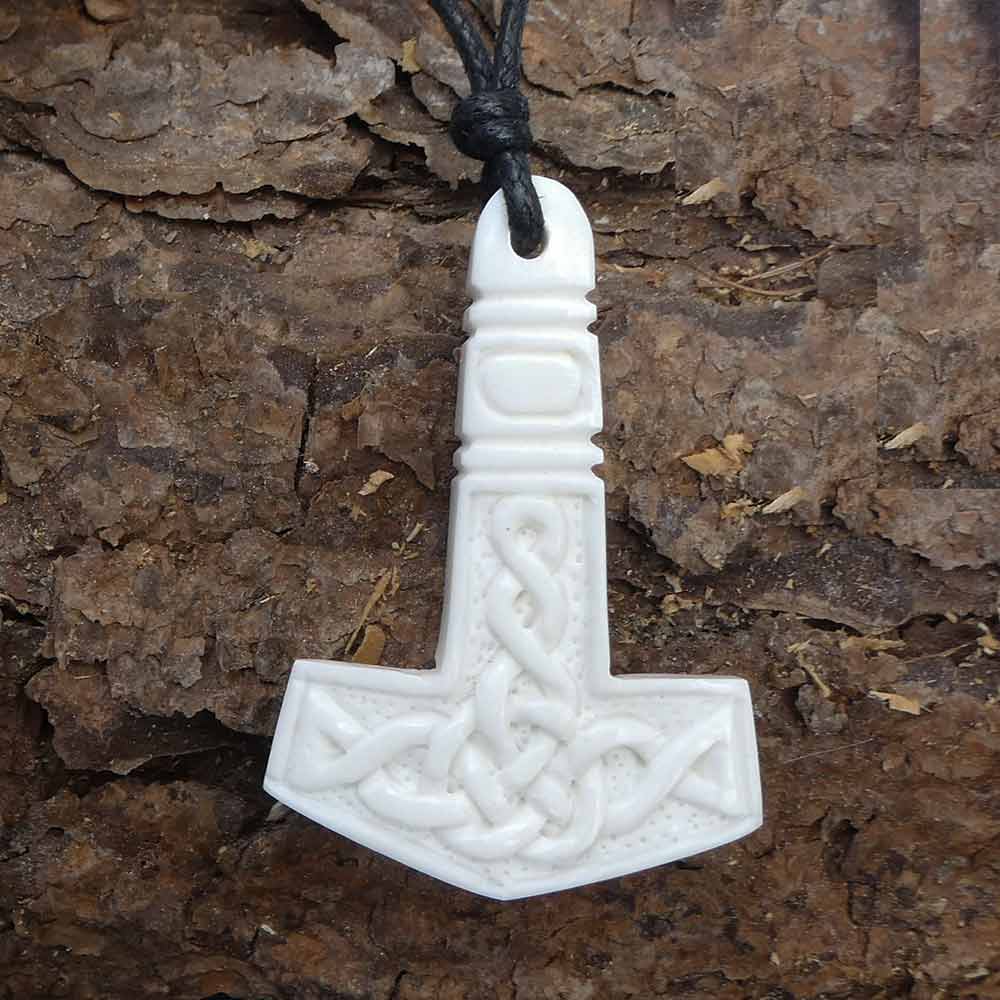
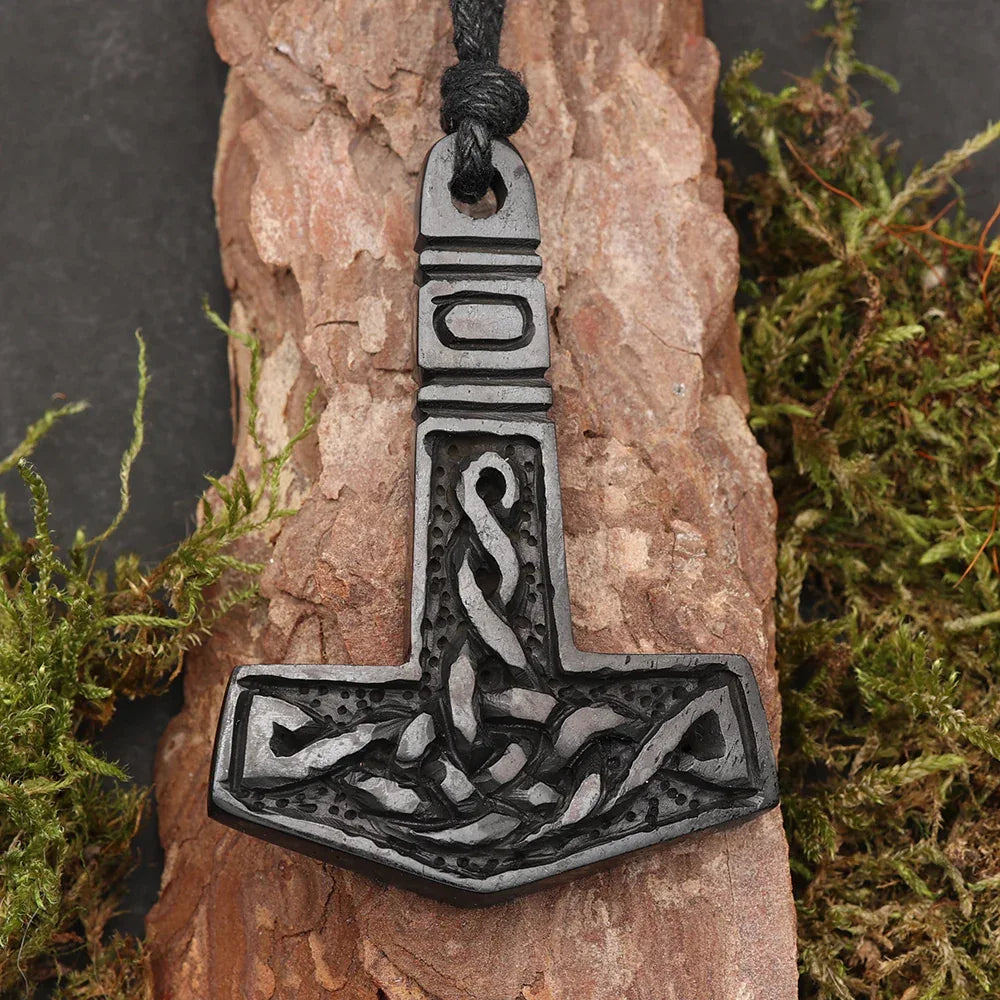
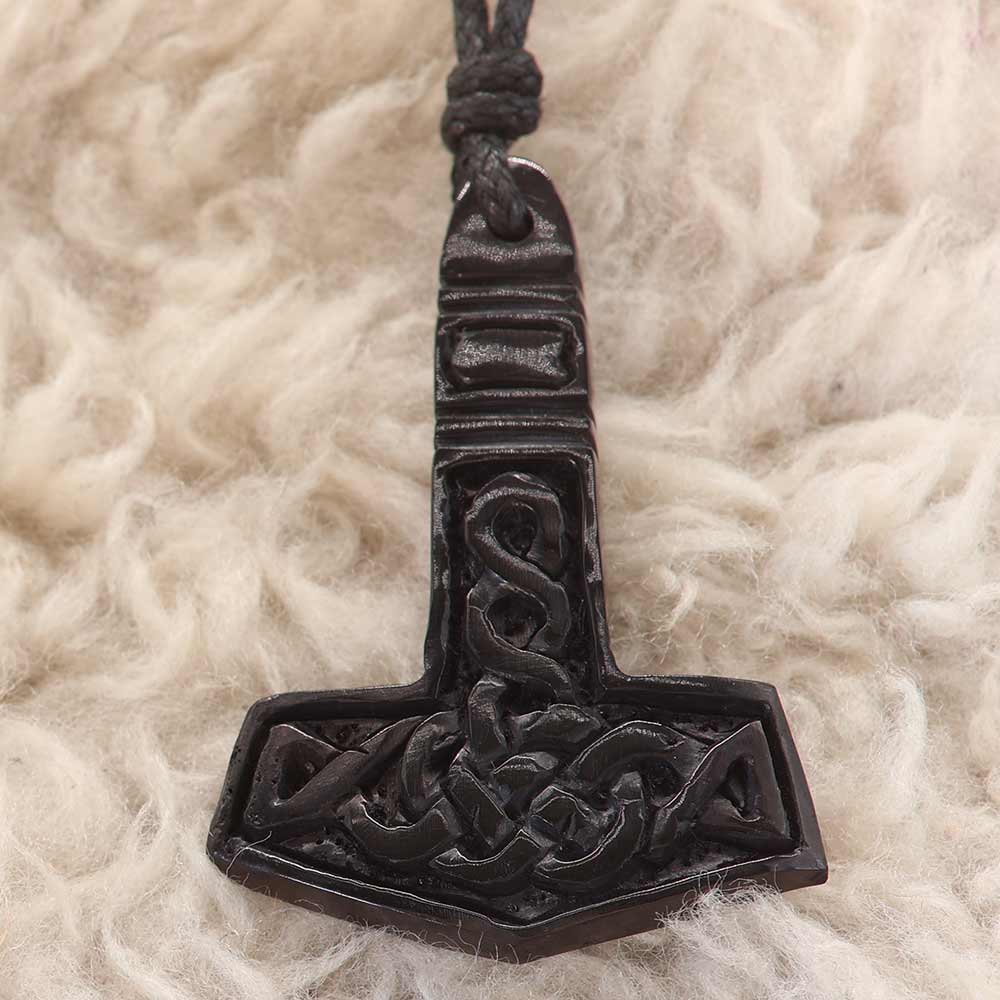
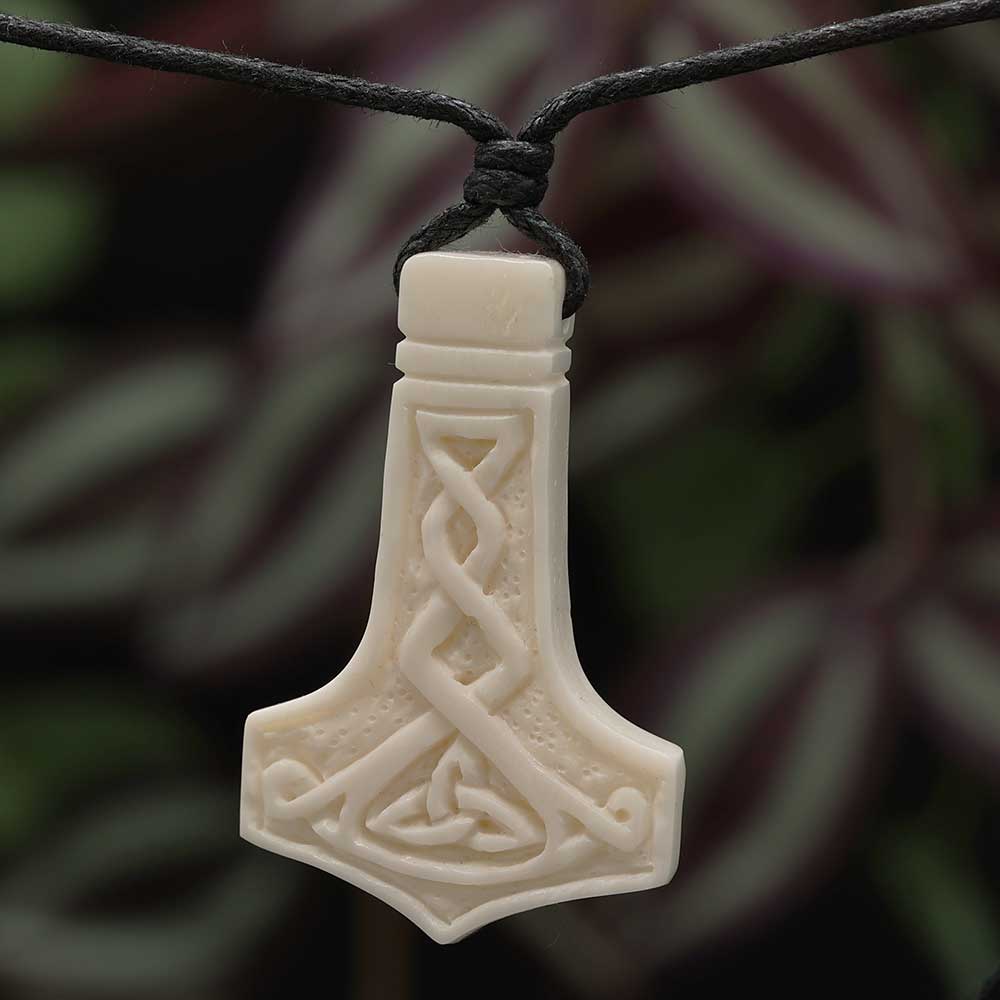
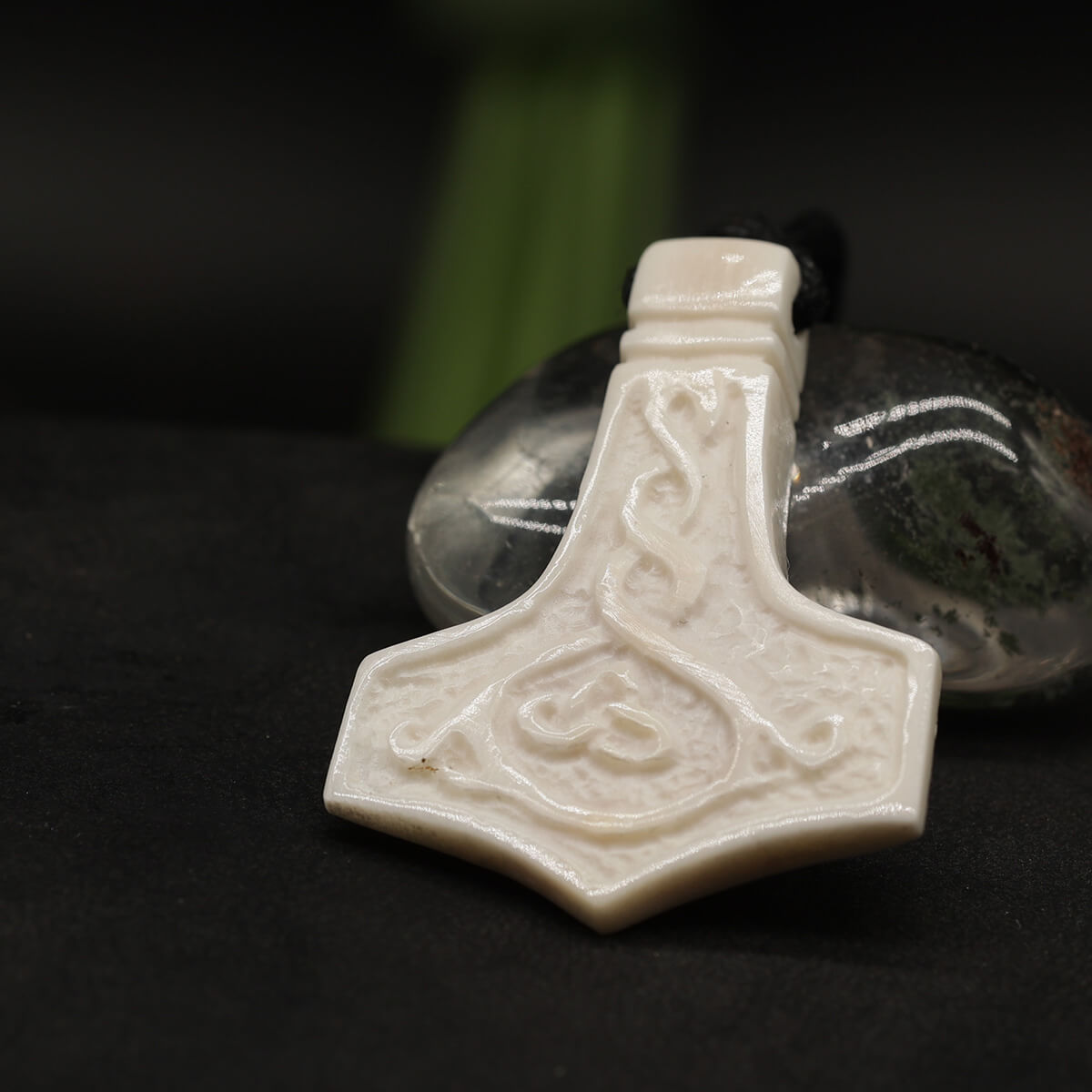
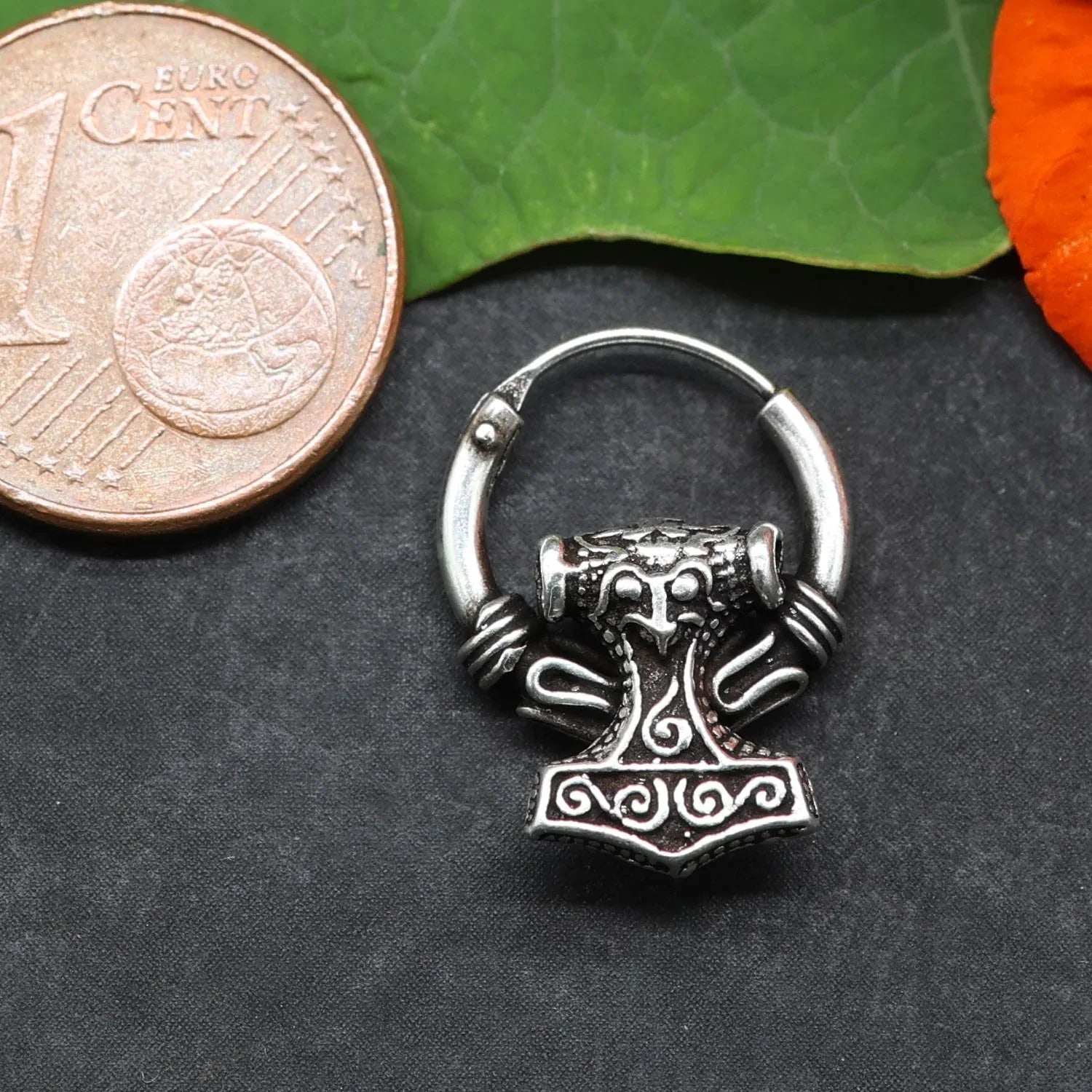
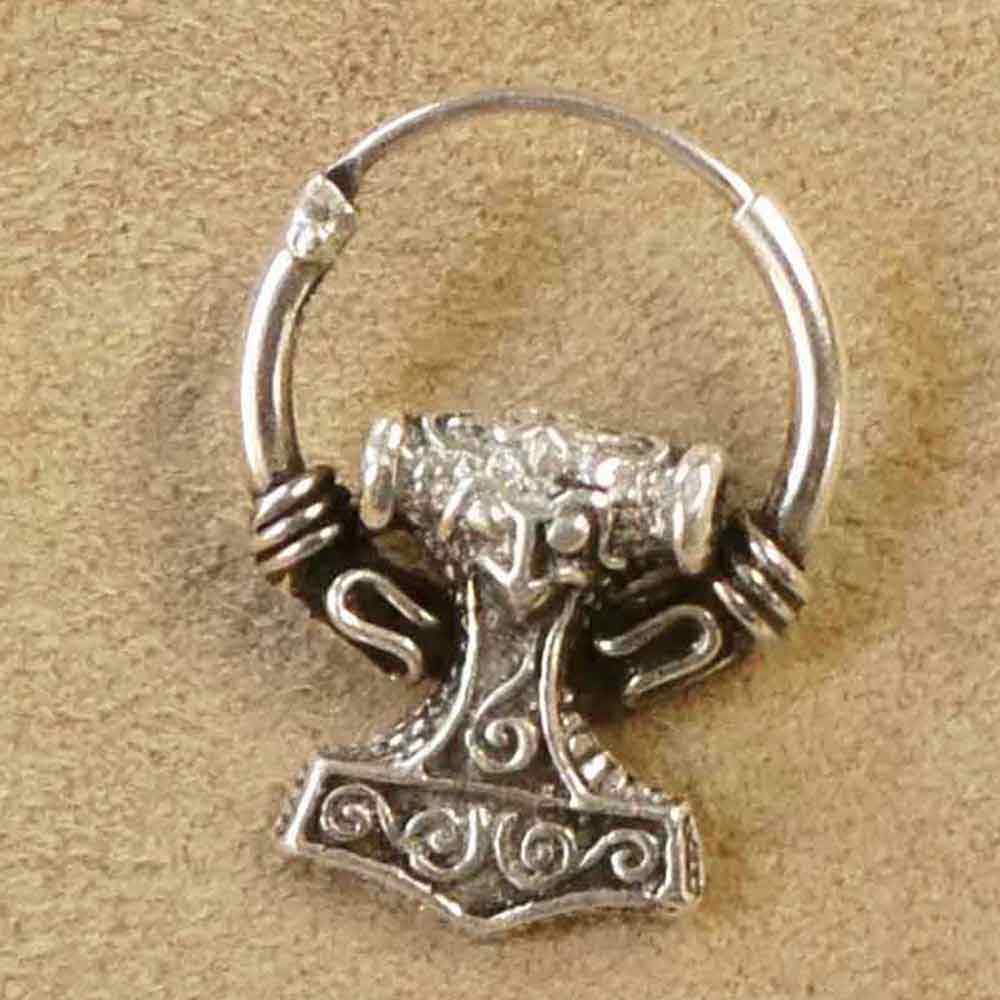
We offer large Thor's hammers , ideal for men, or those who prefer something a little rougher, or delicate brooches and rings that will delight the ladies.
Experience the magic of bygone eras with fascinating jewelry that you can conveniently order in our online shop.

Who were the Vikings?
Vikings are associated with fearsome warriors and a raiding, human-abducting army. From the ninth century onward, they first appeared prominently on the European continent. To the people of southern and central Europe, these hordes seemed to emerge from nowhere, and they considered them a terrible curse. Not only did they plunder and pillage, but with their long beards adorned with decorative beads, they also looked particularly ferocious.
But the Vikings were not a single, unified people. The Vikings were a melting pot of many different Nordic peoples. Today we would say they were Scandinavians. They went on raids in loose bands.
The origin of the term "Viking" is not entirely clear. It could derive from the Old Norse verb "vikingr" (to plunder, to raid) or from the Latin "vicus" (men who wander from place to place). Thus, "Viking" does not refer to a single ethnic group, but rather to a group of people. Names such as Normans, Norsemen, and Varangians were also common terms for the Vikings at that time.
Overpopulation forced the Vikings to venture into other regions. Traders told tales of fabulous riches, poorly guarded and easy plunder. With their excellent ships, the Vikings immediately set sail. Their raids quickly proved successful, and from then on, they appeared regularly on the coasts of Central and Southern Europe.
The Vikings weren't only interested in plunder, however. They were also excellent traders, and their products were in high demand. They traded many natural goods, but their weapons, Viking jewelry, and slaves were especially sought after. The latter were prisoners from raids and were particularly in demand in the Orient.
The golden age of the Vikings ended in the eleventh century. Large kingdoms arose in Sweden, Denmark, and Norway, and the Vikings settled there.
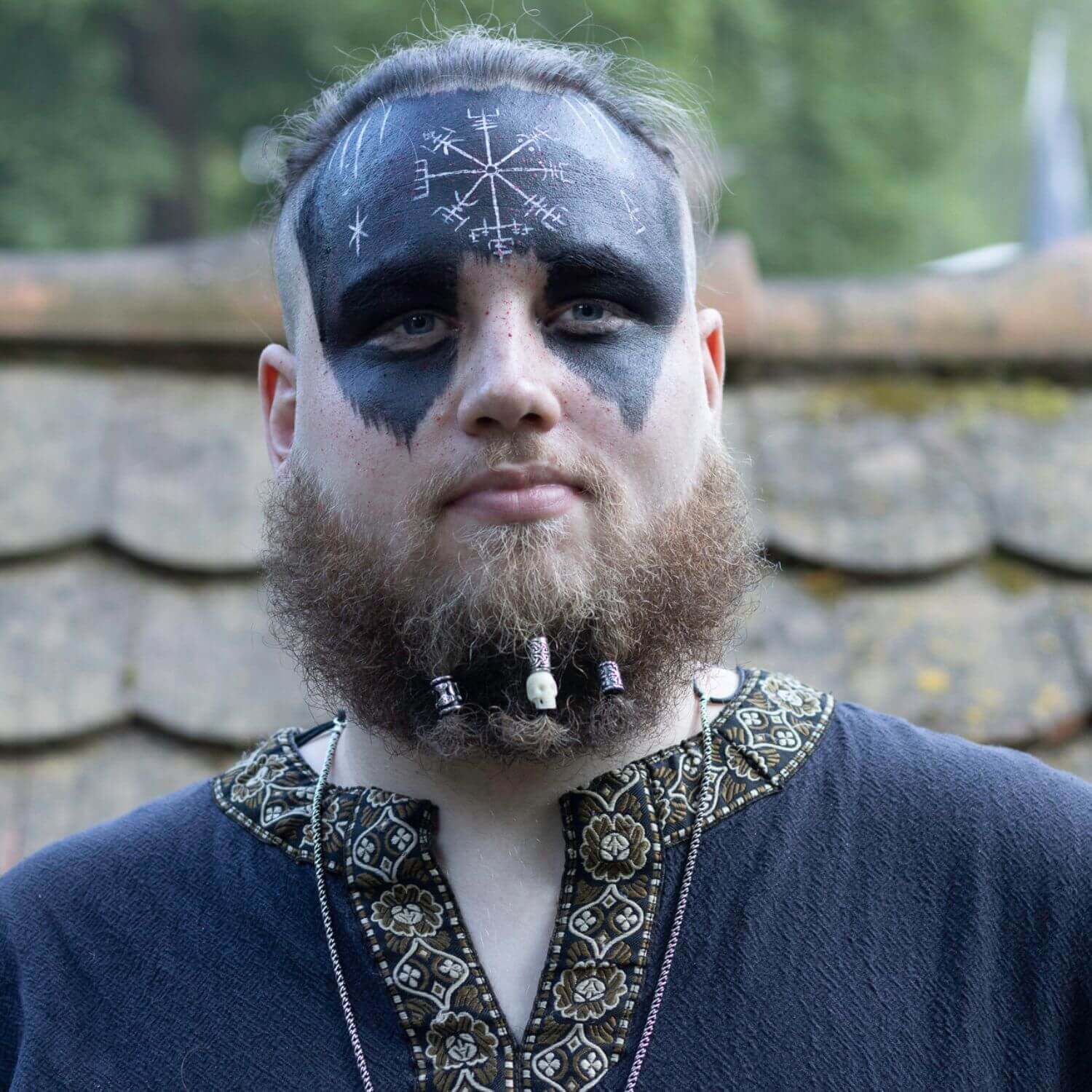
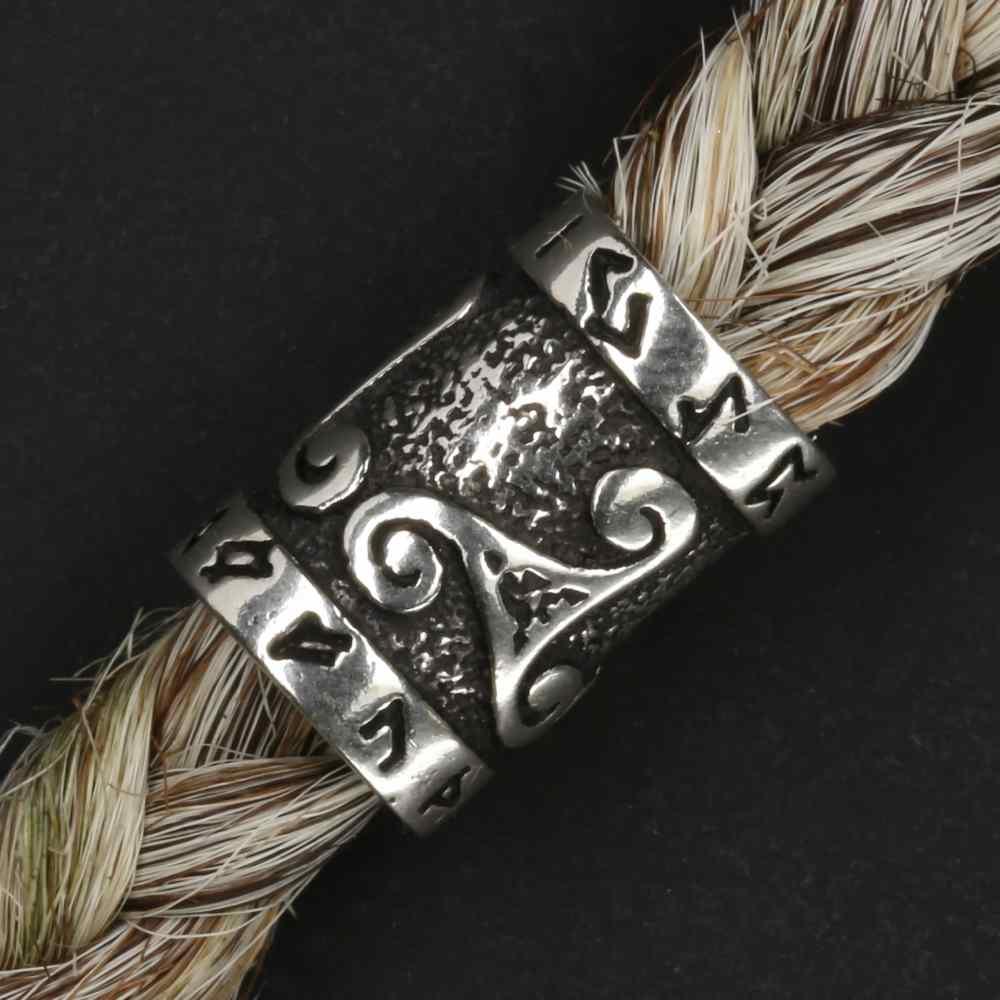
beard beads
Viking jewelry for beards and braids
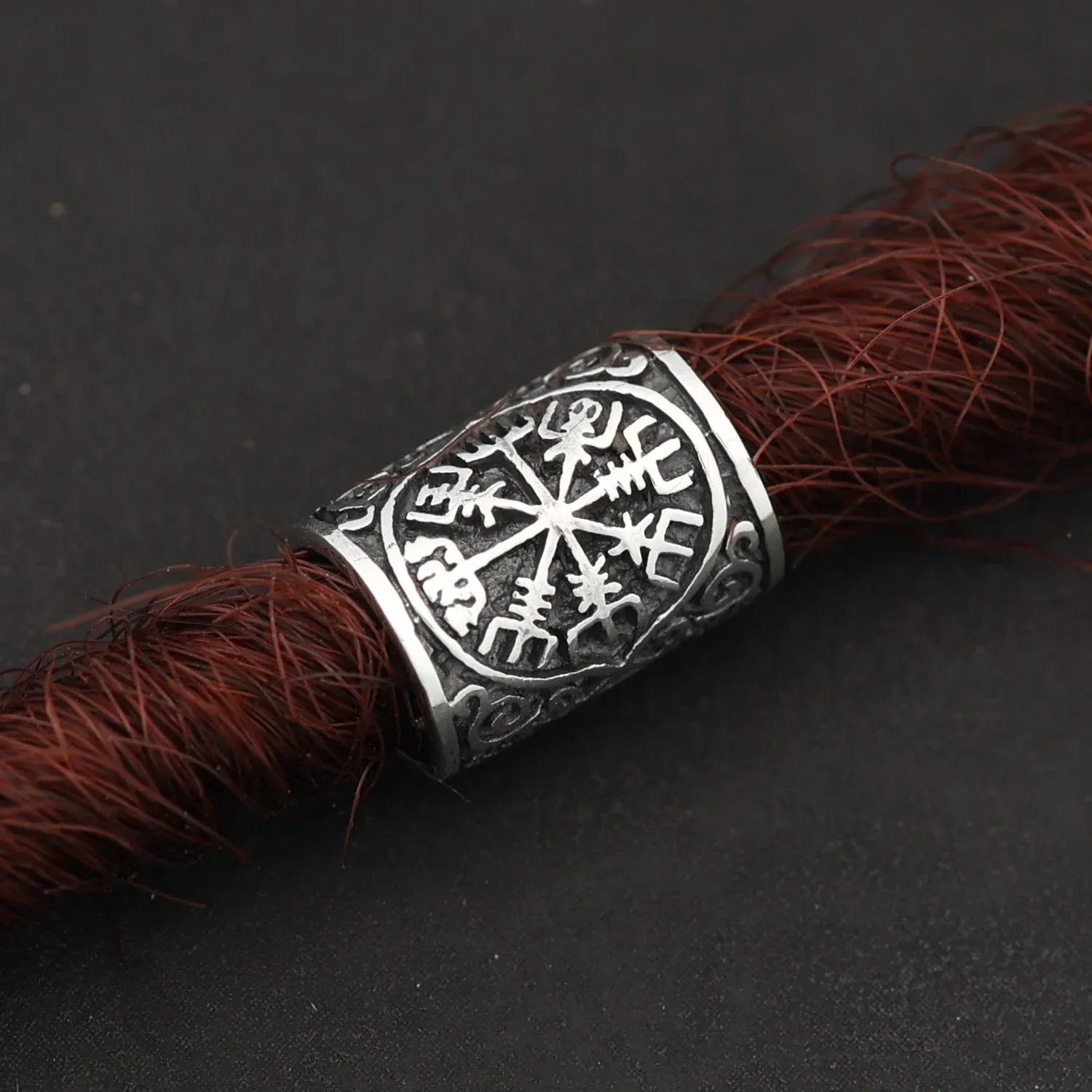
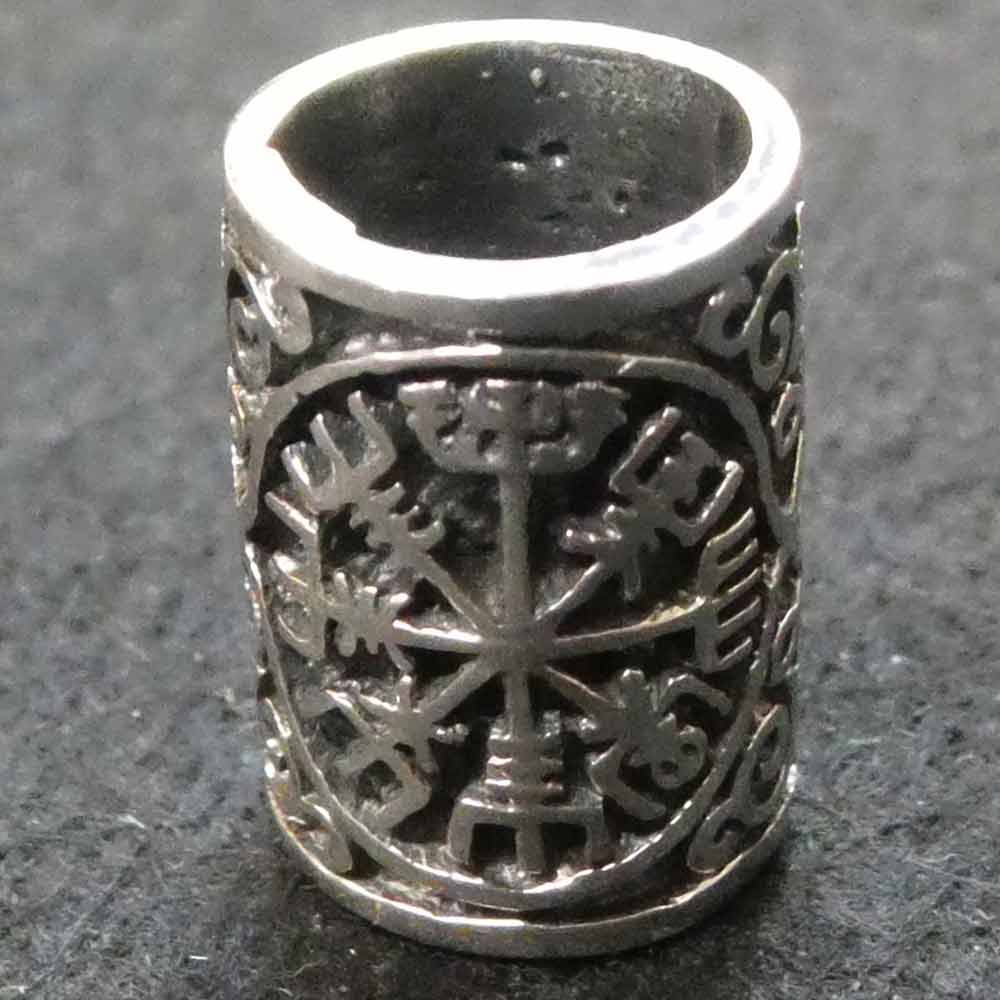
The Vikings were true masters of hair braiding, and they also adorned their beards with beard beads, such as those made of bronze or sterling silver. Beard jewelry features typical Viking motifs: various Celtic knots, Thor's hammer, the Tree of Life, runes, and many more.
Jewelry for beards is still very much in vogue. At Drachensilber you'll find a wide selection of trendy Viking jewelry.
Viking jewelry - popular motifs
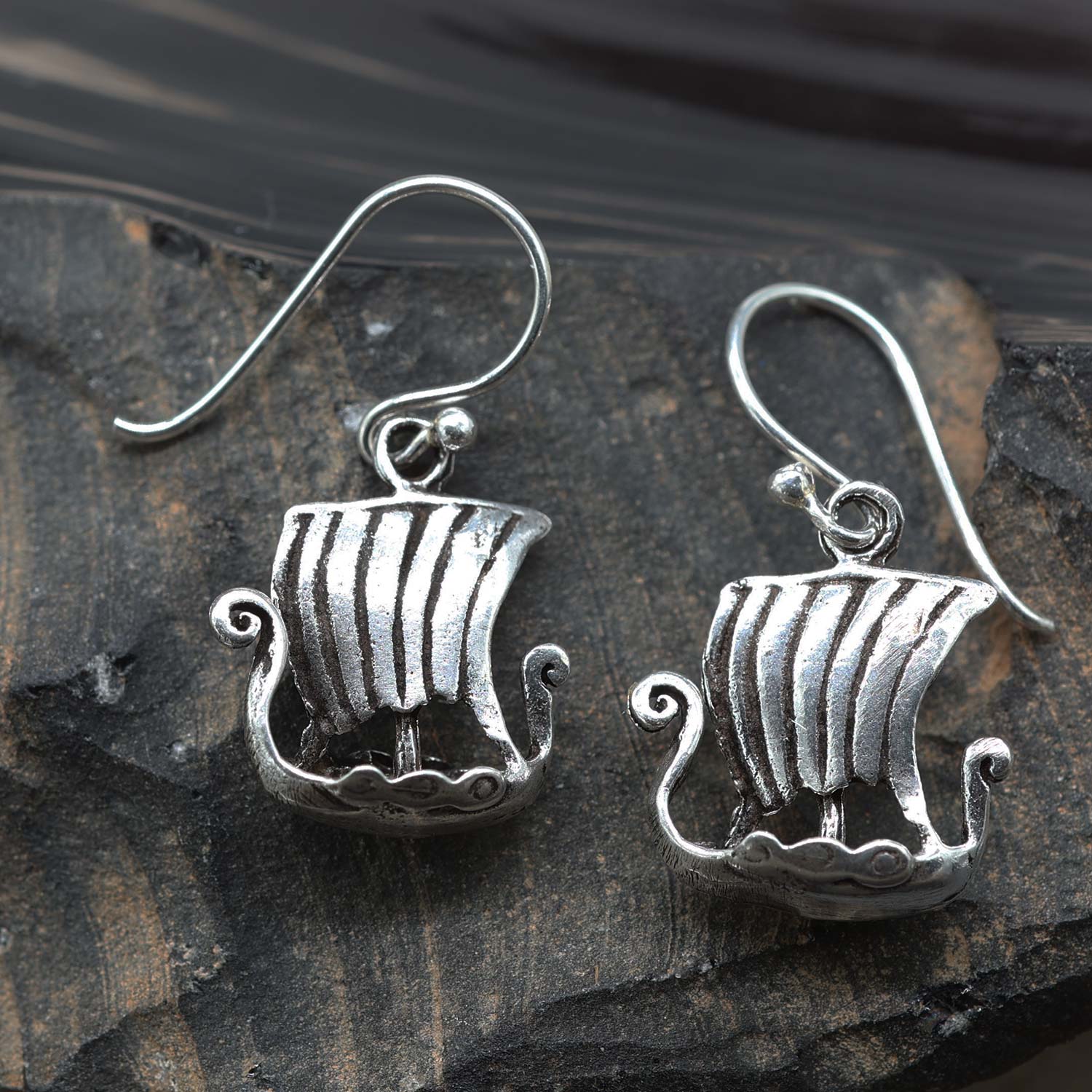
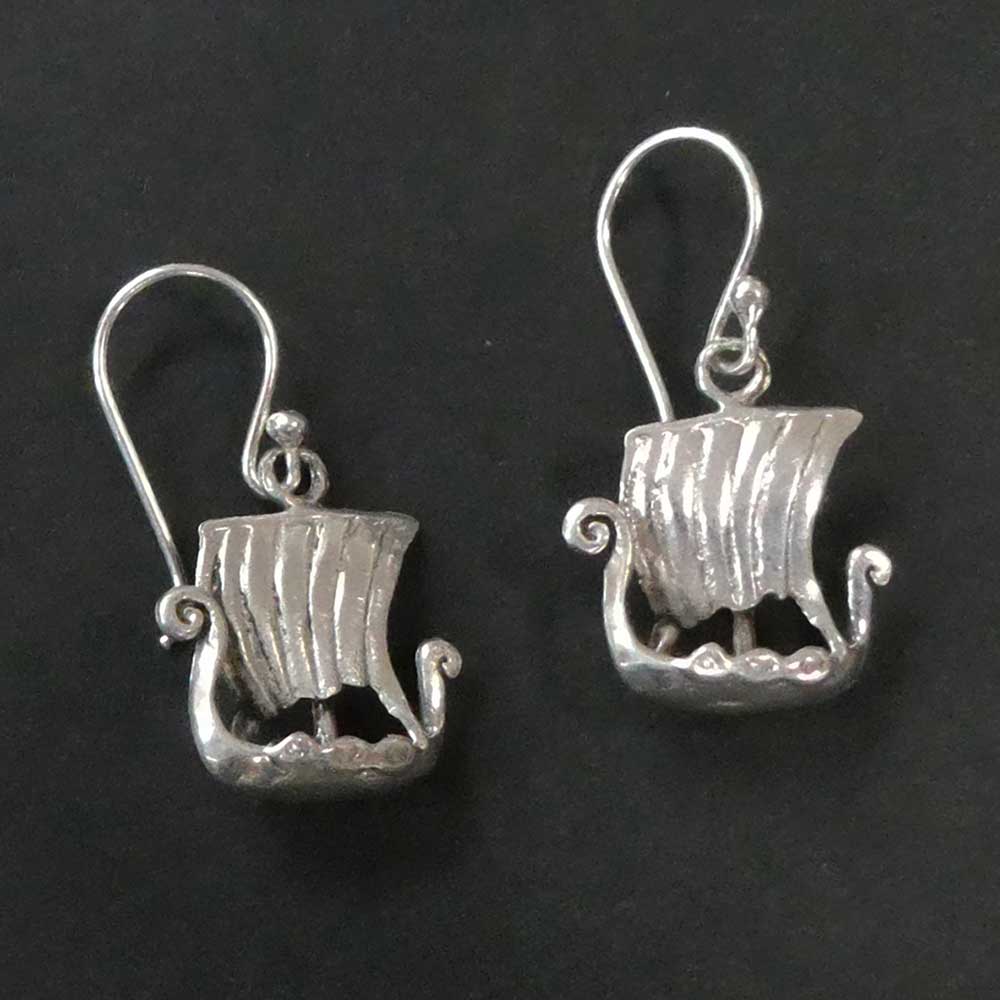
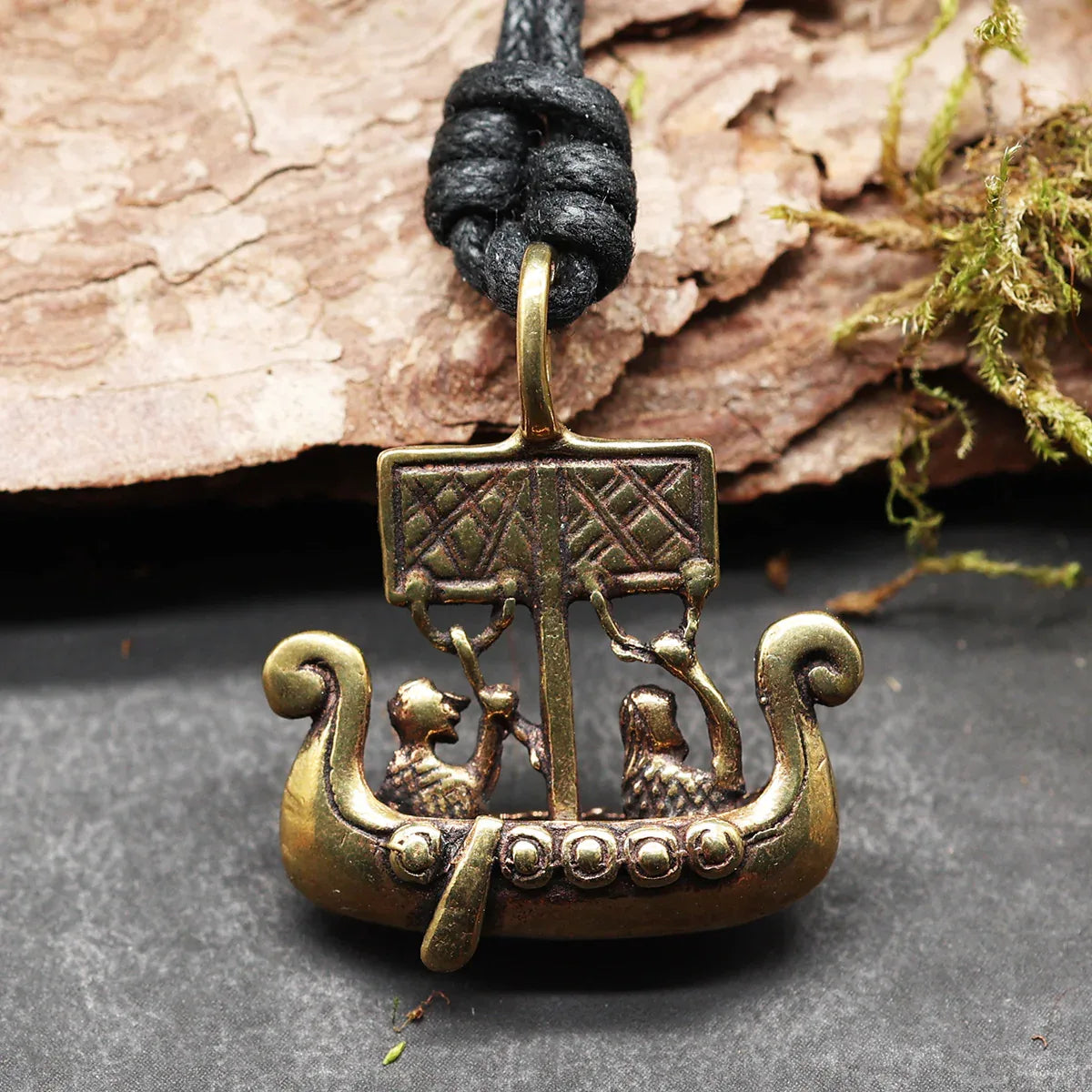
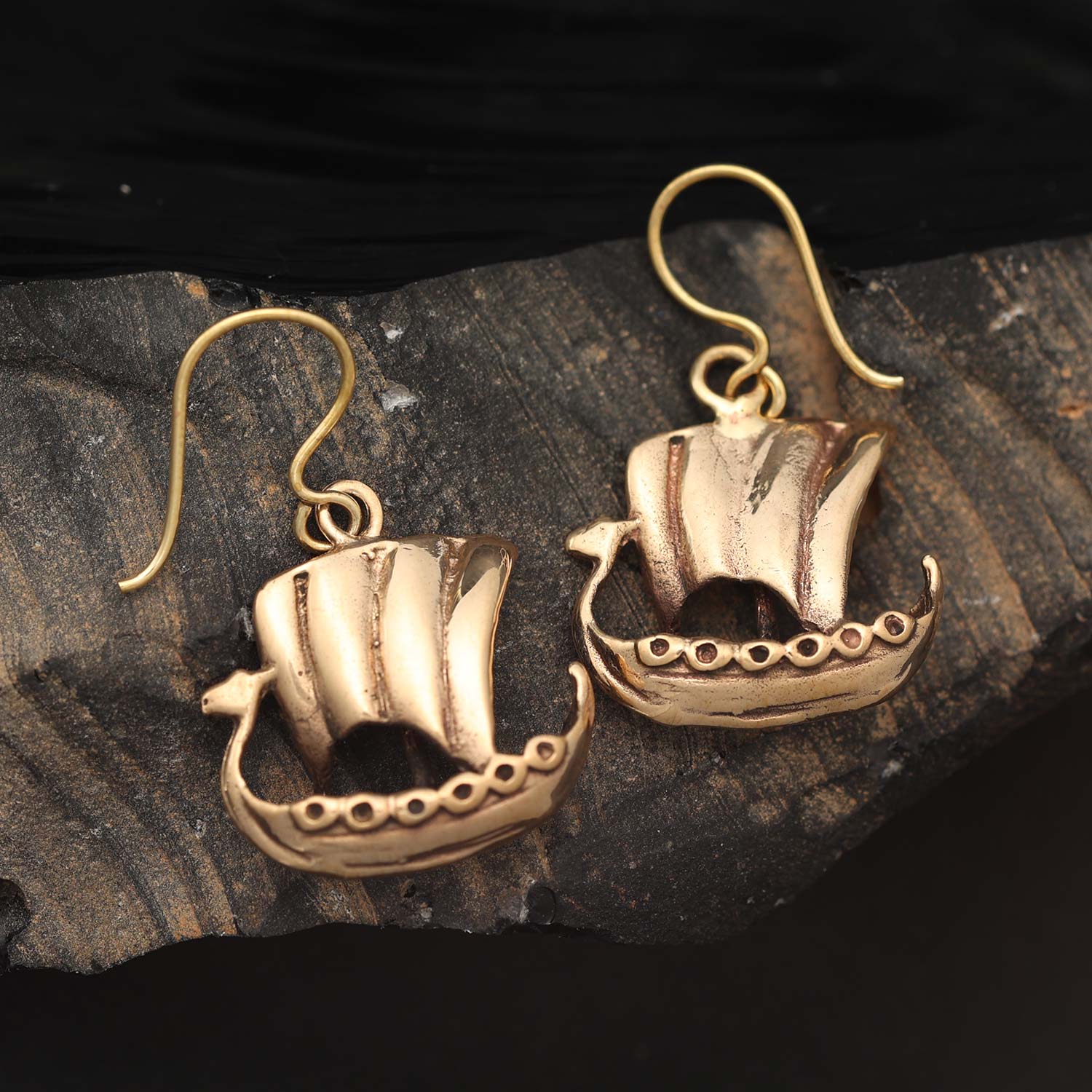
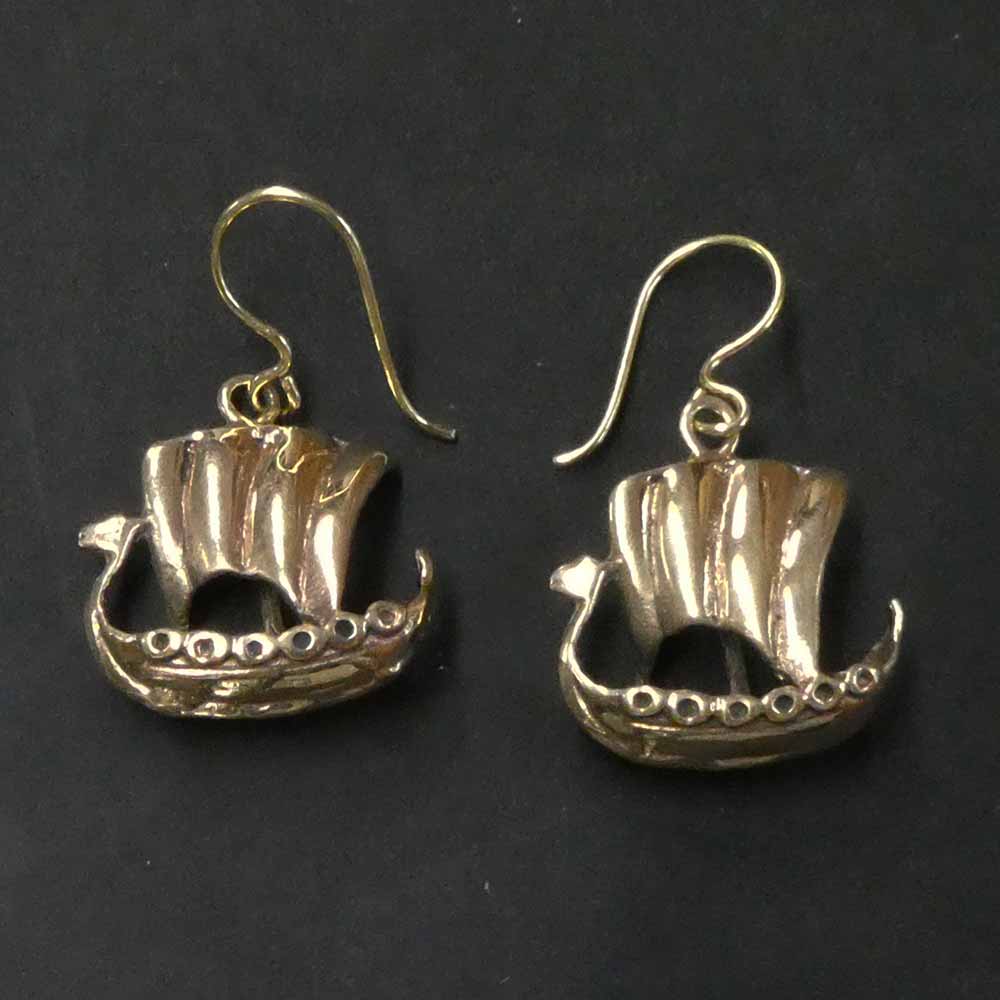
Viking boats are a classic and very popular item in Viking jewelry. They are often combined with runes from the Elder Futhark.
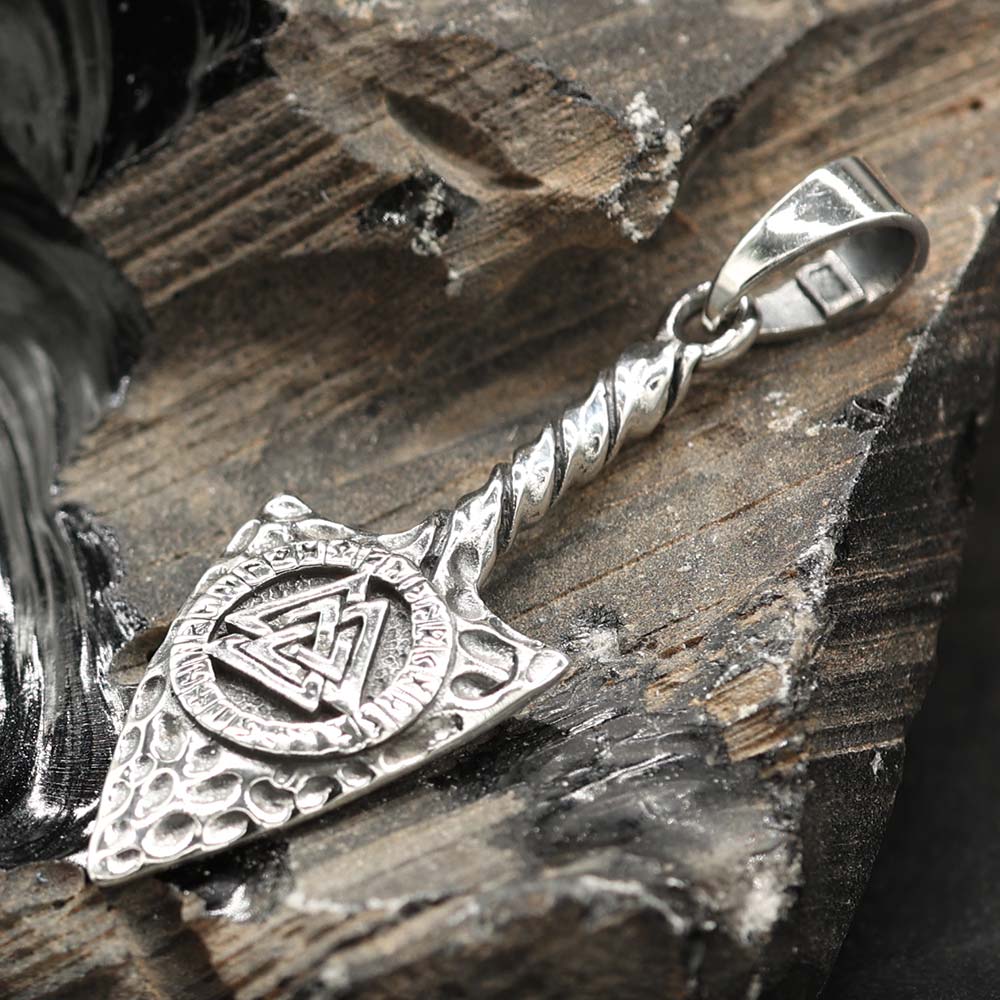
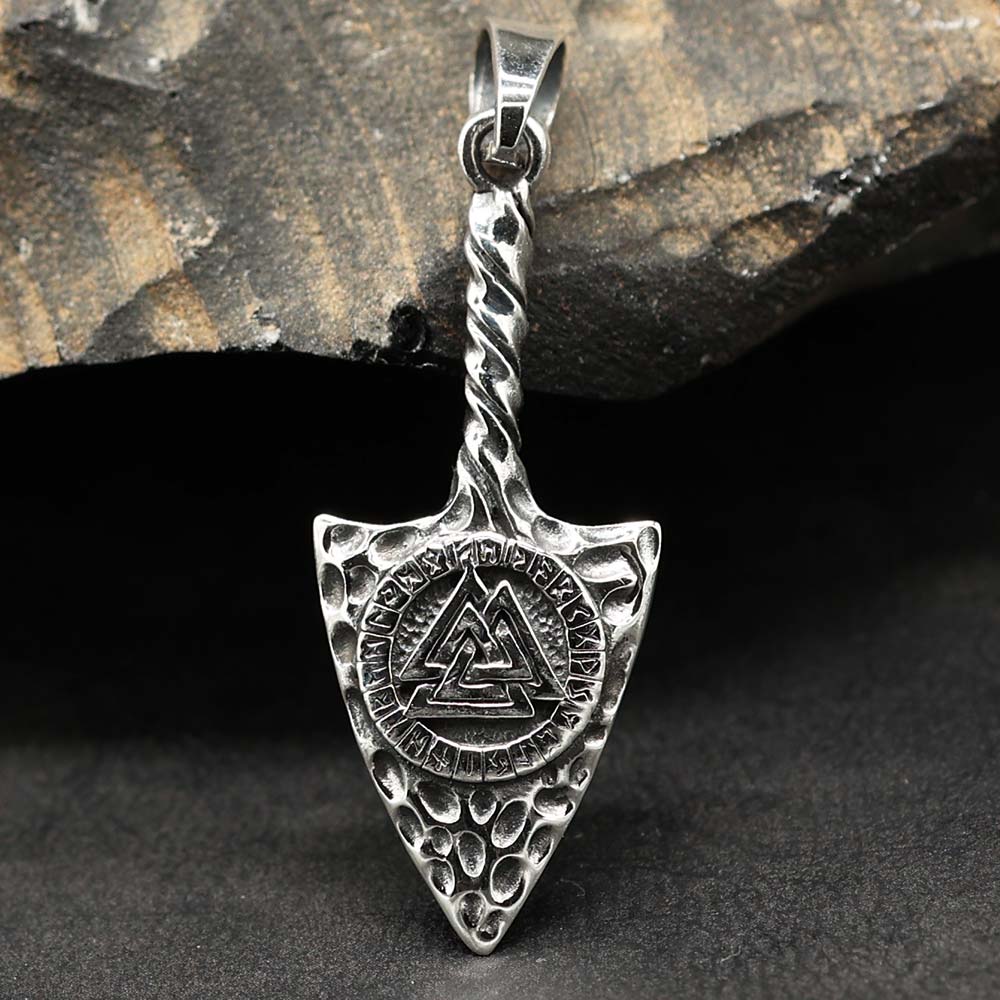
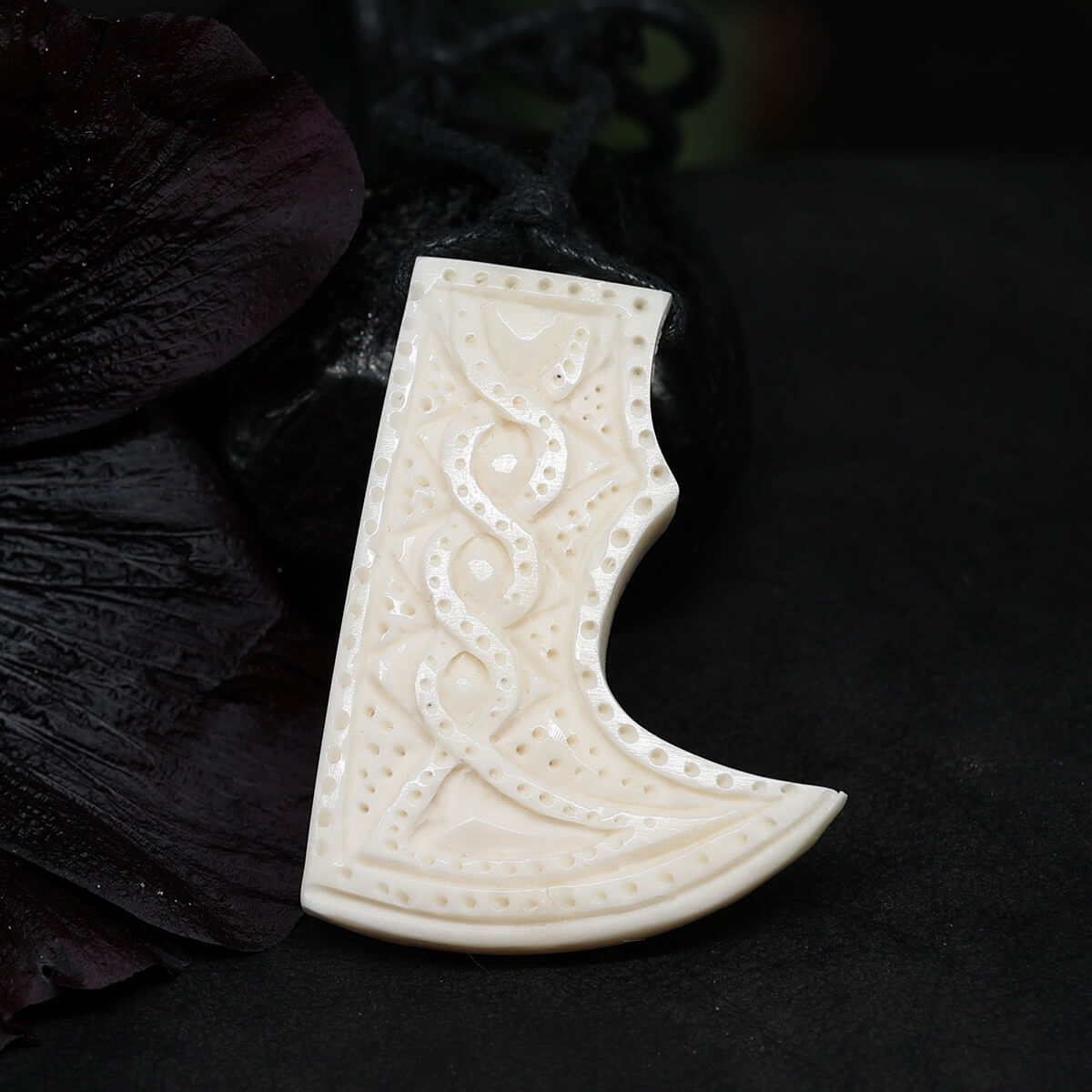
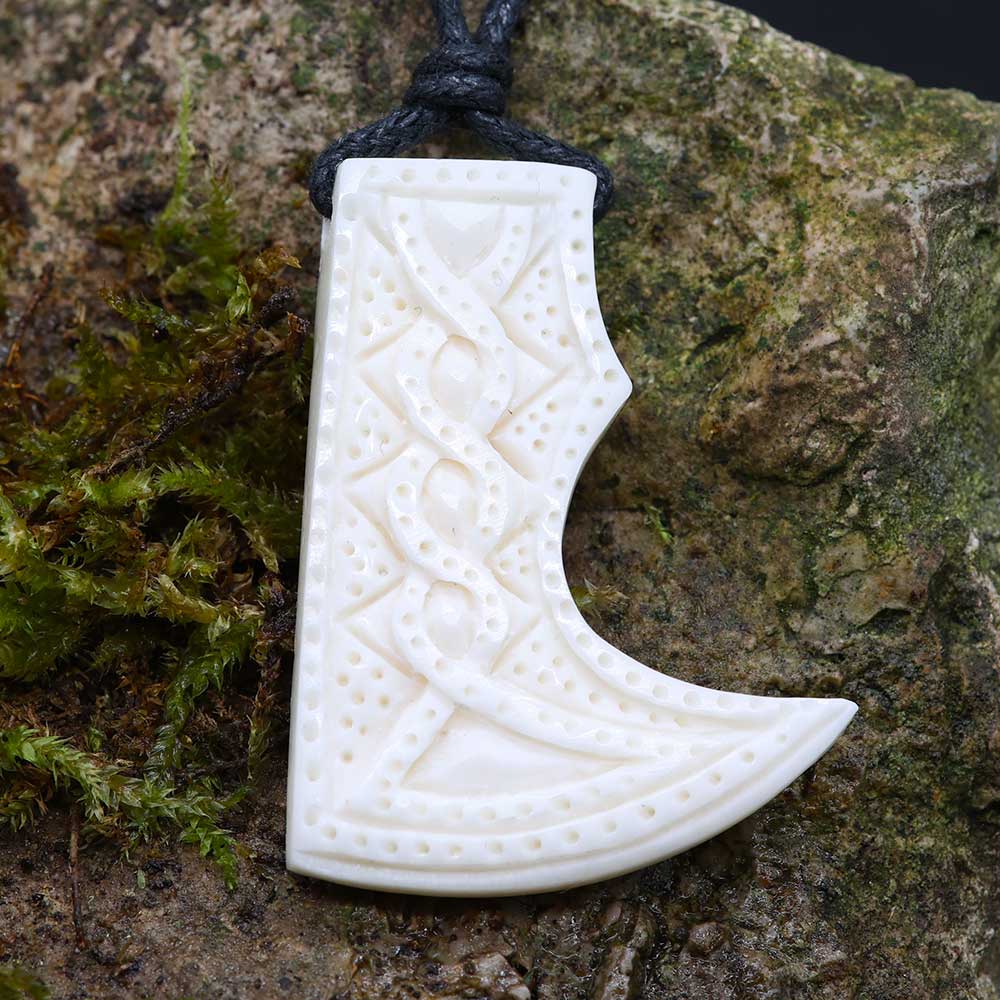
Viking and Celtic jewelry is made from many different materials. Impressive motifs featuring axes, longships, triskelions, or trees of life were used in jewelry design; pendants were especially popular. Viking jewelry remains very popular even today.


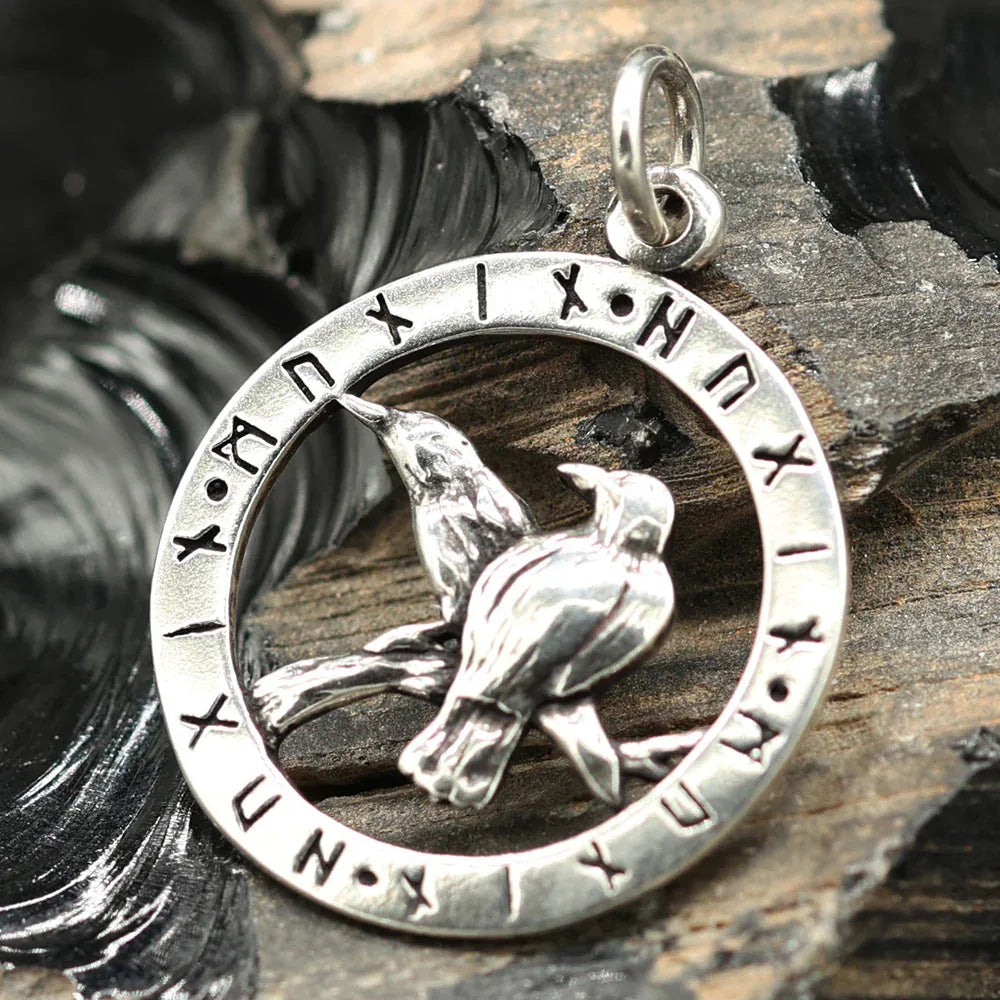
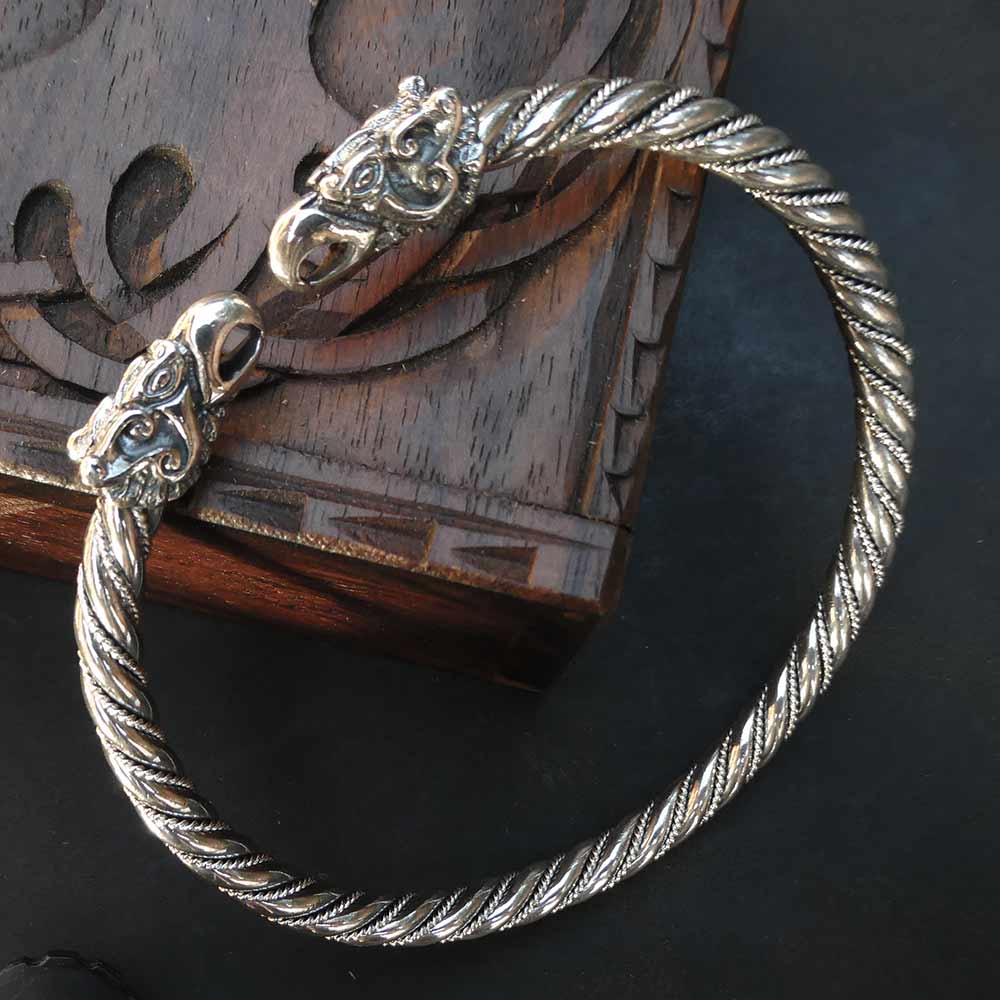
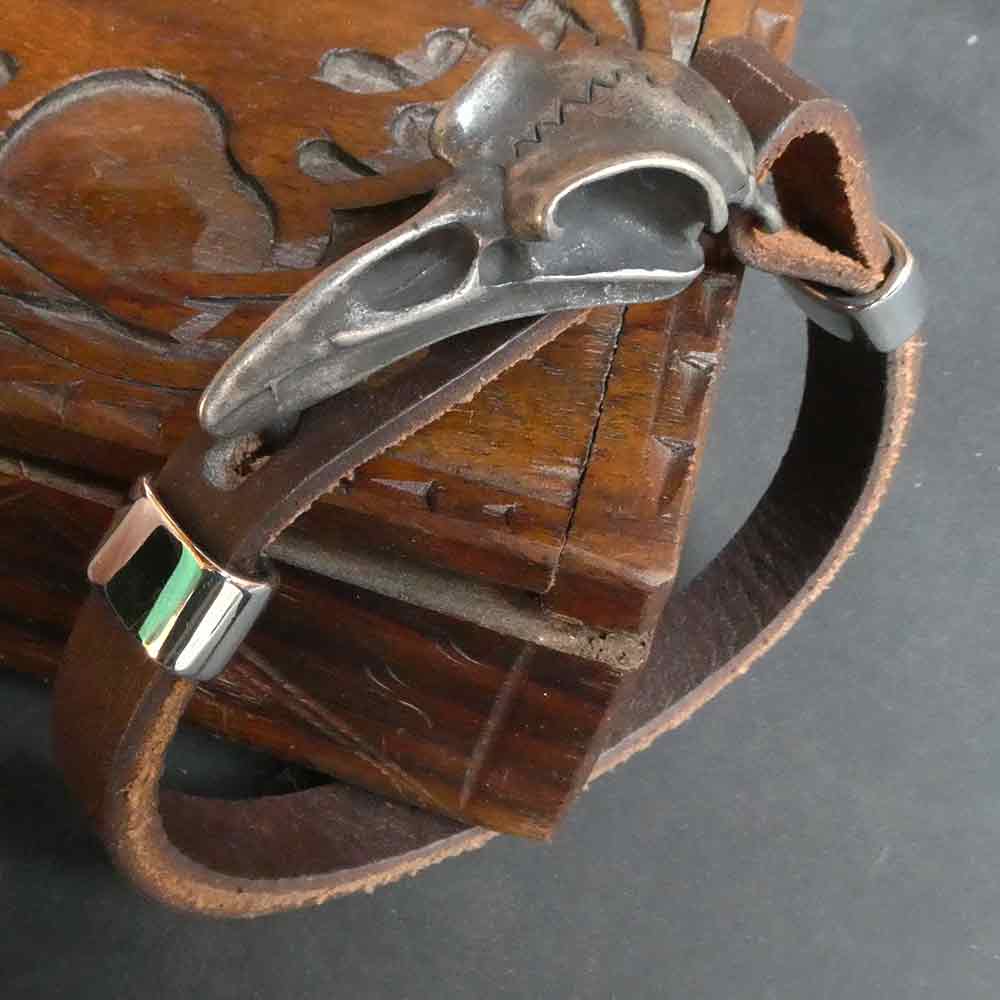
Odin's Ravens
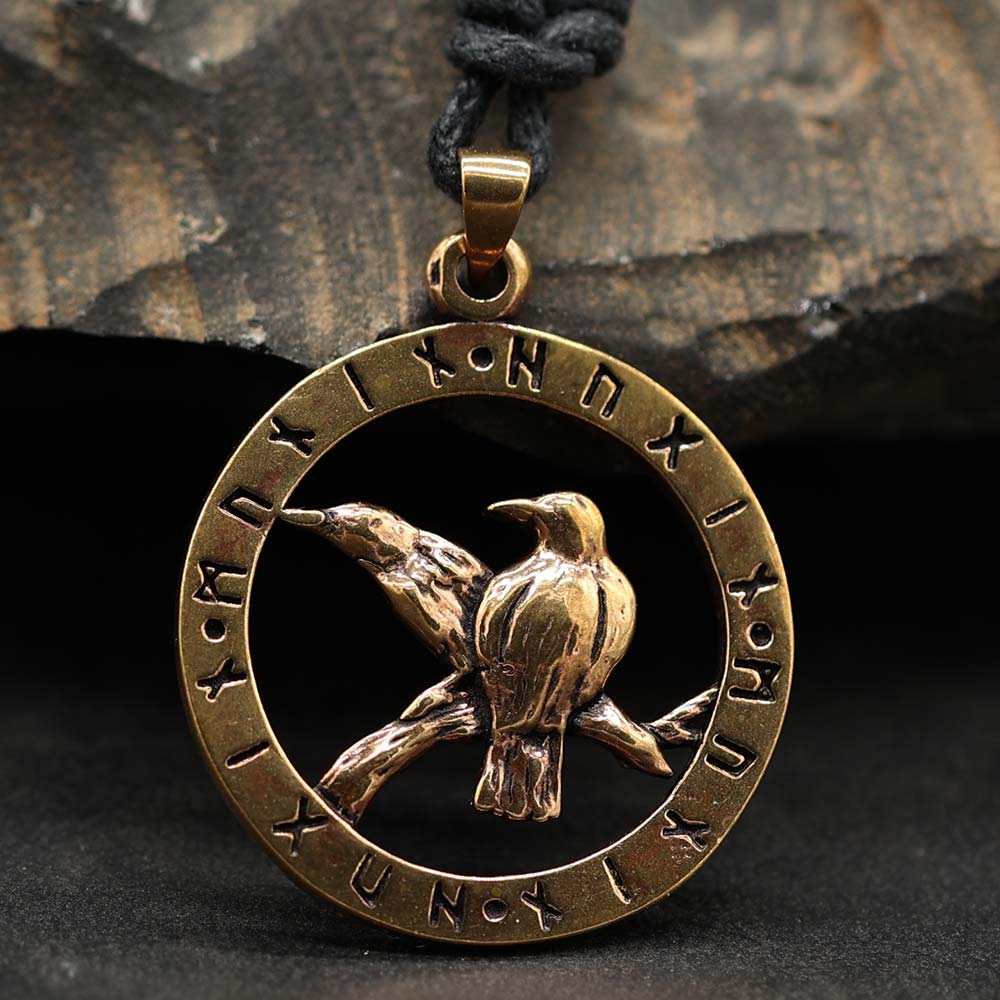
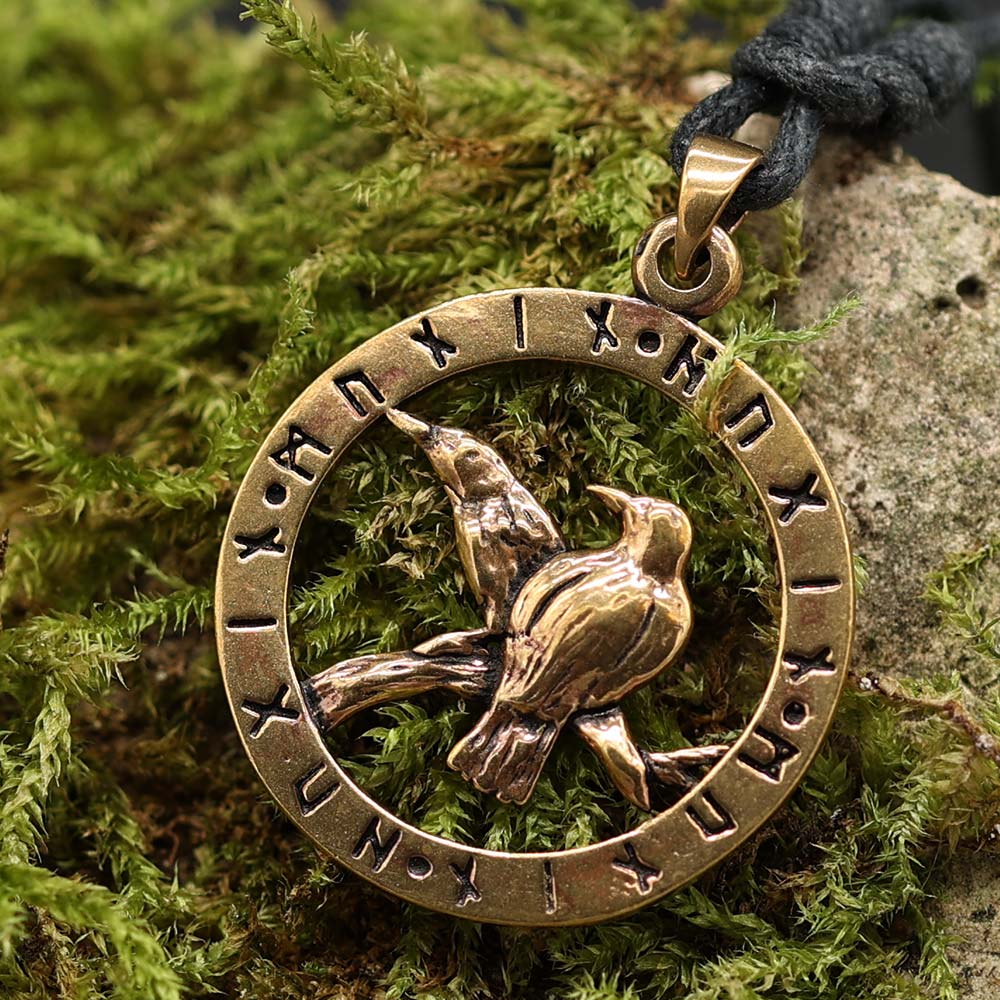
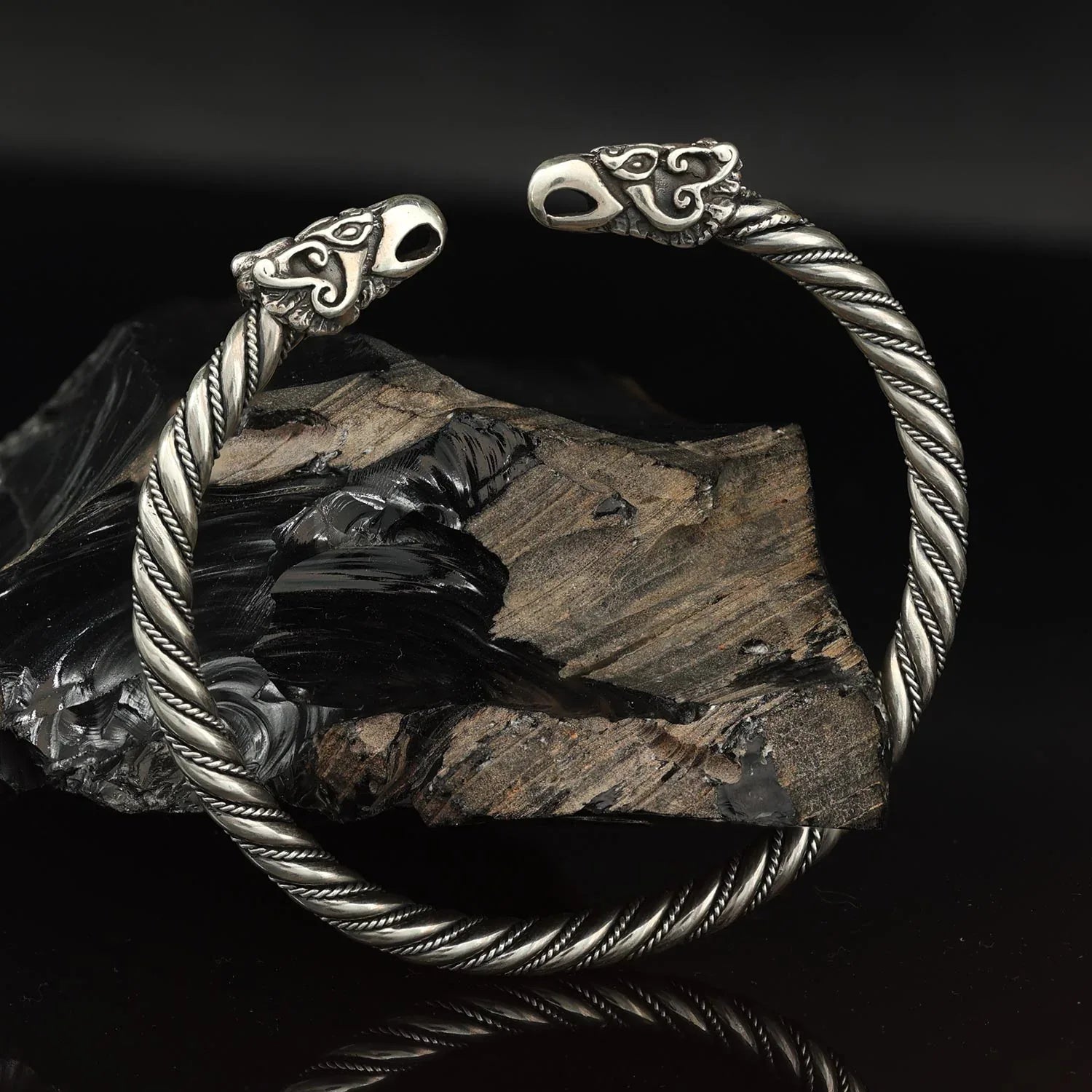
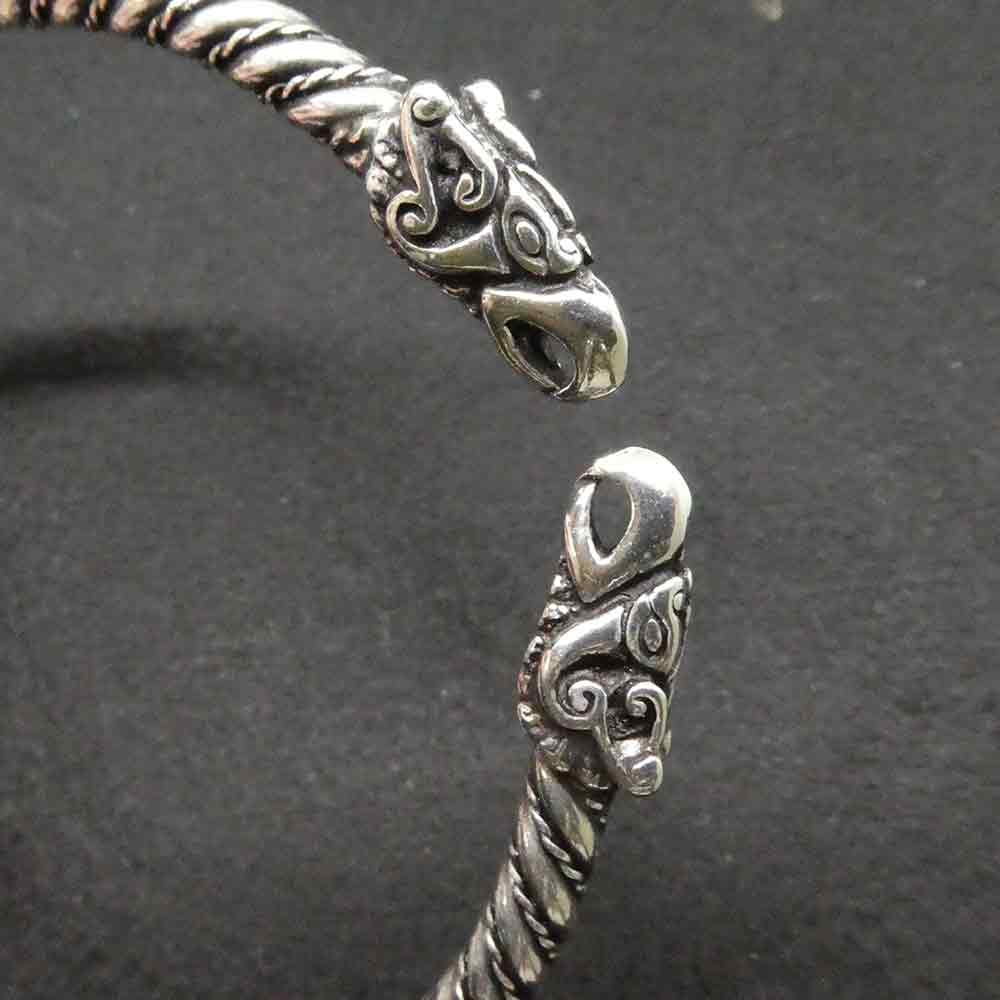
Odin, the Allfather, is distinguished by his universal wisdom. His two ravens, Huginn and Muninn, sit on his shoulders and report to him everything they have seen on their flights. The names of the two ravens roughly translate to "Thought and Memory."
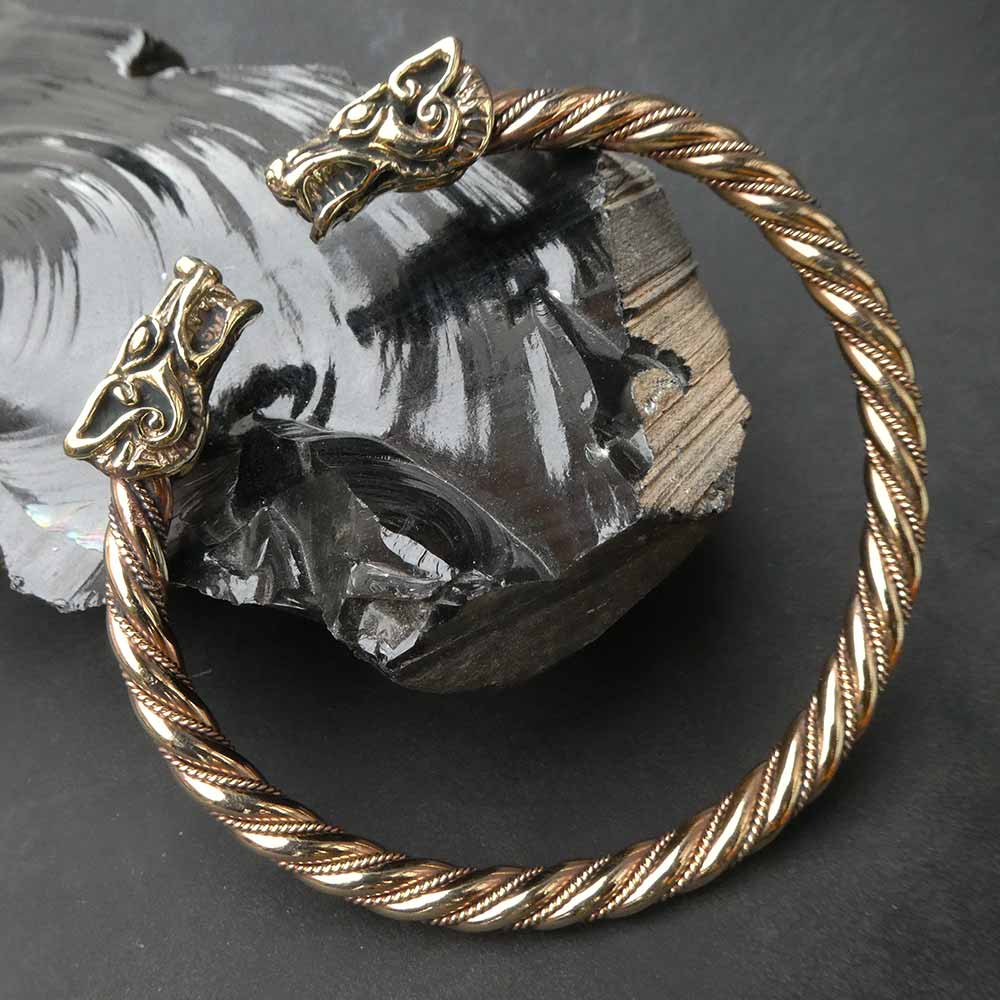
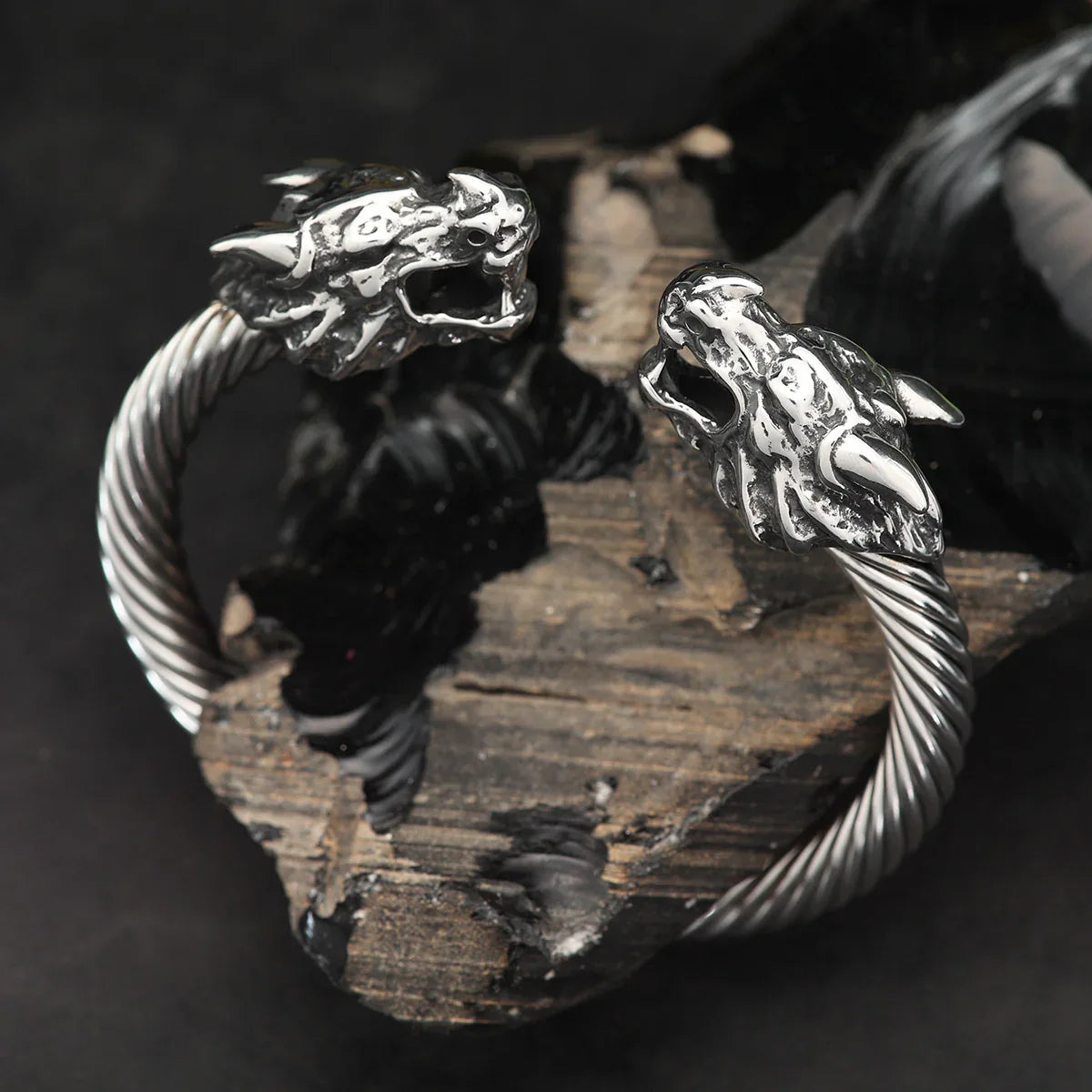
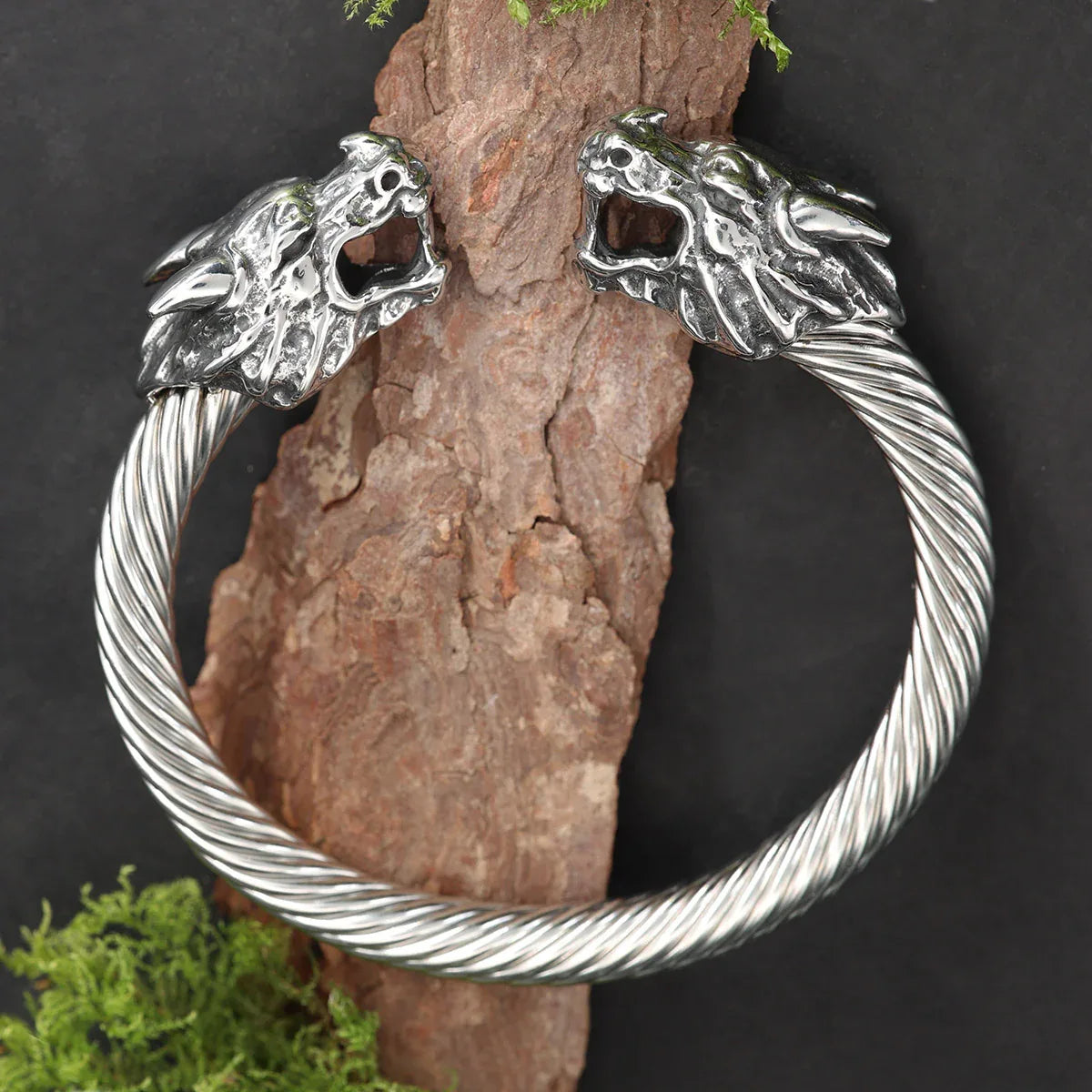
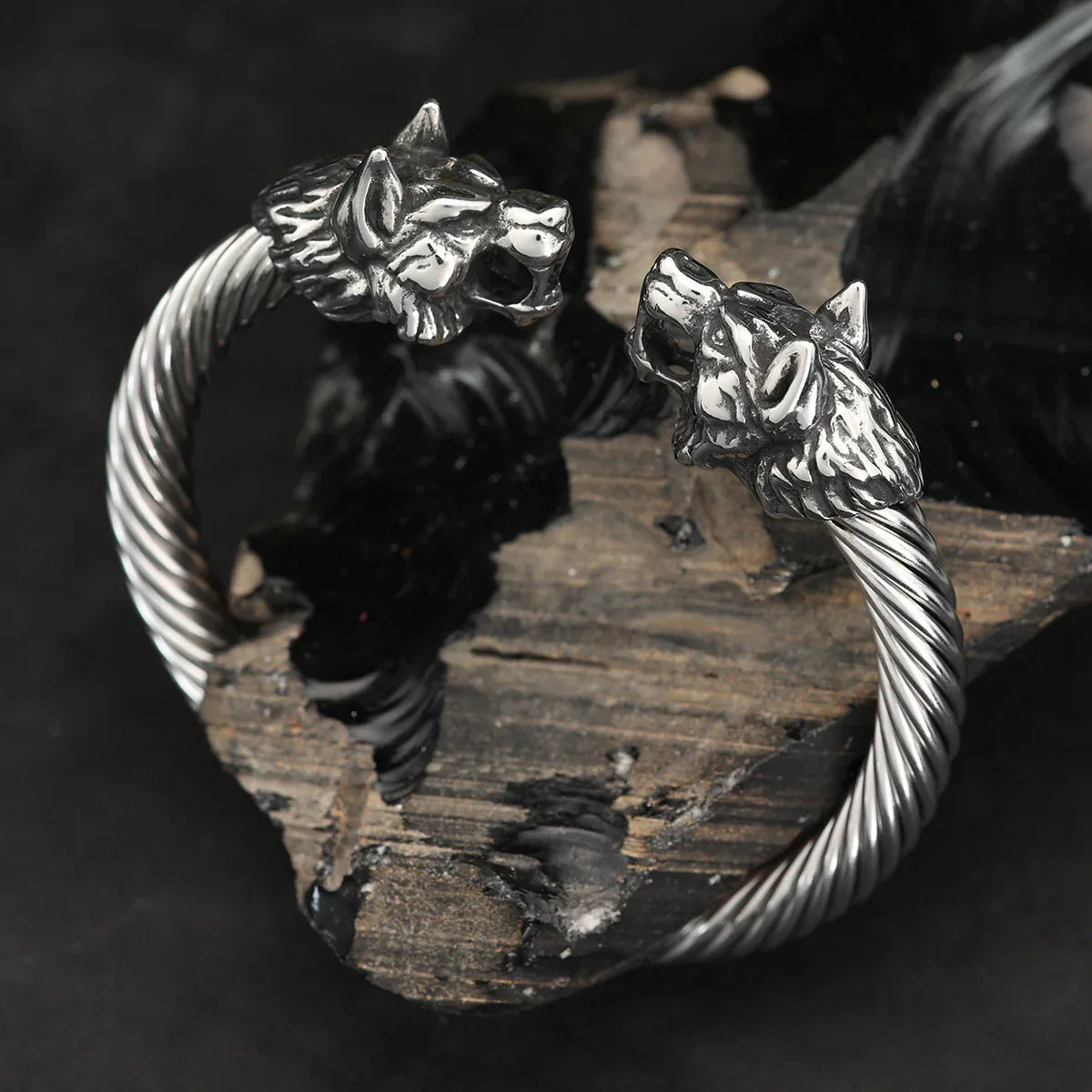
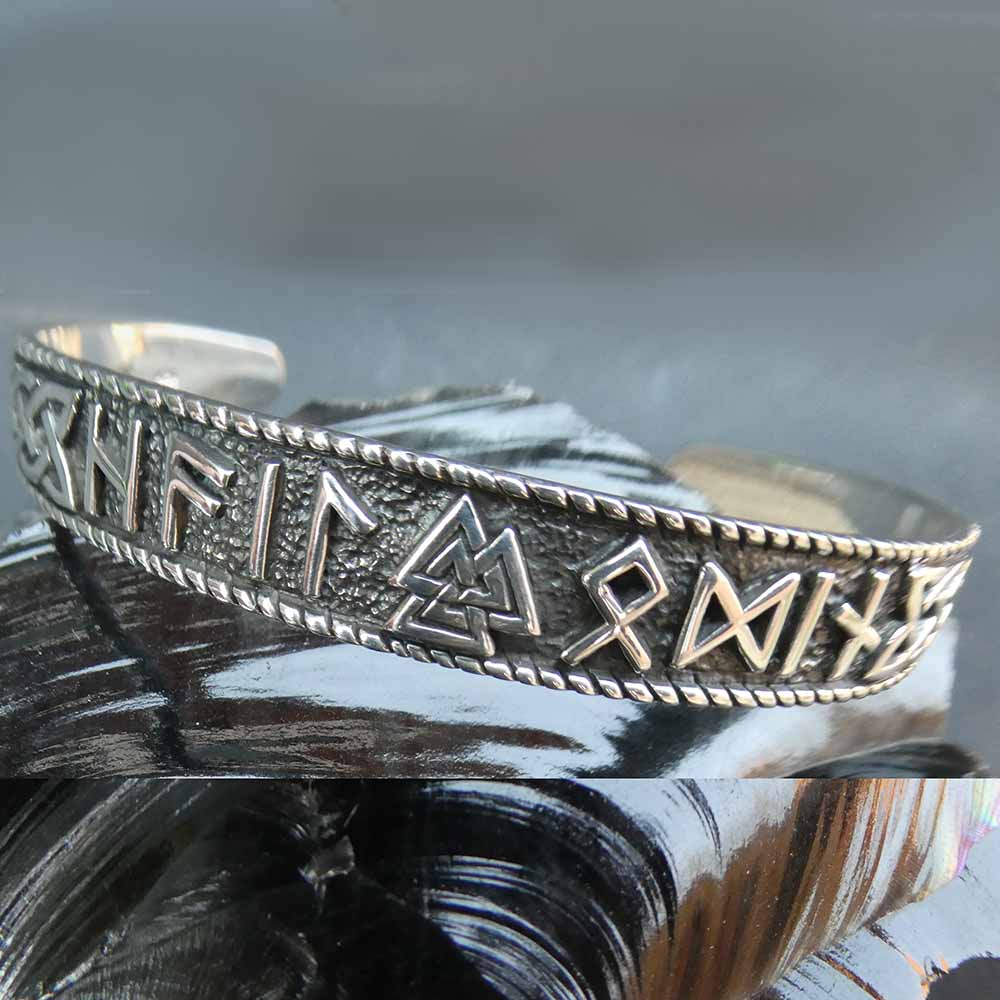
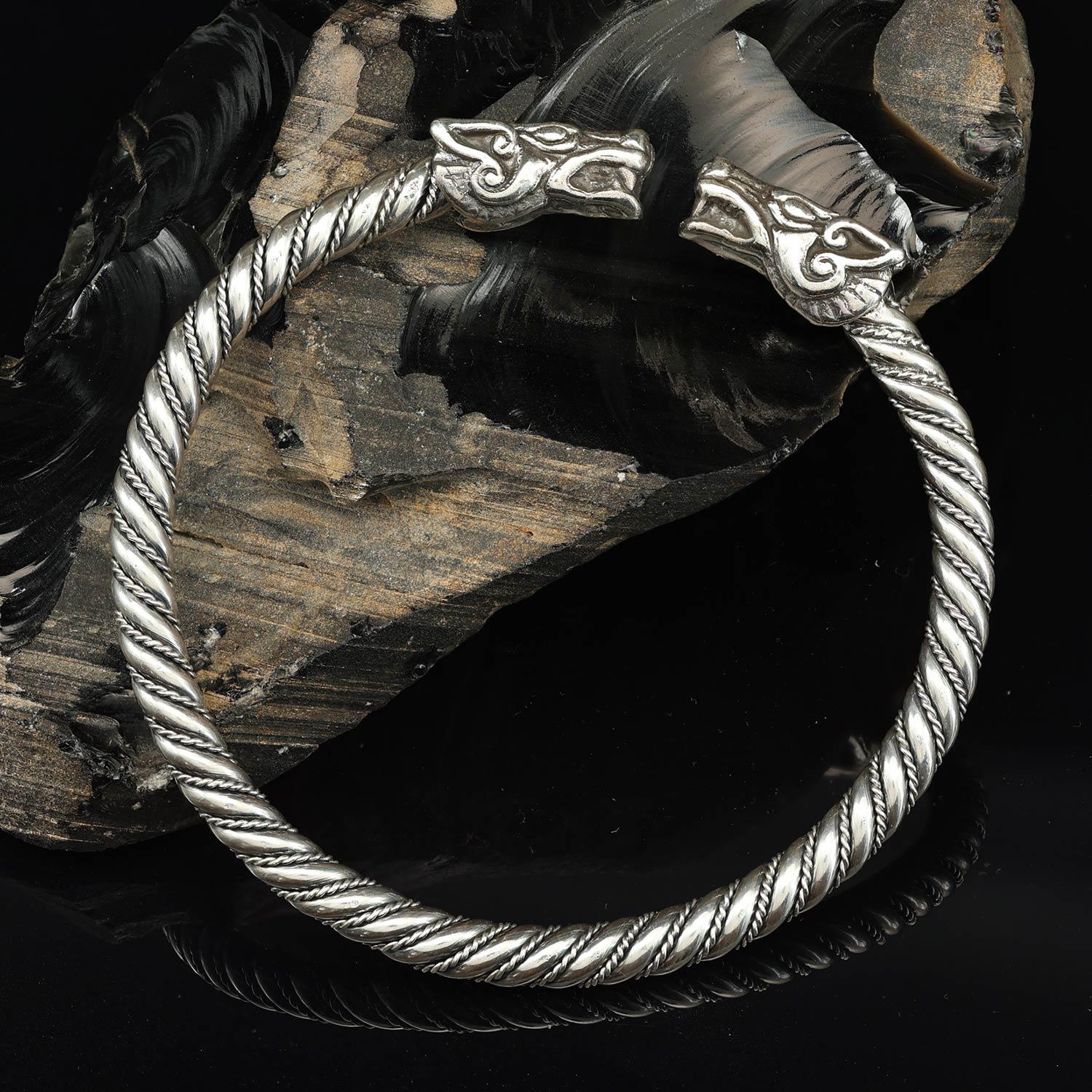
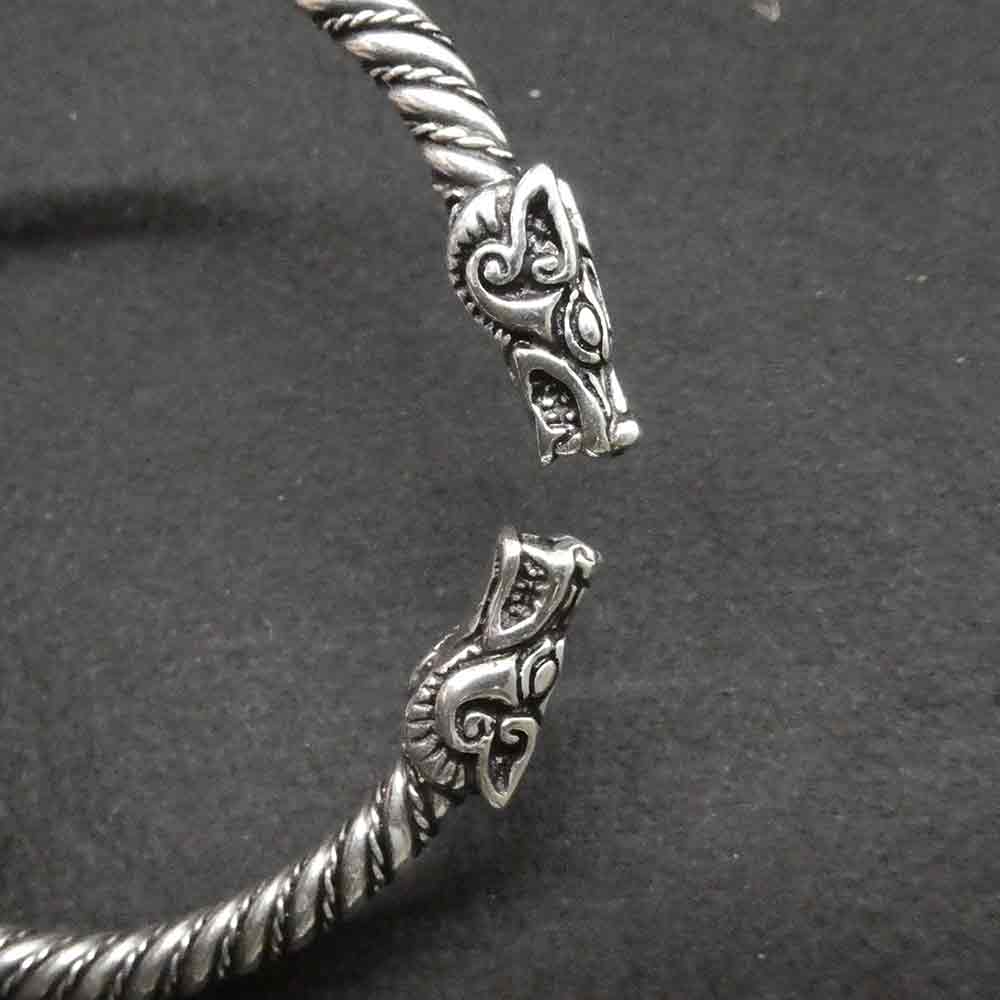
Hugin and Munin look at each other and watch over the beautiful bronze bracelet.
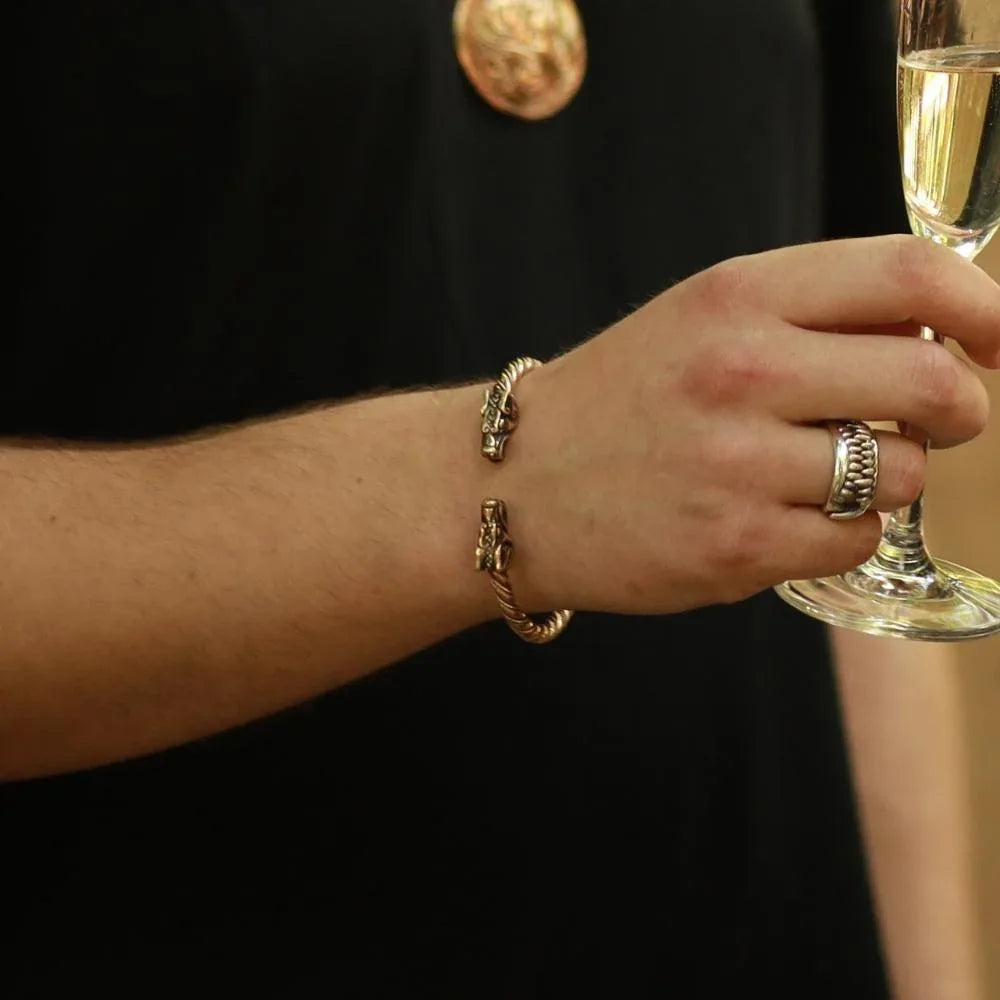
In addition, there is the delicate arm ornament version, for Viking women, decorated with dragon heads.
Vikings - The Hordes from the North
For centuries, Vikings have been portrayed as fierce barbarians and merciless warriors. However, they not only valued a well-groomed appearance, but are also legendary as shipbuilders and seafarers, as blacksmiths and artisans, as farmers and outstanding traders. Their superb weapons and unusual Viking jewelry were highly sought after as trade goods as far away as the Orient.
The eighth century marked the beginning of the Viking Age's golden age. Advances in agriculture led to increased crop yields, and the Viking population grew rapidly. They then set out to cultivate new land and, between harvests, to acquire food, riches, and fame through raids.
The Vikings once worshipped gods like Thor, Odin, and Freya. It was only through torture and armed force that these pagans became Christians during the Christianization process. But even today, their pagan customs can be found within Christianity, for example, the harvest festival and the Yule festival. Christian holidays like Easter and Christmas were often placed on the dates of pagan festivals.
